 Join on WhatsApp
 Join on Telegram
Marrakech – Computer memory prices are climbing faster than gold, creating a global crisis that threatens to make technology significantly more expensive for consumers. DRAM prices have skyrocketed by 171.8% over the past year, with a 64GB DDR5 memory kit now costing over $500 – more than a PlayStation 5 console.
The shortage stems from artificial intelligence companies consuming massive amounts of memory chips for data centers. Three manufacturers – Samsung, SK Hynix, and Micron – control approximately 70% of global DRAM production, creating an oligopoly that can dictate prices during shortages.
Samsung raised memory chip prices by 60% between September and November. A 32GB DDR5 module jumped from $149 to $239 in just two months. Prices for 16GB modules increased 50% to $135, while 128GB modules now cost $1,194.
The crisis affects all memory types simultaneously. For the first time in three decades, DRAM, NAND flash storage, and hard drives face shortages together. Memory manufacturer Adata confirmed this unprecedented “perfect storm” across all storage categories.
Nvidia CEO Jensen Huang explained the demand surge. “This year, particularly the last six months, demand of computing has gone up substantially,” he said. “The AIs are smart enough that everybody wants to use it.”
AI spending is expected to reach $2 trillion by 2026, with infrastructure investment potentially hitting $3-4 trillion by 2030. Memory manufacturers have allocated three times more production capacity to specialized AI chips than conventional consumer memory.
The shortage has created bizarre retail conditions. Stores are now selling RAM like lobster at seafood restaurants, with daily market pricing replacing fixed costs similar to commodities trading.
“Costs are fluctuating daily as manufacturers and distributors adjust to limited supply and high demand,” reads a notice at Central Computers. Micro Center posts similar warnings asking customers to consult staff for current prices due to market volatility.
The situation has become so extreme that owning high-capacity RAM in 2025 has become a status symbol. Technology enthusiasts joke about RAM being more valuable than precious metals, with some describing 64GB kits as luxury items comparable to expensive jewelry.
The crisis will persist until 2028
Gaming hardware faces significant price increases. Epic Games CEO Tim Sweeney warned that rising memory prices will create “a real problem for high-end gaming for several years.” He noted that “factories are diverting leading-edge DRAM capacity to meet AI needs where data centers are bidding far higher than consumer device makers.”
Graphics card manufacturers Nvidia and AMD are preparing price increases due to memory shortages affecting video memory chips. Console makers are responding differently to the crisis. Microsoft may raise Xbox prices again after increases in May. Sony has reportedly stockpiled memory supplies to maintain PlayStation 5 pricing temporarily.
Valve cited memory costs as preventing specific pricing for its upcoming Steam Machine console. Smartphone and laptop manufacturers are revising product specifications. Some companies have postponed projects due to rising component costs.
The crisis extends beyond gaming. CyberPowerPC announced price increases for all computer systems starting December 7. Framework laptop manufacturer delisted standalone memory modules to prevent scalping and preserve inventory.
One consumer example illustrates the rapid escalation. Someone purchased 32GB of memory three months ago for $130, but the identical kit now costs $440 – more than triple the original price. A 64GB DDR5 kit can easily cost $700 to $900.
Industry analysts predict the crisis will persist until 2028. Memory shortages are expected to worsen through the first half of 2026 before new production facilities come online. Micron plans to invest $10 billion in a new DRAM facility, but production will not begin until 2028.
Two scenarios could end the crisis. First, massive investments in new production facilities could increase supply by 2028. Second, an AI market correction could reduce demand and crash prices rapidly.
Supply contracts between manufacturers and major buyers extend for four years, suggesting sustained high prices. The memory crisis represents a fundamental shift in chip production priorities.
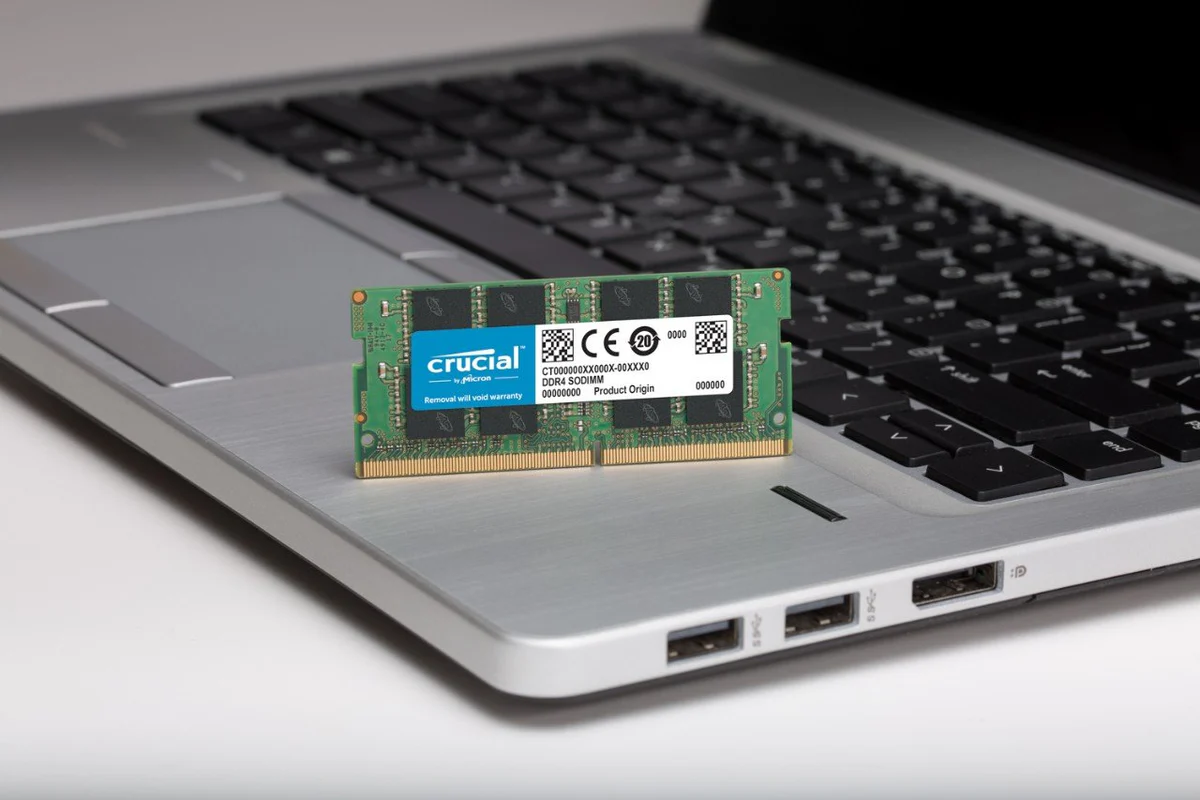
Manufacturers are abandoning consumer markets for more profitable AI customers. Micron recently exited consumer memory through its Crucial brand to focus entirely on AI applications.
Unless the AI boom collapses or new production capacity emerges faster than expected, consumers will face years of elevated technology prices. The crisis marks the end of affordable memory upgrades that characterized previous decades of computing.