


 Join on WhatsApp
  Join on Telegram
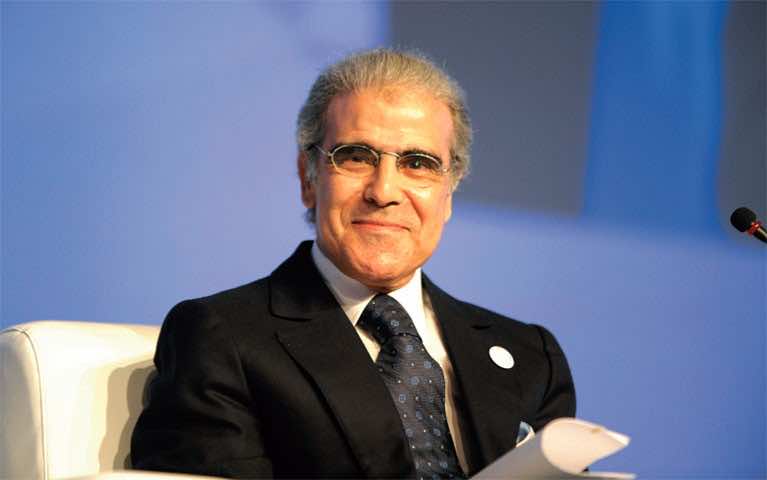
 Rabat – Bank Al-Maghrib (BAM) plans to launch a pilot phase of inflation targeting in 2026 as part of a gradual and cautious transition toward a more flexible exchange rate regime, the central bank’s governor Abdellatif Jouahri said on Tuesday in Rabat.
Speaking at a press briefing following the fourth and final quarterly meeting of BAM’s Board for 2025, Jouahri explained that the initial phase of exchange rate flexibilization, linked to further liberalization, will be followed by the introduction of inflation targeting.
2026 will serve as a testing period for this framework, with technical support from the International Monetary Fund, the World Bank, and partner central banks that have already adopted inflation targeting.
According to Jouahri, the effective implementation of inflation targeting will begin progressively from 2027.
He underlined the importance of ensuring that economic operators fully understand the implications of the exchange rate transition, which will unfold step by step and include an intermediate phase.
On the frequency of BAM Board meetings under the future inflation-targeting framework, Jouahri noted that the 2019 legal texts initially envisioned more frequent meetings than the current four quarterly sessions.
However, he said the limited availability of up-to-date statistical data at shorter intervals does not currently allow for an increase in the number of meetings.
In this regard, Jouahri said the priority lies in strengthening and improving national statistics, making them more reliable, more detailed, and more consistently available over time.
Until these conditions are met, the central bank will continue to rely on quarterly Board meetings, with the option of holding extraordinary sessions when necessary. He did not rule out changes to the meeting schedule in the future once circumstances allow.
Inflation targeting is a monetary policy framework in which a central bank publicly sets an explicit inflation target and commits to achieving it over the medium term as the primary objective of its monetary policy.
In recent years, Morocco has faced persistent inflationary pressures driven by a combination of global shocks and domestic factors, including higher energy and food prices, supply chain, disruptions, and climate-related constraints on agricultural output.
While inflation has somewhat eased from its earlier peaks, price stability remains a key concern for households and policymakers, particularly as living costs continue to weigh on purchasing power.


