 Join on WhatsApp
 Join on Telegram
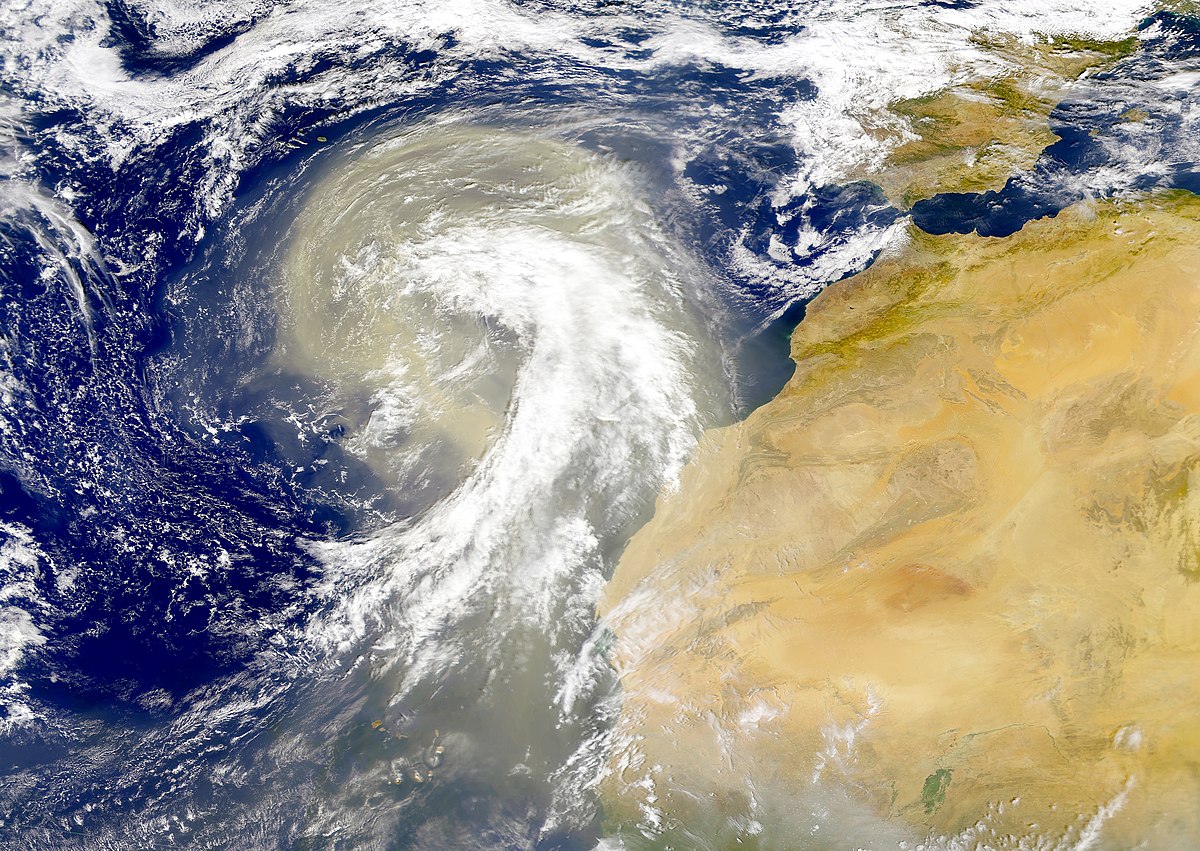
Marrakech – Morocco is preparing for major weather disruptions as Storm Francis – an intense Atlantic depression – moves toward the North African kingdom from Friday through early next week.
The Directorate General of Meteorology (DGM) has issued high-level weather alerts, warning that the system combines a high-altitude cold air intrusion with moisture-laden Atlantic air masses driven by warmer southern ocean currents, creating widespread atmospheric instability.
The storm is also expected to affect other parts of Spain beyond the mainland, including the Canary Islands, where authorities are monitoring the possibility of strong winds, rough seas, and periods of heavy rain as the system advances.
Meteorological services have warned that Atlantic-origin systems like Francis can trigger unstable conditions across island territories, urging heightened caution for maritime activities and coastal areas in the Canaries during the first days of 2026.
In Morocco, forecasters warn of strong to violent winds, with gusts reaching 90 to 100 km/h, particularly across the Atlantic plains, the Atlas Mountains, the Oriental region, and northern Saharan provinces.
Authorities caution that the conditions pose serious risks to transportation, public safety, and critical infrastructure.
Heavy rainfall is set to hit the central Atlantic plains, particularly between Essaouira and Agadir, with the provinces of Agadir Ida-Outanane, Taroudant, and Essaouira expecting between 80 and 120 millimeters of precipitation.
The DGM has placed these areas under red alert due to the intensity of the forecast rainfall.
Snowfall is also expected across the Atlas Mountains at elevations above 1,600 meters, while daytime temperatures will drop sharply in the Atlas, the Southeast, and the Oriental regions. Cold conditions are forecast to persist in mountainous areas throughout the storm period.
The Interior Ministry has issued urgent appeals for maximum public vigilance, warning against unnecessary risk-taking amid the severe weather conditions.
Authorities urge citizens to avoid flooded roads, wadis, and low-lying areas vulnerable to sudden flash floods, stressing the imminent danger posed by rising waters.
Officials have strongly advised postponing non-essential travel, particularly to regions directly affected by the disturbances, and called on the public to strictly follow instructions issued by local authorities and emergency services to ensure collective safety.
Local authorities have activated comprehensive preventive action plans, coordinating closely with relevant services to carry out anticipatory measures such as maintaining drainage networks, clearing water channels, and securing flood-prone black spots where water typically accumulates.
Emergency response systems have been placed on maximum alert, with human and logistical resources mobilized to guarantee rapid intervention, assistance, and support should conditions deteriorate further.
As a precaution, the Provincial Directorates of Education in Essaouira and Agadir Ida-Outanane have suspended classes on Friday and Saturday across all educational institutions due to adverse weather conditions.
Weather disturbances are expected to persist from Saturday through Monday, with continued rainfall – sometimes accompanied by thunderstorms – across northern Morocco and the northern Saharan provinces.
Mountain regions will remain cold, with ongoing snowfall and sharp daytime temperature drops. While instability is forecast to linger into Tuesday, conditions are expected to gradually improve from Wednesday, alongside a progressive rise in temperatures.
The Interior Ministry has reiterated its call for individual responsibility, stressing that public awareness, cooperation, and strict adherence to safety guidelines remain essential to minimizing risks and safeguarding lives across the country.