


 Join on WhatsApp
  Join on Telegram
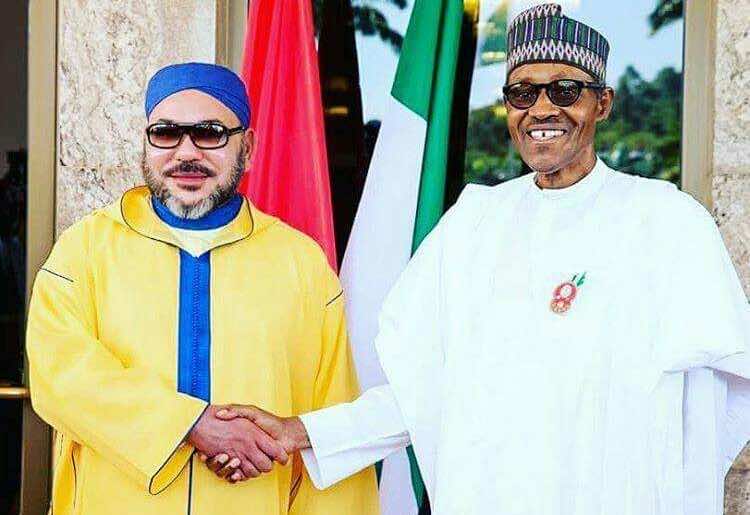
 Rabat – Morocco is making significant diplomatic gains in Africa, based on its unique blend of cultural, religious and economic diplomacy. When thinking of diplomacy, one rarely thinks of training religious scholars, welcoming students or building factories, yet Morocco’s holistic approach to diplomacy involves all of these things, and much more.
Morocco’s geographical location, recent developmental success and multicultural history position the country as a possible new thought-leader in Africa, and a hub for regional development and cooperation.
While other countries in the diplomatic arena possess greater economic riches to sway opinion, or more extensive military support in times of crisis, Rabat offers its partners an altogether different proposal; one of mutual sharing, understanding and cooperation.
The diplomatic successes booked by Moroccan diplomats since its return to the African Union in 2017 have puzzled many, and angered some who see Algeria’s diplomatic clout wane. Morocco is making friends fast, and continues to highlight the importance of South-South cooperation, shared religious values and the exchange of vital technology and knowledge to make African countries more resilient.

Win-win cooperation
Africa in many ways still functions as a colonial export region for Europe and the US, as renowned pan-Africanist and former Director of Kenya’s Anti-Corruption Commission PLO Lumumba often likes to remind his audiences.
The UN’s trade agency highlights that only 15.4% of African trade happens between African countries, meaning that the remaining 84.6% of trade occurs with foreign partners, often the country’s former colonial master(s). This trend is visible in Rabat and Casablanca, as Moroccan exports focus primarily on Spain and France.
Breaking this harmful trend is only possible through genuine efforts to promote intra-African trade, not just on ideals but on practical merits. The complementary nature of many of the continent’s resources, like Moroccan phosphates and Algerian gas, are often turned into value-added products in foreign factories, where the real profit is made.
The solution to these lingering issues that cripple Africa is the oft-touted “South-South cooperation” initiative, which the UN defines as a “manifestation of solidarity among peoples and countries of the South.” Yet despite this concept’s lofty ideals, South-South cooperation has often been more of a rhetorical ploy than a practical matter that is prioritized.
Morocco is attempting to change this status quo by making its South-South approach a fundamental element in its diplomatic efforts. Mutually-beneficial trade and development efforts have been central to Morocco’s diplomatic momentum, from the exchange of scholarships and technology, to the very practical business of building fertilizer plants across the continent.
Supporting Africa’s struggling agricultural sector has been the ace in Morocco’s deck. Home to over 70% of the world’s known phosphate reserves, Morocco has used its natural riches as a means to create value-added products at home, and deploy its profits to develop African innovation and knowledge-building.
As an example, combining Moroccan phosphates with Nigerian or Ethiopian natural gas helps local economies and spreads state-of-the-art farming practices while supporting farmers and creating sustainable growth and vital food-security.
The COVID-19 crisis appears to have created a new realization in Africa. Many people are now fully aware that when things get tough, you cannot rely on others to save you.
The few countries that made independent trade deals with China to procure vaccines are some of the highest-vaccinated countries on the continent. Those who waited for Western donations are some of the world’s least vaccinated.
Africa has all the potential to be a fully self-sustainable continent, and Morocco is clearly trying to do its part in making this a reality.

Trade in resources and knowledge
On April 19, Morocco provided further evidence of its South-South orientation as a priority when it ratified its membership in the African Continental Free-Trade Area Treaty (AfCFTA). The continental free trade agreement holds much promise, yet faces significant obstacles as well.Lingering inequalities in development and technology provide a stumbling block against the promise of African economic integration. The exchange of knowledge often still moves from the more advanced global north to Africa in a paternalistic and one-sided manner. Africa’s brightest minds travel the opposite direction, creating the vicious cycle of Africa’s severe brain-drain.
The genuine exchange of vital knowledge and technology among equals appears to be one of the few available solutions to break this disastrous cycle. Especially in regard to African agriculture, the problem is not barren soils, but the lack of technology and innovation that is holding back local food security and development. Having large swaths of the people preoccupied with farming limits the talent pool, and reduces the urgent need to develop service industry jobs that are future-proof and earn a good wage.
Shared knowledge building and academic independence forms a strong foundation on which to promote intra-african trade of complementary resources and African value-added production.
The African soil contains all the resources to produce smartphones, electric cars or space technology, yet there are no major African businesses innovating in these fields. African mines sent raw material to China and the West, to then see them return in the form of the gadgets Africans depend on for their telecommunications.
Just as in every developed country’s journey, Africa needs to first maximize its agricultural output while minimizing the human and natural resources required to produce food. Morocco appears well-positioned to accelerate this important first step through its vast knowledge exchange programs, often promoted by its largest company OCP Group.

Cultural & Religious influence
Along with economic investments and promoting South-South cooperation, Morocco has adopted a uniquely religious diplomacy in West Africa to expand its sphere of influence and counter rising radical religious discourses.
West Africa is home to 190 million Muslims from Mauritania, Senegal and Ivory Coast, with Islamic majorities in countries reaching all the way to Somalia in the East.
Some of these populations follow the Sunni Tijanniyah Sufi brotherhood. With one of its holy sites in Fez, the order has provided Morocco with political and public support in West Africa.
King Mohammed VI’s status as Amir Al-Mumunin, (commander of the faithful) further legitimizes the Moroccan ruling system and the country’s soft power in the continent in the eyes of West Africans.
Faced with competition from Saudi-backed Wahhabism and Iran-backed Shi’ism, Morocco has developed two religious and pan-African institutions, the Mohammed VI Institute for training Imams and the Mohammed VI Foundation for African Ulema
The institutions have promoted moderate and tolerant Maliki Islam by organizing cultural and religious pan-African events, training of African religious scholars, and establishing mosques and Islamic centers across the continent.
Morocco’s exportation of moderate Islam extends to Europe as the country cooperates with European institutions to counter religious extremist discourses and dismantle radicalized organizations.

Holistic approach, practical results
While the Moroccan diplomatic approach is built on abstract concepts such as tradition, culture and mutual respect, its effects meanwhile are having a practical impact on the lives of people across the African continent.
While Morocco benefits from the religious status of its monarch, it simultaneously is helping to build vital fertilizer factories, train local farmers, and boost economies through trade. This blend of cultural and historic elements mixed with technological and academic advancements provides a power tool to enable productive cooperation and dialogue to occur.
Trust has been built through the flexibility and neutrality that Moroccan diplomats have shown during crises from Libya and Ukraine, to Mali and Burkina Faso. While Morocco insists on others to respect its pre-colonial borders in the south, it equally demands respect for the territorial integrity and political stability of others.
In a time of hardened minds and inflexible positions, Morocco is showing equal respect to geopolitical giants such as the US and China, it balances its own people’s vital interests in the approach to the Ukraine conflict, while building positive momentum toward resolving the Western Sahara dispute. Not an easy task to accomplish.
Morocco’s abundance of strategic diplomatic tools are welcomed by potential partners because of their sustainable nature. Morocco’s religious significance to millions of Muslims abroad is set in stone, its reserves of phosphates eclypse any other countries’ and its trade agreements reach across the globe.
The things that have made Morocco’s diplomatic efforts produce results are only set to become more relevant in our uncertain future. One thing is certain, with climate change worsening and conflict grabbing headlines, Morocco is trying to do its part to mitigate harm and produce a more prosperous future for itself and its vast network of partners.
At Morocco World News we believe in talent, this analysis is the result of a collaboration between one of our junior talents and our senior writing staff.
To discover more about Morocco’s multi-faceted approach in the Sahel, check out the first part of this analysis, “How Morocco’s Multi-Faceted Approach in Africa is Winning.”


