


 Join on WhatsApp
  Join on Telegram
 Rabat – The United Nations has once again stressed that it regards Algeria as one of the main parties to the Western Sahara dispute.
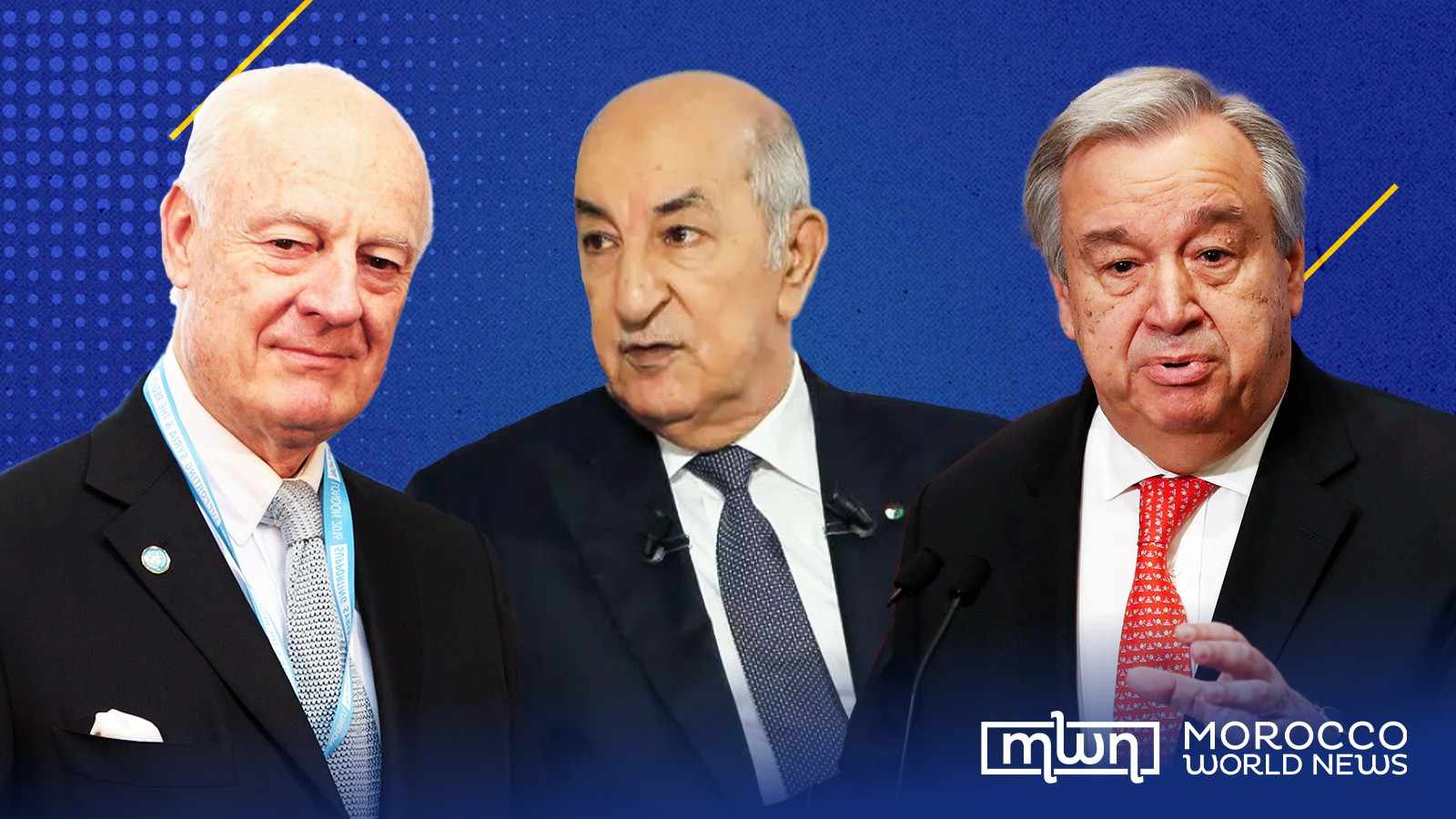
In comments to journalists on Monday, UN Secretary-General spokesperson Stephane Dujarric provided updates about the stagnated UN-led political process over Western Sahara. He recalled that Staffan de Mistura, the UN’s envoy for Western Sahara, has called upon all parties to the dispute to participate in “informal bilateral” consultations prior to the Security Council briefing set for April.
“Mr. de Mistura has invited the representatives in New York of Morocco, the Frente POLISARIO, Algeria and Mauritania” to informal bilateral consultations with him, Dujarric said, stressing that the invitation has also been extended to the members of the Group of Friends of Western Sahara, including France, Russia, Spain, the UK, and the US.
The consultation meetings aim to discuss “lessons that lead in the political process” as well as to deepen examination of positions in the search for mutually acceptable formulas to boost the UN-led political process, Dujarric said.
Read also: The Long Walk Ahead of the New Personal Envoy for Western Sahara
This latest statement from the UN is another setback for Algeria’s stance on the Sahara dispute: it defies the Algerian regime’s relentless attempts to distance itself from its responsibility in the Western Sahara dispute.
Algeria has over the years been repeatedly reluctant to engage in the political process as a main party, describing itself as merely an “observer state” or a “concerned neighbor” and claiming that a solution to the territorial dispute should be negotiated between Morocco and the Polisario Front.
Yet as Algeria is known for hosting, financing, arming, and training the Polisario Front, Morocco has maintained that the Algerian regime is a main party to the dispute and should be involved in any efforts to settle the long-standing Western Sahara question.
The UN’s appeal to all parties to engage in the informal consultations comes as UN resolutions over the past decade have repeatedly urged the Algerian regime to engage in the UN-led political process and any potential talks aiming to relaunch dialogue.
The latest resolution urging Algeria to strongly engage in the political process was adopted last year in October.
Paragraph 3 of Resolution 2654 reaffirmed that the Security Council “strongly encourages Morocco, the Frente POLISARIO, Algeria, and Mauritania to engage with the Personal Envoy through the duration of this process, in a spirit of realism and compromise to ensure a successful outcome.”
Read also: Western Sahara: The Conclusion (Almost) Everyone Suspects Is Coming
Yet the Algerian regime rejected the resolution and described it as similar to the previous one. That dismissive attitude towards the latest UN resolution reflects Algeria’s apparent shift towards systematically rejecting all UN reports or resolutions that disqualify a self-determination referendum as a viable route to a lasting settlement of the Sahara dispute.
With signs that the UN-led political process is irreversibly moving to opt for pragmatism and compromise, something that unmistakably favors Morocco’s Autonomy Plan, observers say Algeria appears to be determined to undermine the UN-led dialogue as long as it does not rehabilitate the evidently sidelined referendum option.


