
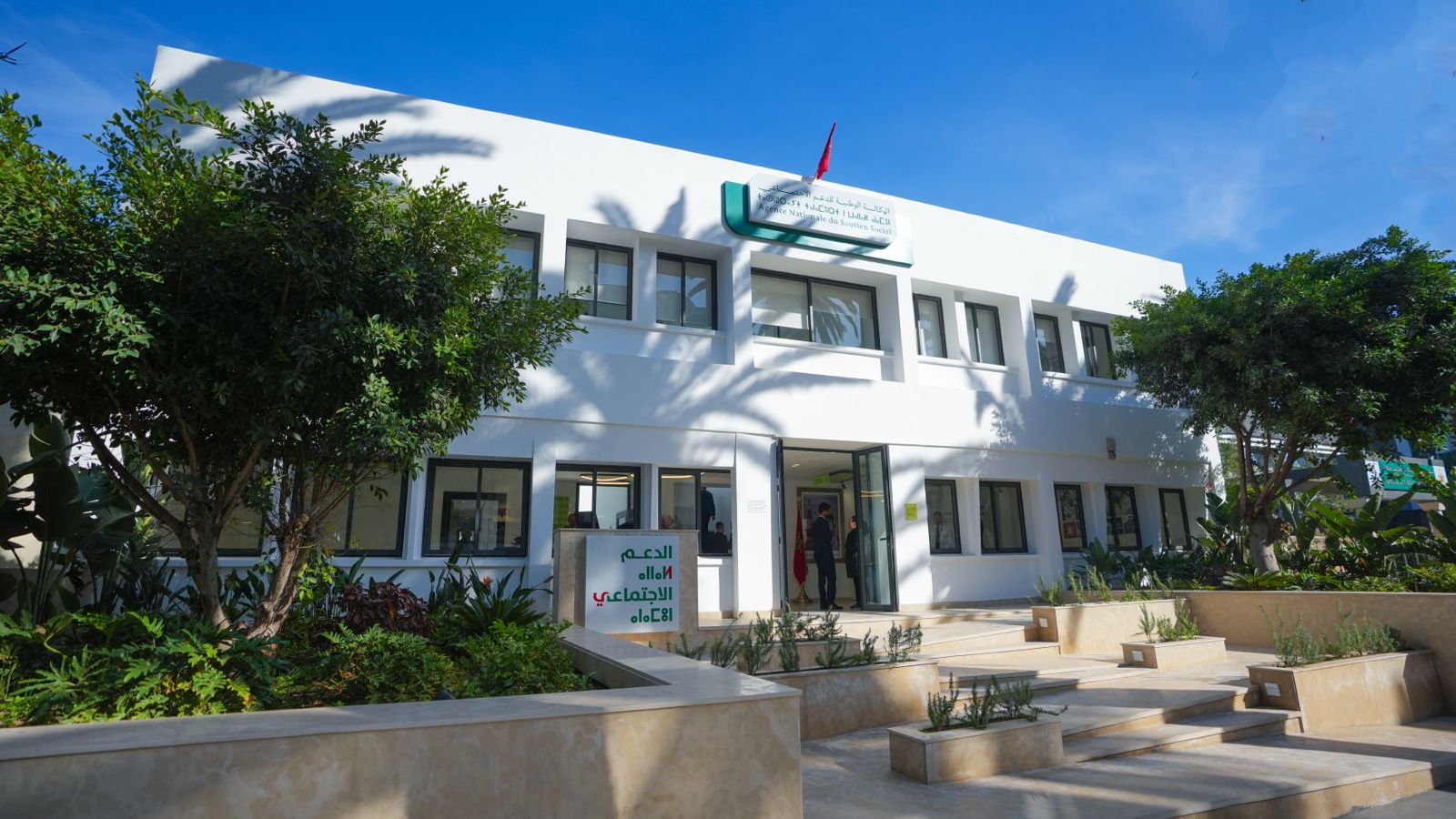
Rabat – Morocco has opened its first local branch of the National Agency for Social Support (ANSS) in the province of El Jadida Province.
The new territorial office marks a concrete step toward putting social policy closer to citizens.
Authorities present the initiative as part of broader national orientations that seek real and lasting impact for families who rely on public aid.
From financial aid to local support
For years, direct social assistance mainly meant financial transfers. With this new structure, the agency seeks a wider role. The aim is not only to distribute aid, but also to build a local presence that listens to families, explains procedures clearly, and responds to concerns on the ground.
The El Jadida office will welcome beneficiaries in person. Staff will provide information about recent changes in the assistance scheme, explain who qualifies, and guide families through application or complaint procedures.
This direct contact is expected to reduce confusion and restore trust among people who struggle with digital platforms or administrative steps.
Officials say the ultimate goal out of this new office is to make public service easier to reach, especially for families in remote or vulnerable areas.
The El Jadida branch serves as a pilot project. Authorities will assess how the model works in practice before extending it to other regions.
This test phase will allow the agency to measure efficiency, evaluate social impact, and identify gaps. Feedback from beneficiaries and local partners will help refine the system. The experience should shape the future expansion of similar offices across the country.
A policy of proximity
The agency outlines four main priorities for these territorial offices.
First, it seeks to humanize social support. Digital tools remain in place, but physical offices now offer face-to-face guidance. This approach aims to strengthen trust and provide clear, reliable information.
Second, it promotes geographic equity. Local presence allows services to adapt to the specific needs of each territory and reduce disparities in access to public support.
Third, it focuses on prevention. By gaining better knowledge of household situations, the agency hopes to reduce the risk of deeper poverty and support families who want greater economic independence.
Fourth, it seeks to support social mobility. Through coordination with local authorities and public services, the agency aims to improve living conditions and help break cycles of intergenerational poverty.
Legal basis and institutional context
The creation of territorial offices follows the provisions of Law 59.23, which authorizes such structures. It also aligns with Law 54.19 on the Public Services Charter, which calls for fair territorial coverage and closer relations between citizens and administration.
The move responds as well to recommendations from constitutional institutions that called for stronger administrative support for people who face difficulty with digital procedures. The agency states that assistance will respect privacy and protect personal data.
With the El Jadida office open, Morocco begins to test a more grounded approach to social assistance that relies on financial aid, as well as on local presence and direct contact with families.