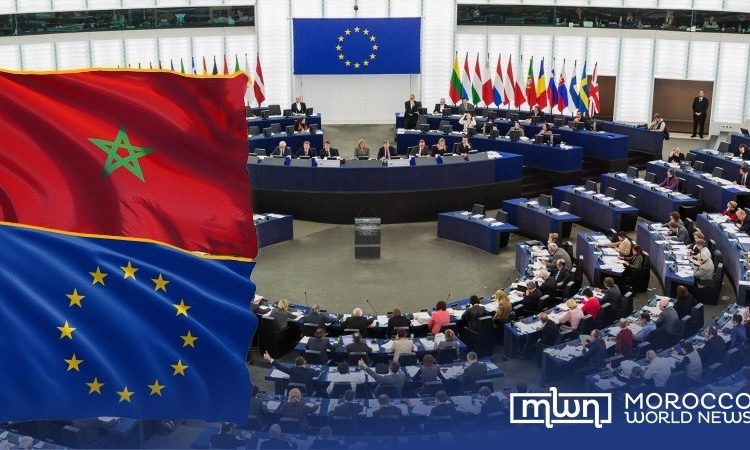
Rabat – Morocco’s Mission to the European Union and NATO has reportedly sent a letter in an email to several members of the European Parliament (MEPs), reiterating the country’s position as a leader in tackling the migration crisis.
Europa Press reported Tuesday that the mission sent the email, dated September 14, to at least 61 MEPs from Spain. The same news outlet alleged that the email was not sent to some MEPs from other parties, including those from the far-right, such as Vox. MEPs from parties such as Sumar and the PP also allegedly did not receive the email.
Politicians from Sumar, Vox, and even the PP have launched a smear campaign targeting Morocco since the influx of migrants on July 30-31 into the Spanish-held enclave of Ceuta – an incident that saw at least 70,000 people entering the occupied city irregularly, according to estimates from Spanish reports.
The incident marked one of the largest crossings in Spanish-Moroccan history, sparking frustration and accusations targeting Rabat.
Many accused the North African kingdom of blackmail, claims that Spain’s government denied, emphasizing there was no evidence showing Morocco was guilty of the influx of migrants.
The alleged email from the Moroccan mission also raises questions over why Rabat would seek to deliberately trigger a migration crisis with Spain or the EU, particularly at a time when Morocco was celebrating Throne Day – one of the country’s most significant national occasions.
The email emphasized Morocco’s position, stressing that the letter aims to clarify the situation and contribute constructively to the debate in anticipation of the plenary debate in the EU Parliament, which is set for Thursday.
It also stressed Morocco’s efforts to investigate the causes and actors behind what happened in Ceuta, citing reports that indicated a social media campaign behind what happened on July 30-31.
The email also allegedly pointed to statements made by Morocco, particularly the Ministry of Interior, which frequently emphasized the role of disinformation and the manipulation of vulnerable people by human traffickers and smuggling networks as one of the primary reasons behind the July influx.
The letter also recalled Morocco’s approach in handling the situation, including the agreement with Madrid to return all migrants.
The agreement and active cooperation facilitated the return of the vast majority of those who entered the occupied enclave, with return operations ongoing. Morocco has also repeatedly urged Spanish authorities to speed up the deportation process of migrants, including minors.
Spain’s government, including Pedro Sanchez, continues to back Morocco as a key ally, rejecting blackmail claims.
Sanchez further dismissed such accusations in a new interview on Monday, stressing that such rumors that are “spreading about mobile phones or other issues, well, maybe they’re fine for a Netflix series, but reality has to be built on facts and not rumors.”