


 Join on WhatsApp
  Join on Telegram
 Rabat – Hamas announced the start of a new round of ceasefire negotiations with Israel in Doha, which began on Tuesday evening, expressing their intent that these talks could lead to solid progress toward beginning the second phase.
“We hope this round leads to concrete steps toward starting the second phase of negotiations, setting the stage to stop the aggression, secure the occupation’s withdrawal from Gaza, and complete a prisoner exchange deal,” said Senior Hamas Official Abdel Rahman Shadid in a public statement.
Shahid, who stated that the resistance group is engaging in the negotiations with “full responsibility and positivity,” also stressed the responsibility that falls upon the US administration given its “unwavering support” for Israel.
Five Americans are among the 59 Israeli hostages remaining in Gaza, with 24 still believed to be alive, according to Israeli estimates. Meanwhile, over 9,500 Palestinians are being held in Israeli prisons, many without legitimate charges, where human rights reports have been sounding the alarm on Israel’s gruesome violations that have led to multiple deaths.
US special envoy to the Middle East, Steve Witkoff, has arrived in Qatar to restart negotiations with Hamas. Witkoff is reportedly behind Israel’s initial demands to extend the first phase for Hamas to release more captives.
While the Israeli side has been demanding the extension of the first phase for weeks, Hamas is adamant about abiding by the terms of the original ceasefire and moving to the second phase of the deal, entailing the withdrawal of Israeli Occupation Forces (IOF) from Gaza.
Israeli Prime Minister Benjamin Netanyahu is reportedly unwilling to comply with the terms of the original ceasefire to preserve his political survival, given that his cabinet members have threatened to leave the government if he moves to the second phase. Moving to the second phase would be “tantamount to political suicide,” said Al Jazeera reporter Stefanie Dekker.
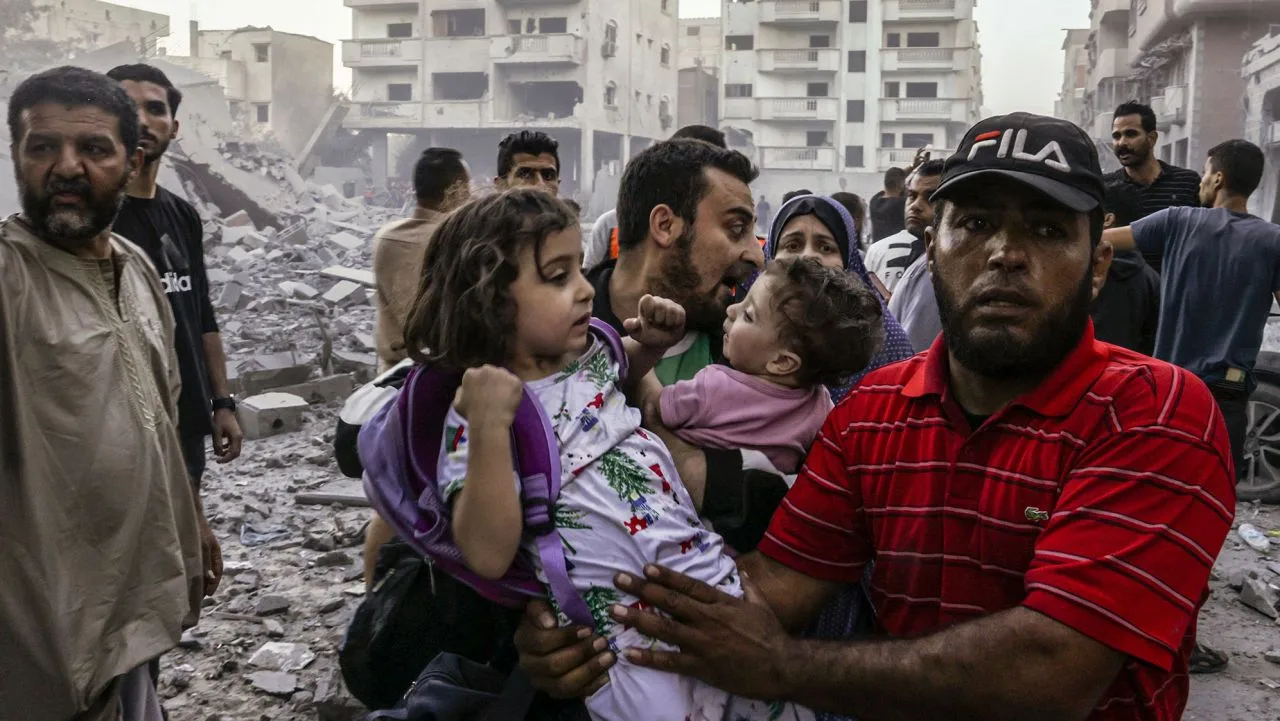
Israel shows no signs of stopping its hostilities in Gaza, reportedly killing at least eight Palestinians, including a child, and blowing up several houses in the east of Gaza city.
In a statement released on March 6, the United Nations Human Rights Office revealed that Israel had killed at least 100 Palestinians since the ceasefire went into effect on January 19.
Israel has also been ramping up its hostilities in the West Bank, carrying out raids that led to the arrest of at least 30 people overnight, as well as further restricting Palestinians’ freedom of movement by setting up a checkpoint near Bethlehem on Wednesday morning.
With Gaza’s infrastructure in shambles as a result of over 16 months of senseless Israeli aggression and genocide, doctors have been continuously facing a dire lack of resources, amid an ongoing blockade on humanitarian aid. In fact, the last operational medical facility in northern Gaza is a makeshift clinic set upon the ruins of the Kamal Adwan Hospital in Beit Lahiya.
Israel also cut off the electricity supply to Gaza on March 9, leaving the entire enclave reliant on a sole electricity-generating facility that provides amounts that can be as low as 60 megawatts of power on some days.


