 Join on WhatsApp
 Join on Telegram
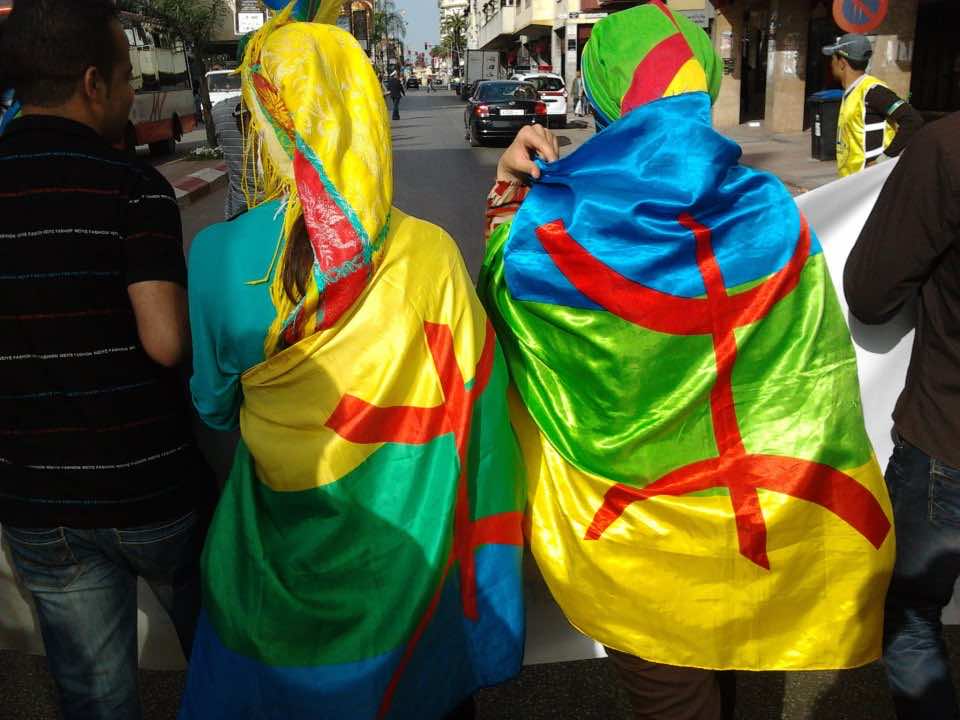
Taroudant – The Moroccan Amazigh (Berber) community is celebrating Yennayer, Amazigh New Year 2966, which falls on January 12, through several festivities showcasing its food, local music and dance.
The Amazigh New Year, or Idd n Yennayer, as it is called locally, meaning the eve of the first day of the agrarian calendar year used since ancient times by Amazigh throughout North Africa, marks the beginning of the crop year.
Under different names, Yennayer is celebrated by both Arab and Berber speaking communities. Some Arab speaking community in old cities referred to this traditional event as “Haguza” or “Aam Alfilahi” (the Agrarian year). However, the celebration is known by the Amazigh community, more precisely those dwelling in the south east of Morocco, by “Id Suggas” (the night of the year).
“People are celebrating by preparing couscous. They used to put couscous on top of tents in the middle Atlas. If the grains of couscous are dispersed, they say that some devout people eat it and the year will be good,” Benaceur Azaday, an academic told Africa News.
Amazigh activists call on the government to recognize Yennayer as a national holiday in Morocco.
“We are happy with what we achieved for the Amazighs but we are asking for more. We want our language to benefit from the same rights Arabic has because it is an official language and we also insist that the 13th of January be made a national public holiday,” The president of the Addour association said, according to the same source.
To celebrate this event, people all over Morocco prepare various succulent dishes. Some prepare “Irkmen”, wheat with dry fava beans simmered in the form of soup. Others serve “Tagola”, a meal based on corn kernels cooked, and mixed with butter and accompanied with ghee. However, Couscous with seven vegetables remains the luxurious dish to be served on that special night.
Traditionally, Amazigh people put a seed of dates or a piece of almond in couscous to be served for the night of celebration. The person who finds this seed of dates or piece of almonds is to be entrusted with the keys of a room reserved for storing the family’s food, and that person is believed to be “blessed” throughout the whole year.