


 Join on WhatsApp
  Join on Telegram
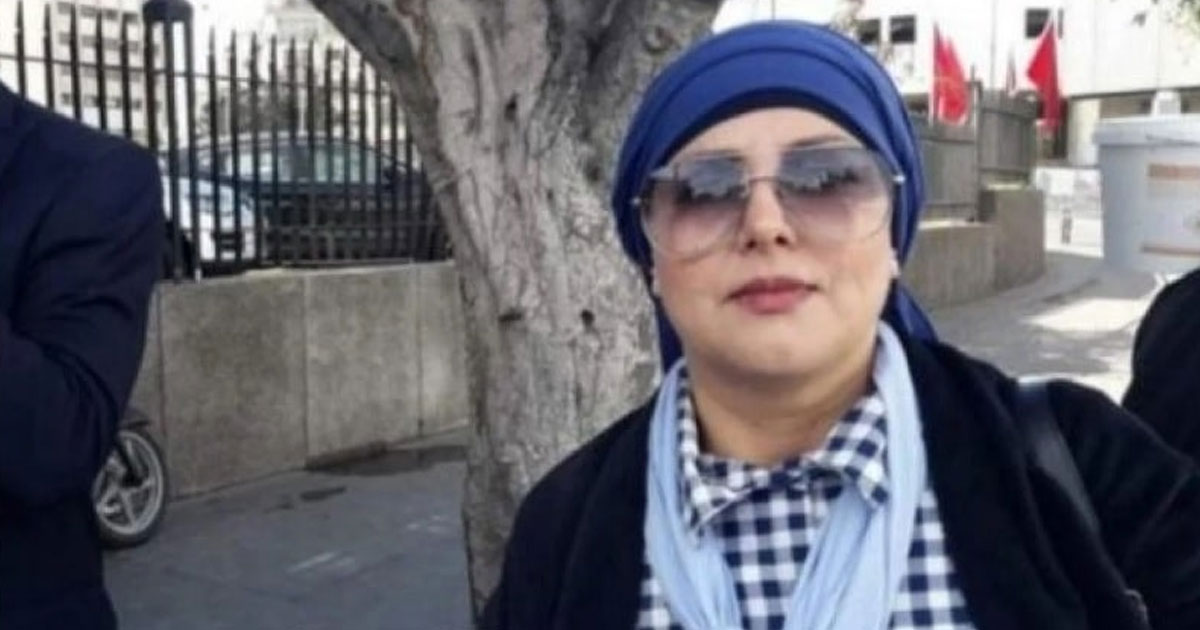
 Rabat – The Court of First Instance in Casablanca sentenced Moroccan blogger Saida El Alami on Tuesday to three years in prison and a fine of MAD 20,000 ($2,000).
A prominent figure on Moroccan social media, El Alami was prosecuted on charges of “insulting a legally constituted organization,” “spreading false allegations,” and “contempt of justice.” Her defense team announced plans to appeal the ruling.
The verdict follows her arrest on July 1 in Casablanca, with the public prosecutor ordering her pre-trial detention two days later.
This latest case comes less than a year after El Alami was granted a royal pardon on July 29, 2024, in a similar case involving accusations of contempt and the dissemination of information deemed false.
A prominent human rights activist and member of the collective Femmes Marocaines Contre la Détention Politique, El Alami has long been known for denouncing politically motivated detentions.
Her legal troubles began in March 2022, when she was summoned by the National Judicial Police Brigade (BNPJ). Following her interrogation, she was held in police custody for 48 hours before being transferred to the Ain Sebaa Court of First Instance in Casablanca. During this period and for the first ten days of her detention, she was denied access to legal counsel.
The case was built largely around her social media activity. In a Facebook post dated March 22, 2022, she accused Morocco’s Director-General of National Security (DGSN) and Director of the Surveillance Directorate (DGST) of sending officers to question her neighbors while she was away. In another post from January of the same year, she criticized corruption within the judiciary.
Prosecutors charged her with “insulting a body regulated by law,” “insulting public officials while carrying out their duties,” “contempt of judicial decisions,” and “broadcasting and distributing false allegations without consent,” invoking articles 263, 265, 266, and 477-2 of the Penal Code.
According to one of her lawyers, who spoke to Amnesty International under condition of anonymity, the court also refused their request to release her pending trial, without offering justification.
Her new conviction is expected to reignite debates in Morocco about freedom of expression online, the boundaries of digital activism, and the legal frameworks governing criticism of public institutions.


