


 Join on WhatsApp
  Join on Telegram
 Rabat – Morocco’s 2021 Finance Bill aims to prioritize the health and education sectors by adding MAD 5 billion ($538.5 million) to their budget.
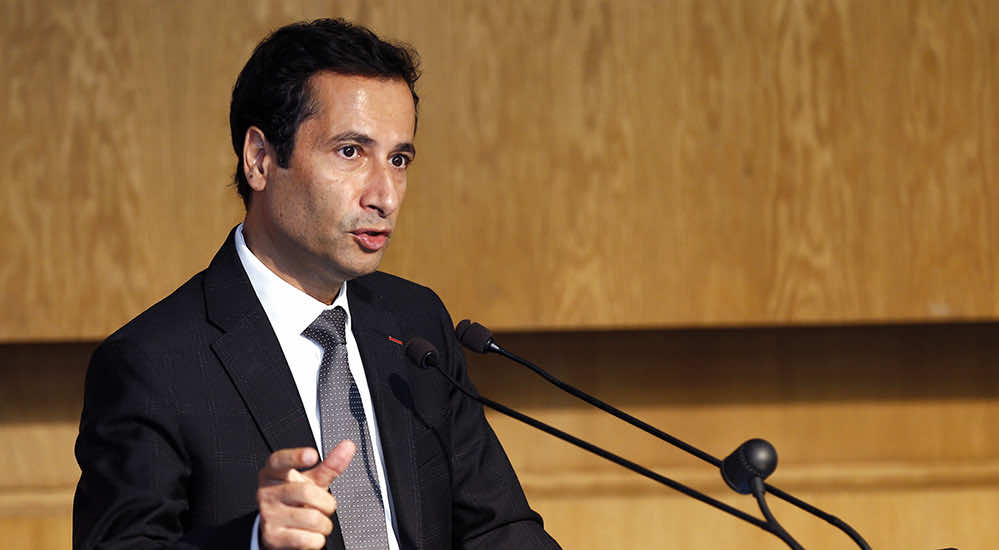
Morocco’s Minister of Economy Mohamed Benchaaboun outlined the 2021 Finance Bill on Monday during a session of the House of Representatives.
The minister said Morocco will reserve 5,500 budget items for the health sector, an increase of 1,500 items compared to 2020. The education sector will receive 17,000 items, up 2,000 from the year prior.
Benchaaboun also detailed an increase in equipment expenditure of MAD 717 million ($77.23 million) for the health budget and MAD 3 billion ($323.1 million) for that of education, according to Morocco’s state media.
The revisions to the investment expenditures amount to MAD 850 million ($91.55 million) for the health sector and MAD 528 million ($56.87 million) for the education sector.
“Certain incompressible charges” present constraints and challenges related to Morocco’s 2021 Finance Bill, he continued. The charges include a MAD 8.5 billion ($915.5 million) increase in the payroll, a MAD 1.5 billion ($161.6 million) increase for the organization of elections, a MAD 2 billion ($215.4 million) increase for compensation costs, and a MAD 1.6 billion ($172.3 million) increase towards advancing regionalization.
The figures add up to MAD 13.6 billion ($1.46 billion) in the form of additional charges, Benchaaboun stressed to the House of Representatives.
Read also: Morocco’s 2021 Finance Bill: El Othmani Calls to ‘Rationalize Spending’
In addition to these “incompressible charges,” the minister expects that the year 2021 will see a drop of MAD 20 to 25 billion (between $2.15 and $2.69 billion) in tax revenues due to the COVID-19 crisis.
The constraints associated with the incompressible charges are necessary to guarantee economic sustainability and financial balances. They also serve to ensure Morocco has the necessary margins to launch structural reforms for post-crisis recovery.
Shifting gears to the restructuring of Public Establishments and Enterprises (EEP), Benchaaboun highlighted the creation of a national agency to manage state holdings and monitor the performance of public establishments.
The agency consolidates the state’s role as a shareholder in the national economy, strengthens good governance, guarantees the strategic management of state holdings, and monitors the operational efficiency of public establishments.
The entity also allows for the exploration of additional resources through the active management of state domains as well as innovative financing mechanisms and public-private partnerships.


