


 Join on WhatsApp
  Join on Telegram
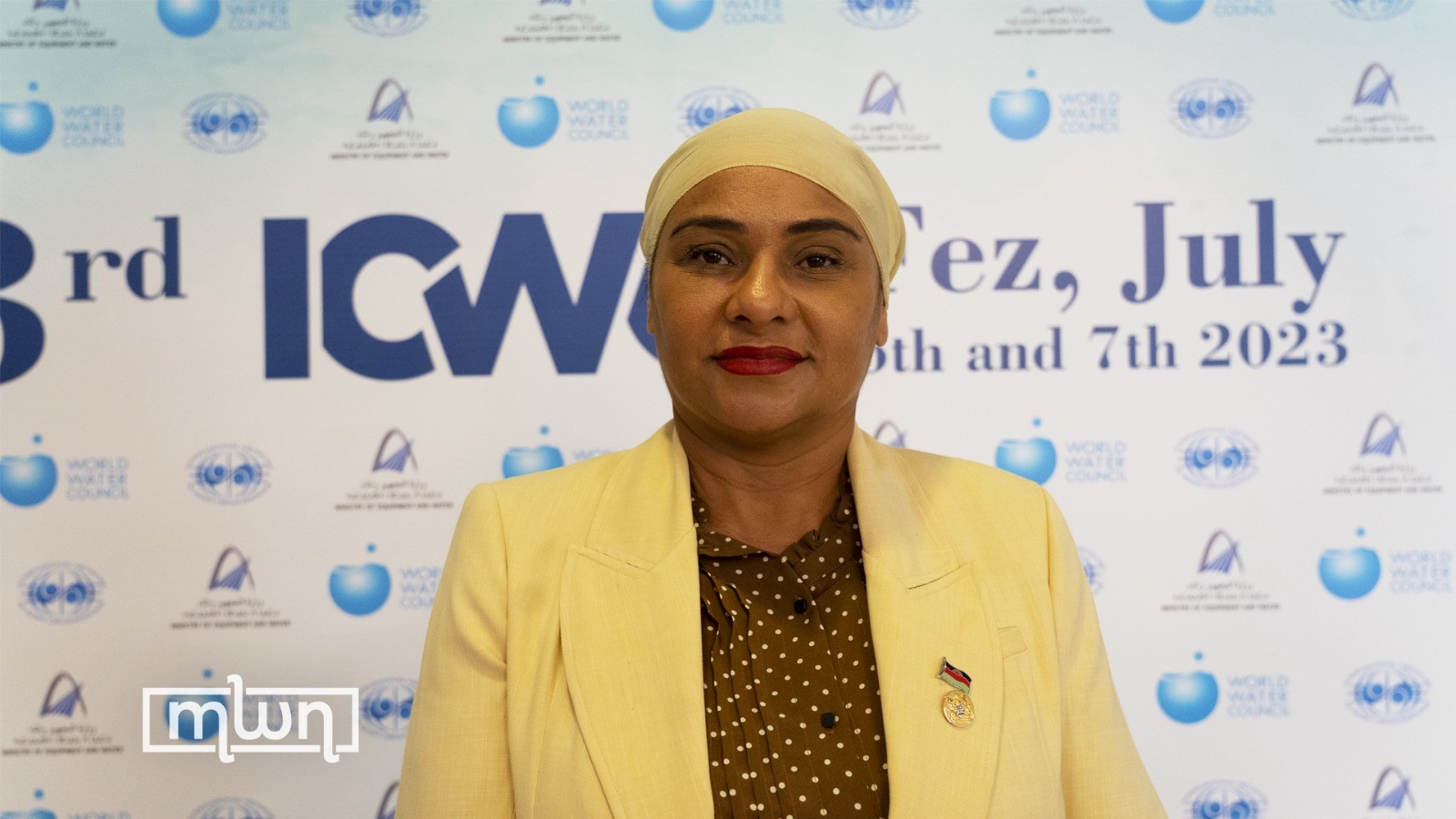
 Abida Mia, Malawi’s Minister Water and Sanitation, told Morocco World News on day two of the 3rd Annual International Conference on Water and Climate in Fez on Friday that despite the devastation of Cyclone Freddy, the Southeastern African country remains on track to hit its targets for a sustainable, clean water supply and sanitization by 2030.
“We are trying to make sure that by 2030 we have full coverage in that sector. We want to make sure that everybody has clean water and as much sanitation as possible,” Mia said.

This past March, the longest-lasting and farthest-traveling tropical cyclone on record, Cyclone Freddy, tore through Malawi, Madagascar, Mozambique, Zimbabwe and South Africa. The tropical storm which lasted over five weeks, damaged vital infrastructure, displaced half a million people and claimed over 1400 lives, 1200 of which were in Malawi alone.
“We were hit very badly by Cyclone Freddy. It damaged a lot of our infrastructure across the country not only for the water infrastructure but also roads, hospitals, a lot of houses were actually brought down,” Mia told Morocco World News. “We actually had mudslides where people died, so many people died. These are problems we’re facing.”

She explained that Malawi is rebuilding water infrastructure to go deeper underground so it can withstand future climate shocks and have continued resilience in the years to come as the region faces uncertain weather patterns. This includes both piped water schemes and solar powered schemes (meaning any proposal for water distribution undertaken by an official water authority).
Read also: Water Management: Morocco’s Greatest Threat or Opportunity?
Those living in rural regions are the most vulnerable to these climate shocks, Mia acknowledged, adding that the government has made considerable efforts towards tackling the dire situation in rural, underserved areas.
“In the rural area, we have had two areas where whole villages were washed away. When you look at it, they actually don’t have much access to water and sanitation services. So that’s where we’ve had to go in,” Mia said. “These are problems we’re facing. We have a lot of strides we’ve made forward, now we have to look for more resources for us to do the work again.”

She named several partners that the ministry has been working with to rebuild vital water infrastructure in Malawi naming the World Bank, African Development Bank and World Vision, and Water for People.
“We have so many partners for me to mention that come in to assist us with, not just actual funding, but do the projects for us. They build the projects and actually give them to the communities where they’re lacking access to water,” Mia explained. “We have a lot of strides we’ve made forward, now we have to look for more resources for us to do the work again.”
She concluded: “So we’re going to look at obviously much more resilient infrastructure in terms of the water sector, like piped water schemes, solar powered schemes, but obviously go deeper with our piping so that it’s not going to be washed away when we have these climate shocks.”


