 Join on WhatsApp
 Join on Telegram
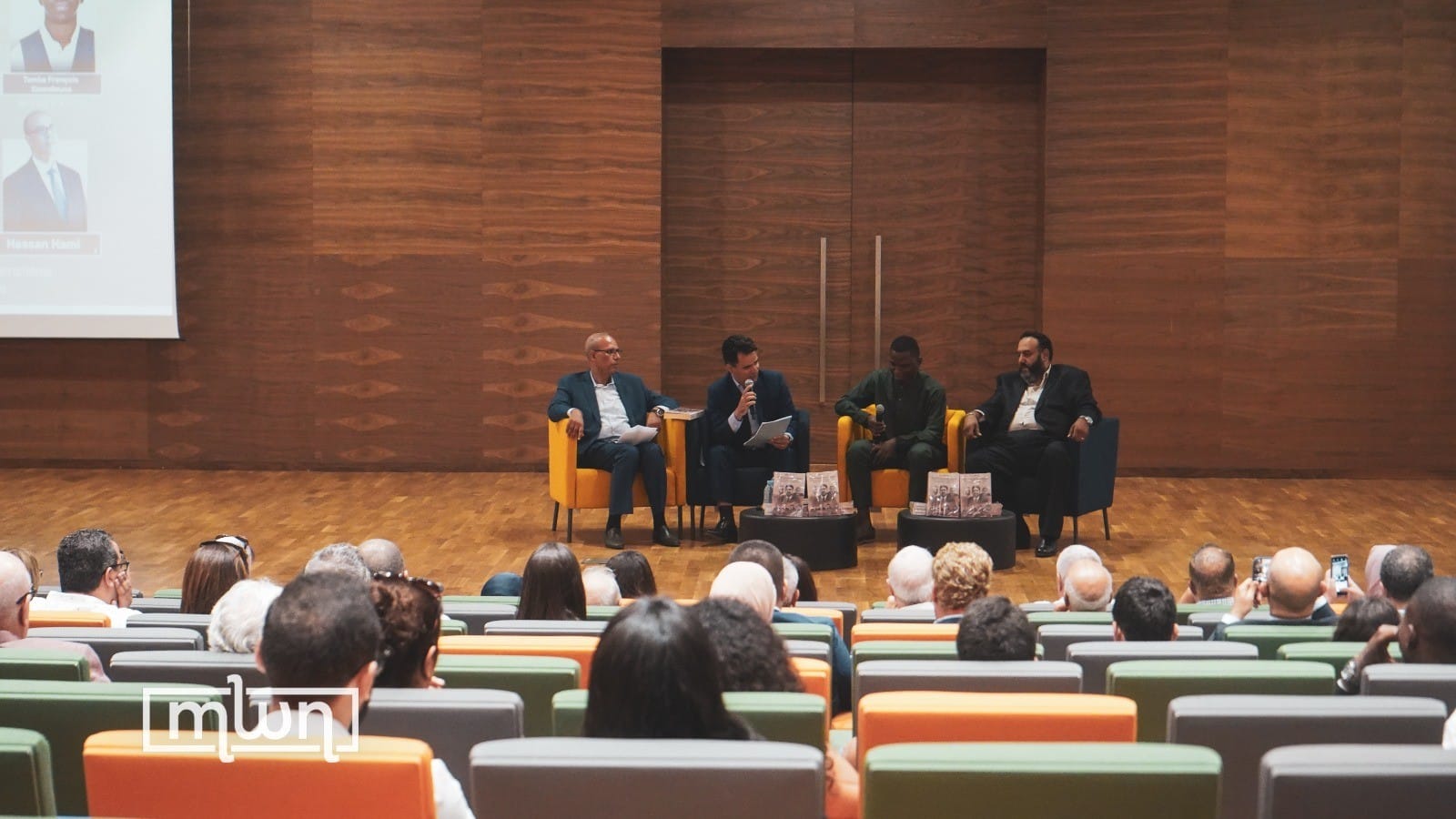
Rabat – A diverse audience of experts, diplomats, media professionals, and engaged citizens gathered yesterday at the Rabat Business School, part of the University Mohammed V in Rabat, to listen to Samir Bennis talk about the complexities of the Western Sahara conflict.
Bennis was speaking on the occasion of the launch of his latest book, “The Self-Determination Delusion: How Activist Scholars and Journalists Have Hijacked the Western Sahara Case”.
Hosted by Morocco World News (MWN), the conference titled “Unpacking Media Bias and Intellectual Activism in the Western Sahara Debate” offered a platform for in-depth discussions on a dispute that has shaped regional geopolitics for decades.

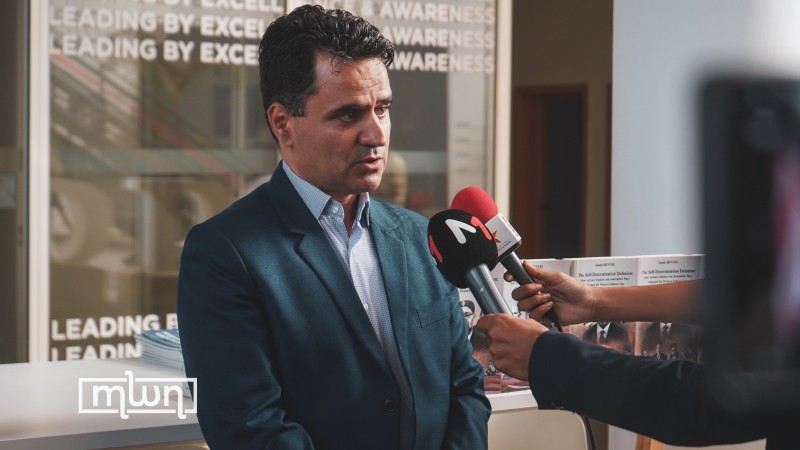
In an exclusive conversation with MWN, Samir Bennis, a seasoned diplomat and co-founder of MWN, shared his motivation for writing the book.
Bennis expressed satisfaction in presenting his book on the Sahara, stating: “The idea behind this work is to fill a gap in the English-language narrative surrounding the conflict.” The book aims to “deconstruct, refute, and dismantle the prevailing narratives” shaped by foreign interests over the past fifty years, he stressed.
His research has uncovered a “well-orchestrated media campaign” designed not to inform the global audience about the true nature of the conflict but to serve specific agendas.
Bennis’ work is a rigorous examination of primary sources, offering what he describes as a more accurate portrayal of the historical and legal facts surrounding the Western Sahara issue.

“I aim to spotlight these overlooked facts, particularly those systematically ignored by pro-Algerian journalists and academics in the West,” he added.
Read also: Samir Bennis to Release Book Dissecting Mainstream Delusions on Western Sahara
Drawing from his extensive experience at the United Nations and in Washington, D.C., Bennis expressed confidence in the impact of his book.
“Anyone who reads this book will recognize it as a valuable resource for debunking the dominant narratives in both media and academic circles,” he stated.
He also encouraged young Moroccan researchers to use the book as a foundation for further investigation into the conflict’s many dimensions.

“The Self-Determination Delusion” presents a bold critique of the widely accepted notion that a self-determination referendum is the only viable solution to the Western Sahara dispute.
While the 1975 International Court of Justice (ICJ) advisory opinion acknowledged the Sahrawi people’s right to self-determination, Bennis argues that the interpretation of this right has been overly simplified and manipulated.
He emphasizes that the UN Charter outlines multiple pathways to self-determination, many of which have been overshadowed by a selective decolonization narrative.

Bennis meticulously analyzes United Nations archives and Security Council resolutions to trace a significant shift in the international community’s approach to the conflict.
According to his research, recent resolutions, particularly those adopted since 2018, indicate a more nuanced understanding of the issue that could reshape the future trajectory of the Western Sahara dispute.
‘Unlike anything written about the Moroccan Sahara so far’
The conference also featured contributions from other prominent figures, including Hassan Hami, a political scientist, writer, poet, and former Moroccan ambassador. Hami, who authored the preface to Bennis’ book, reflected on his involvement with the project.

“I was initially drawn into this by chance, but as I read the manuscript, I realized how critical this work is,” Hami shared with the audience. “Samir Bennis’ book is unlike anything written about the Moroccan Sahara so far. He has dug deep into the arguments that have been used to undermine Morocco’s position and has systematically dismantled them. His experience as a political advisor at the United Nations lends credibility and depth to his analysis.”
Hami praised Bennis’ dedication, noting that the book represents the kind of scholarly rigor that Moroccans have long awaited from their intellectuals.
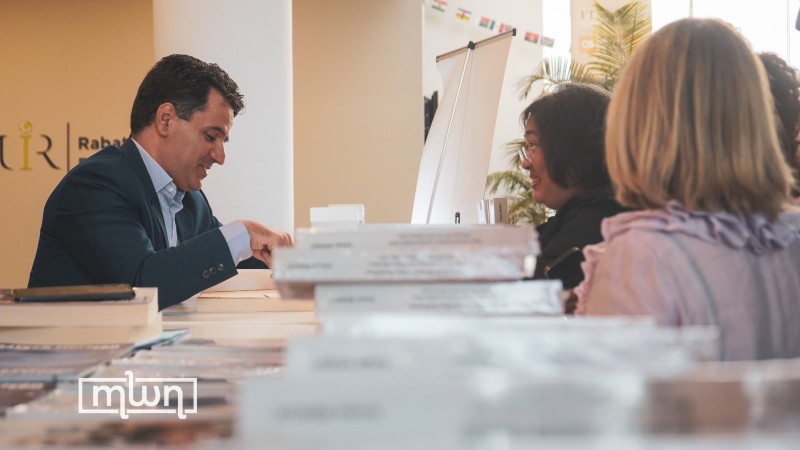
“This book is a testament to what Moroccan scholarship can achieve when it is both passionate and thorough,” he said, lauding the high turnout at the event as a sign of the book’s significance.
The audience included a mix of students, academics, and diplomats, all eager to engage with the ideas presented. Zainab El Idrissi, a recent graduate in translation and cross-cultural communication from Al Akhawayn University, described the event as an eye-opener.
“It was fascinating to hear different perspectives on the Moroccan Sahara and to meet other young Moroccans and diplomats who are eager to contribute to resolving this issue,” she said.
Another attendee, a master’s student in language, communication, and society, expressed similar sentiments. “Today’s discussion was incredibly enriching. It’s rare to have such a comprehensive and critical examination of the Sahara conflict, especially in a setting like this,” she noted.