
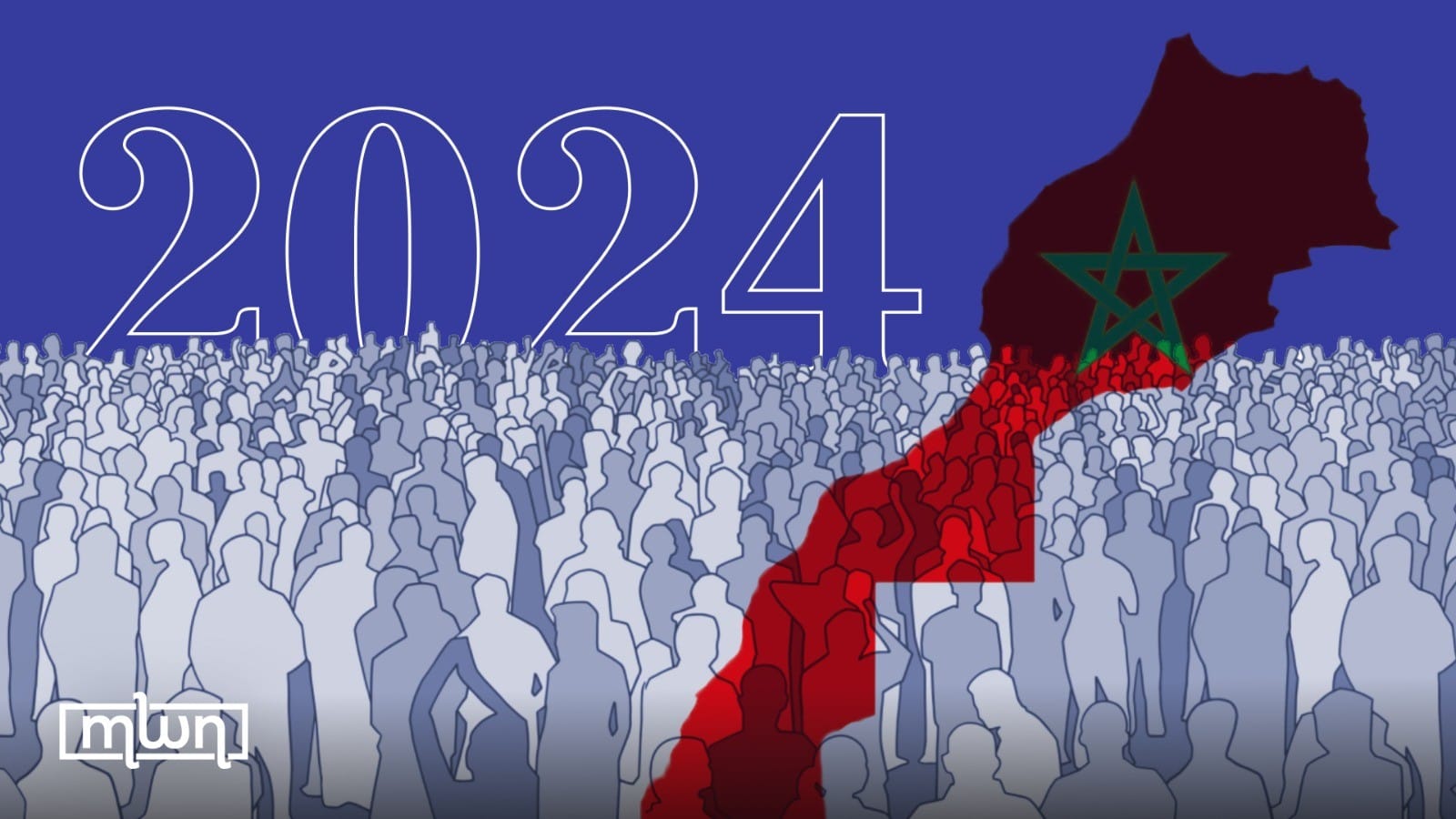
Doha – The High Commission for Planning (HCP) in Morocco has commenced the data collection phase of the 7th General Census of Population and Housing (RGPH) across all regions of the country.
The operation, which began today, will continue until September 30.
Conducted in accordance with the instructions of King Mohammed VI and the recommendations of the United Nations Statistical Commission, the census aims to provide an accurate picture of the population and housing situation in Morocco.
The RGPH 2024 has mobilized significant human resources, with 55,000 participants, including enumerators, controllers, and municipal supervisors.
Among the participants, 60% are graduates and students, 32% are women and men in the education sector, and the remaining 8% are officials from public administrations and institutions, private sector employees, and public service retirees.
To facilitate the census, the HCP has acquired 55,000 electronic tablets, co-financed by the Ministry of National Education, Preschool and Sports, which will benefit from the tablets at the end of the census fieldwork as part of the promotion of the digital school project.
The tablets are currently programmed exclusively for census use and cannot be utilized for other purposes.
They can also be remotely located, and immediate intervention by security services is planned in case of loss.
In addition to the electronic tablets, the material and logistical resources mobilized for the census include 55,000 census supplies (bags, badges, caps, training supplies, etc.), 350 training and storage centers, 90 supply storage centers, and 7,000 vehicles and drivers.
The budget for the RGPH 2024 is estimated at MAD 1.46 billion, with 67% allocated for participant remuneration, 20% for material and logistical resources, and 13% for technological resources.
During the census, a dual questionnaire will be used to collect data from households. The first questionnaire includes questions related to demographic structures and rare phenomena such as international migration and mortality.
The second, more detailed questionnaire covers additional topics, including social protection, the use of information and communication technologies, and the environment.
The long-form questionnaire aims to delve deeper into subjects typically included in previous statistics, such as fertility, health, education, and economic activity, providing the necessary data to monitor sustainable development goals and track the implementation of the new development model.
This detailed questionnaire will be administered to the entire population of communes with fewer than 2,000 households and a 20% sample of households in communes with 2,000 or more households.
The short questionnaire will be administered to the remaining 80% of the population.
As a national operation of significant scope, the RGPH allows for the understanding of the demographic, social, and economic characteristics of the entire population, including specific population groups such as nomads and homeless individuals.
It also determines the volume and characteristics of the housing stock and the living conditions of households.