


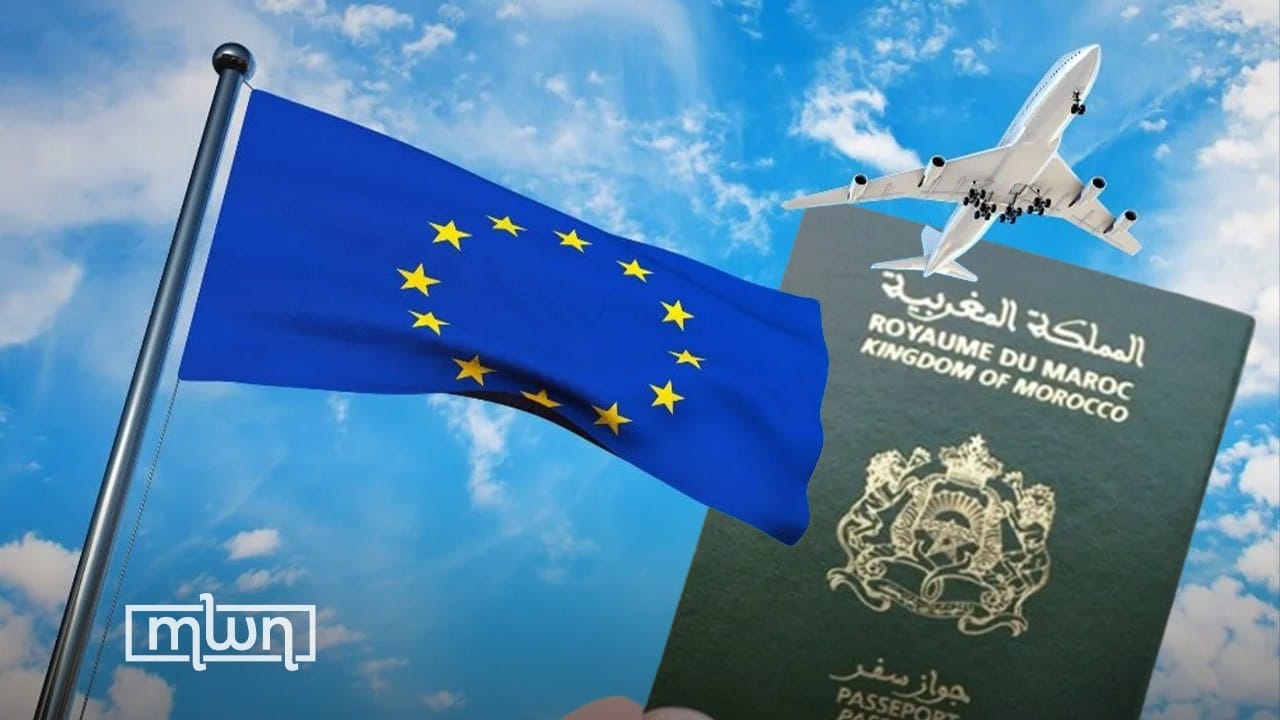
Rabat – The European Union’s post-Brexit Entry/Exit System (EES), which will launch on November 10, will affect travelers worldwide, including Moroccans.
According to French news outlet Le Figaro, the new system will omit passport stamps, which is the process of marking travelers’ passports to indicate a person’s entry into a country.
Instead, the European Commission will launch a new system to monitor entries and exits in order to speed up passport checks at airports.
With this new initiative, travelers from some countries, including British tourists and non-EU nationals, will now have stamps replaced with electronic checks.
The process is already in use for EU citizens.
Under the new system, the concerned travelers will need to scan their passports at a self-service booth each time they enter the territory of a non-EU country, whether or not they require a visa, Le Figaro reported.
The system will record the traveler’s name and biometric data as well as the date and location of entry and exit.
Facial scans and fingerprints will be collected every three years.
“Stored in a secure database, the information for visitors from countries like the United States or Morocco will be kept for three years, preventing the need for yearly registration,” the news outlet detailed.
All EU member states will adopt the new system, except for Cyprus and Ireland, Le Figaro added, noting that this mechanism will also not apply to four non-EU Schengen countries – namely Iceland, Liechtenstein, Norway, and Switzerland.
While the EU travel system aims to facilitate travel, visitors from North Africa, including Morocco, face multiple challenges related to the Schengen visa, particularly with a rise in rejections from countries like Spain and France.
Moroccans also encounter significant issues such as delayed visa appointments and the prevalence of scams by intermediaries, who exploit the situation by offering earlier appointments for an exaggerated fee – further complicating the process for genuine travelers.
Last year’s data from the Schengen Visa Info platform details Moroccans spent €33.8 million on Schengen visa applications in 2022.
Morocco topped the list of countries with the highest Schengen visa applications in Africa last year, with over 423,000 applications, the data shows, noting that only a little over half of applications (57.5%) received a “positive response.”


