


 Join on WhatsApp
 Join on Telegram
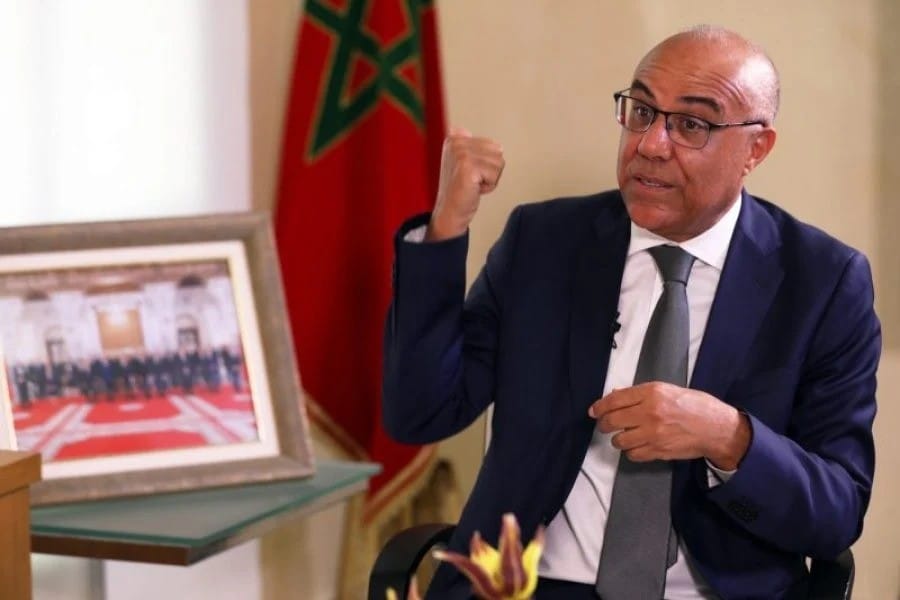
Rabat – Morocco is ramping up its efforts to train engineers with approximately 11,000 students graduating annually across various specialties, Abdellatif Miraoui, the Minister of Higher Education, Scientific Research, and Innovation, said in a recent interview.
Miraoui emphasized the significance of this training initiative, noting that around 19,000 holders of master’s degrees can also be classified as engineers based on their specific areas of expertise.
This extensive training program is part of a broader strategy aimed at enhancing the skills of the workforce in alignment with the country’s economic needs.
To further boost these numbers, Miraoui said his ministry is establishing centers of excellence within science faculties and developing three-year integrated courses modeled after the prestigious Grandes Ecoles.
Currently, the training landscape boasts nearly 3,000 new courses that span a wide array of fields, catering to the evolving demands of the job market.
According to Miraoui, students are increasingly gravitating towards sectors that address contemporary labor needs, particularly in digital professions such as data science, artificial intelligence, and cybersecurity.
In response to regional job market needs, the ministry has undertaken a series of Regional Conferences as part of the Plan d’accélération de la transformation de l’écosystème d’enseignement supérieur, de la recherche scientifique et de l’innovation (PACTE ESRI 2030).
Read also: Dual Engineering Degrees Awarded at Arts et Métiers Campus in Rabat
These conferences have equipped universities with a clearer understanding of their local training requirements, allowing for a tailored educational approach.
Miraoui noted that the employability of graduates hinges not only on the quality of higher education but also on the economy’s capacity to create jobs and foster growth.
In this context, the minister announced several initiatives aimed at bridging the gap between education and employment.
These include the expansion of accredited professional training courses, the introduction of innovative programs that respond to labor market changes, and the integration of cross-disciplinary skills into curricula.
The minister also emphasized the vital role of private higher education within Morocco’s educational ecosystem.
While private institutions maintain autonomy in managing their training programs, they must adhere to the same stringent quality standards as public universities.


