


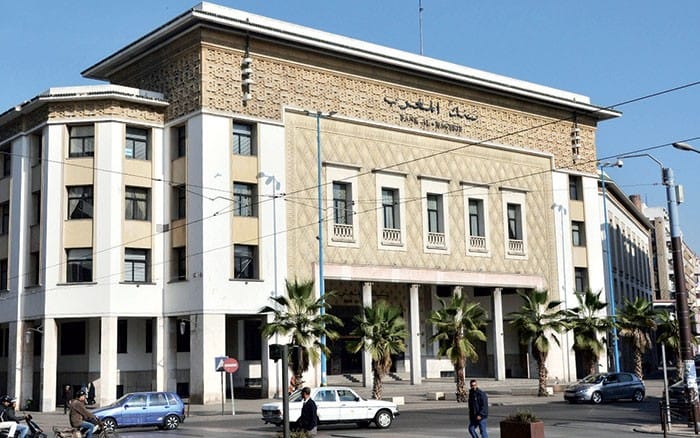
Rabat – Bank Al-Maghrib (BAM), Morocco’s central bank, showcased its efforts to address climate risks and promote green finance during a side event at COP29 in Baku, Azerbaijan.
Held at the Moroccan Pavilion, the event showcased BAM’s strategic initiatives to mitigate financial vulnerabilities linked to climate change while fostering sustainable financial practices.
Najwa Mouhaouri, head of BAM’s Green Finance Unit, outlined the bank’s multifaceted approach to advancing green finance during her remarks at the event. .
These efforts include raising awareness within the financial sector, hosting workshops on risk management, and facilitating dialogue among stakeholders. BAM is also exploring partnerships to analyze trends, challenges, and opportunities in Morocco’s green banking market.
Mouhaouri stated that BAM’s initiatives align with Morocco’s Low Carbon Strategy 2050 and its commitment to managing climate-related risks.
She noted the bank’s engagement with international networks such as the Network for Greening the Financial System (NGFS) and the Sustainable Banking and Finance Network (SBFN). These affiliations enable BAM to adopt global best practices in sustainable finance and climate risk management.
As part of its regulatory efforts, BAM has issued a directive encouraging Moroccan banks to integrate environmental considerations into their strategies. This directive includes guidelines on governance, risk management, training, and transparent reporting.
Such measures aim to enhance the sector’s resilience against climate-related disruptions while advancing Morocco’s energy transition goals and nationally determined contributions (NDCs).
The event took place against the backdrop of the 29th Conference of the Parties (COP29) to the United Nations Framework Convention on Climate Change (UNFCCC), which is being held from November 11–22.
Hosted in Baku, COP29 is focusing on climate finance as a key theme, urging wealthier nations to fulfill funding commitments to help developing countries reduce emissions and adapt to worsening climate impacts.
This year’s conference brings together political leaders, business executives, youth activists, climate scientists, and representatives from civil society and Indigenous communities to drive collaborative climate action.
However, the presence of 1,770 fossil fuel lobbyists—some integrated into official delegations—has sparked concerns among NGOs about potential conflicts of interest.
COP29’s location of Azerbaijan has also stirred criticism, as it is a major world producer of crude oil.




