


 Join on WhatsApp
  Join on Telegram
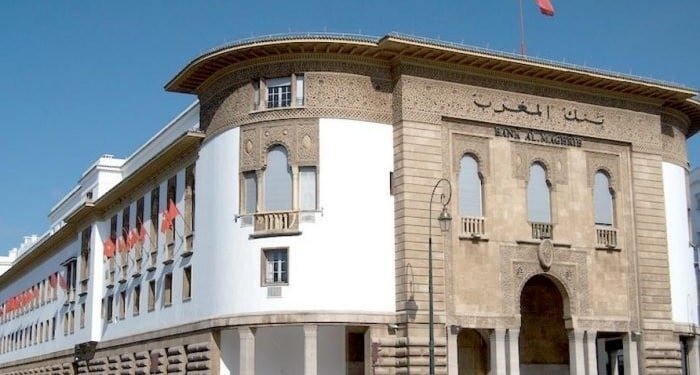
 Rabat – Bank Al-Maghrib (BAM), Morocco’s central bank, has announced plans to establish a secondary market for non-performing–or unpaid–loans (NPLs). This initiative aims to make it easier for banks to transfer unpaid debts, which have grown significantly in recent years.
The reform will simplify legal processes, such as removing the need for debtor consent and streamlining debt recovery notifications.
The announcement was made on Thursday by the Director General of the Central Bank, Abderrahim Bouazza, during a conference organized by BAM and the International Finance Corporation (IFC) in Casablanca. Bouazza outlined the objectives of the new initiative. He explained that the proposed law aims to eliminate legal barriers that currently make it difficult to transfer such loans directly.
The growing problem of non-performing loans
Bouazza spoke about the urgency of the reform, noting that the volume of NPLs held by banks has more than doubled over the past decade, reaching over MAD 98 billion, approximately 7% of GDP. This represents 8.6% of total bank credit.
The rise in unpaid loans is attributed to several factors, including economic challenges, sector-specific difficulties, and high levels of debt. Bouazza warned that the situation could worsen due to recent global economic shocks and increasing international uncertainty.
“Non-performing loans remain on bank balance sheets for extended periods due to the delays associated with their recovery, whether amicable or judicial,” he added. Tax rules also require banks to keep NPLs on their balance sheets for at least five years after exhausting all recovery efforts.
Impact on banks
Bouazza said that non-performing loans create significant costs for banks. Managing these loans ties up resources, impacts liquidity, and requires additional capital reserves to meet solvency regulations.
Currently, banks in Morocco face an average liquidity shortfall of MAD 120 billion. BAM is covering this gap, but expects the development of a secondary NPL market to help reduce the deficit over time.
The conference also brought together stakeholders to discuss the progress and future of the reform. Bouazza noted that the initiative has been guided by an inter-institutional committee under the government’s general secretariat. The committee includes representatives from various ministries, the judiciary, and the National Commission for the Protection of Personal Data.
Read also: BAM: Morocco’s Household Debt, Loans Rise Amid Economic Crisis
This reform has been carried out inclusively, with strong contributions from the banking sector, Bouazza said, noting that broad consultations helped adapt the framework to market realities and identify potential challenges.
The secondary NPL market aims to provide a transparent and efficient platform for banks to sell their non-performing loans. This would reduce the burden on banks, improve liquidity, and free up resources for new investments. Bouazza expressed optimism that the new market would contribute to a stronger and more resilient financial sector in Morocco.


