


 Join on WhatsApp
  Join on Telegram
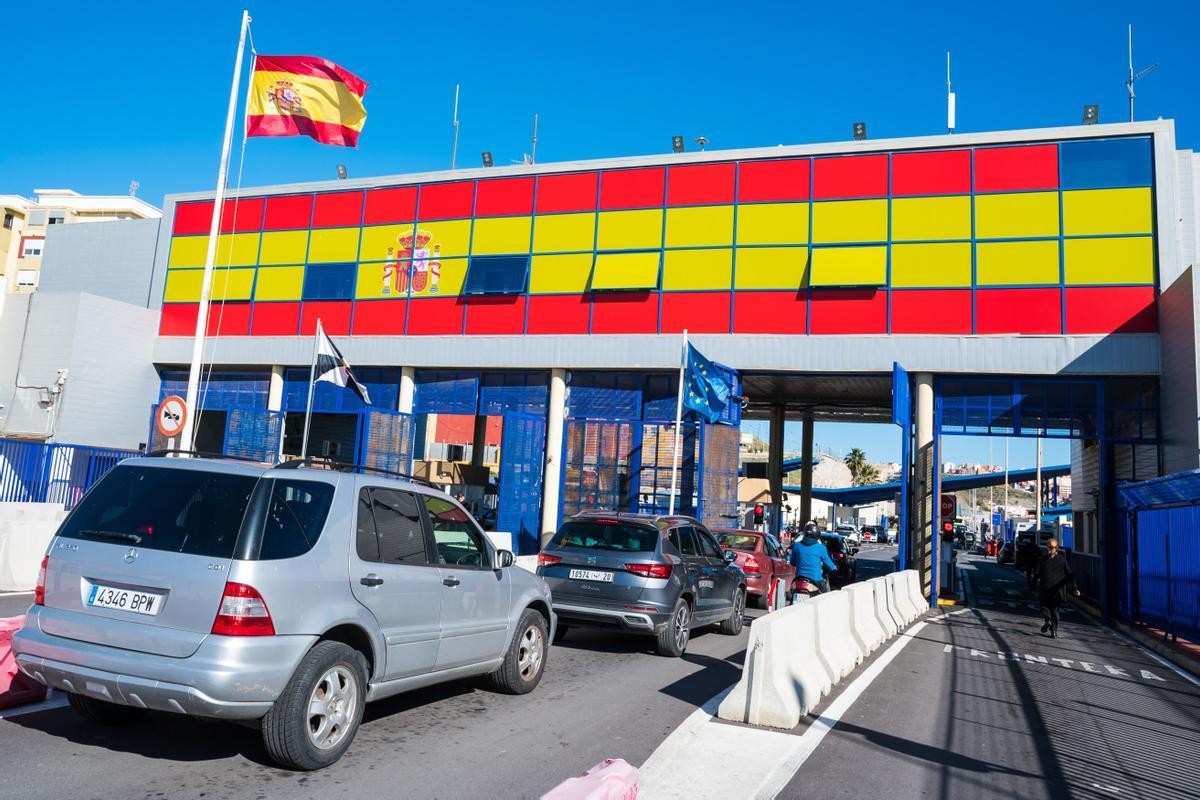
 Doha – Spain’s Interior Minister Fernando Grande-Marlaska has strongly rejected claims about alleged Moroccan obstacles in reopening customs offices in Ceuta and Melilla, emphasizing that delays stem purely from technical considerations that require further refinement.
According to Spanish media reports, Grande-Marlaska made these statements on Thursday during the inauguration of a new Police and Customs Cooperation Center in Tui, Pontevedra.
The minister defended the current negotiation process between both countries, describing it as grounded in “maximum loyalty and cooperation.”
“What I make clear is that the degree of Spanish-Moroccan cooperation and collaboration is manifestly important, relevant, and of the utmost loyalty and reliability,” Grande-Marlaska stated, addressing journalists’ questions about the customs situation.
He further emphasized that both countries are currently engaged in negotiations following an “important agreement” based on mutual cooperation.
When questioned about why the customs offices hadn’t reopened after years of closure, the minister pointed to “technical matters that need to be specified,” noting that technical bodies are now working “decisively” on the implementation.
Spanish media campaign
Spanish outlets have intensified their coverage of the customs issue, with several publications adopting confrontational positions regarding Morocco’s role in the process.
El País, a pro-government newspaper, disclosed alleged restrictions on commercial flow, claiming operations would be limited to one truck daily in both directions at each customs point, exclusively during working days between 10 a.m. and 4 p.m.
The Spanish press highlighted what they termed as a “failed attempt” at reopening, reporting that Moroccan authorities halted a van’s entry after 11 hours of processing in Melilla.
Additionally, they detailed how another truck was stopped at the Tarajal border in Ceuta after crossing from the Spanish side.
According to detailed accounts from Spanish media, the owner of the export company Agencia Quiles, Juan Francisco Pérez Quiles, confirmed that his vehicle returned to Melilla around 8:30 p.m. after spending the entire day in Moroccan territory.
The company had reportedly received approval from Spanish customs, which had verified the cargo and confirmed compliance with all requirements, including proper sealing and necessary customs documentation.
Spanish opposition parties seized the opportunity to escalate tensions, with Popular Party spokesperson Borja Sémper questioning whether Prime Minister Pedro Sánchez was “paying a toll to Morocco.”
The PP spokesperson went further, suggesting implications about potential sensitive information regarding the Spanish Prime Minister.
Meanwhile, Spanish business associations and the Unified Association of Civil Guards released statements criticizing the bilateral agreement’s terms.
The Civil Guards Association specifically expressed concern about what they described as “conditions imposed by Morocco that directly affect the work of civil guards and the sovereignty of the autonomous cities.”
The customs points have remained closed since 2018, with Spanish authorities now attempting to establish new operational protocols in coordination with Moroccan counterparts.
Spanish Government delegate Sabrina Moh defended the process, dismissing claims of Moroccan impositions and maintaining that the document limiting bilateral trade “is not official.”
The reopening initiative dates back to April 2022, when Spanish Prime Minister Pedro Sánchez announced the agreement during a high-level meeting in Rabat.
Foreign Minister José Manuel Albares had initially indicated the customs would be operational in early 2023, though the implementation has faced various technical adjustments since then.
Read also: Samir Bennis: Spain Must Return Its African Enclaves To Morocco


