


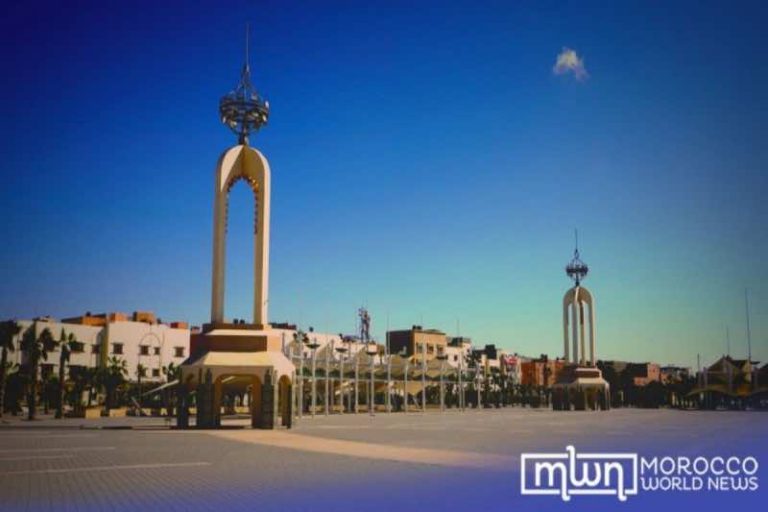
The Economist’s recent article, “Morocco is practising a strange sort of colonialism,” misrepresents Morocco’s presence in the Sahara region by reducing a complex political and developmental reality to a tired trope. By invoking the tired vocabulary of empire, The Economist obscures what is actually taking place on the ground: a story of reunification, investment, and shared prosperity – one anchored in the future, not the past.
Across Dakhla, Laayoune, and beyond, Morocco is pursuing the same national strategy that drives development in Tangier, Casablanca, the Rif, or the Oriental. Roads, ports, renewable energy projects, schools, and hospitals are not “giveaways.” They are part of a coherent vision of inclusive growth. The conviction behind this effort is simple: the Sahara’s future must be built with its population, not for them. That is why Morocco invests in its Sahara region as it does in every other region – because development and citizenship are indivisible.
This economic transformation is matched by political empowerment. Morocco’s autonomy initiative, advanced under its sovereignty, offers local populations the means to govern themselves democratically while benefiting from the opportunities of a united Morocco. It is not an imposed model but a proposal that has earned broad international endorsement. Three permanent members of the UN Security Council – the United States, France, and the United Kingdom – as well as Spain, the former administering power, have all described it as the only credible and realistic basis for a solution. Far from colonialism, it is an initiative rooted in dignity and diversity, advanced through UN-led mechanisms of peaceful dispute resolution.
Read also: Global Momentum Builds Behind Morocco’s Sovereignty Over Sahara at UNGA
The Economist finds Dakhla’s development “odd,” as though ports, universities, and cultural investment had appeared in a vacuum. In reality, they are the fruits of Morocco’s sustained commitment to governance and human development. Likewise, invoking “indigenous” status without reference to international law distorts the debate. The Sahara has long been home to nomadic tribes whose kin span Morocco, Mauritania, and the Sahel.
Even if one applies the framework of the UN Declaration on the Rights of Indigenous Peoples, the conclusion is clear in its article 4: self-determination means autonomy and self-government, not secession. To label Morocco’s policy colonial while ignoring these standards is a rhetorical sleight of hand, not serious analysis.
Morocco will not apologize for preparing a better future for its citizens. The Sahara’s transformation is visible in bustling cities, renewable energy plants, and young entrepreneurs shaping new industries. These are not symbols of domination, but of hope and opportunity. The path forward lies not in recrimination but in confidence: that political solutions and economic opportunity can converge to create lasting peace.
Yes, Dakhla is booming – like many other Moroccan regions. Not because of “a strange sort of colonialism,” but because the Sahara is firmly anchored in Morocco, increasingly open to the world, and central to Africa’s future. That is the reality on the ground, and it is a future Morocco embraces with determination and optimism. To persist in the colonial tired trope is not analysis; it is nostalgia. Perhaps it is The Economist’s eurocentric and paternalistic commentary that has yet to decolonize, not Morocco.




