


 Join on WhatsApp
  Join on Telegram
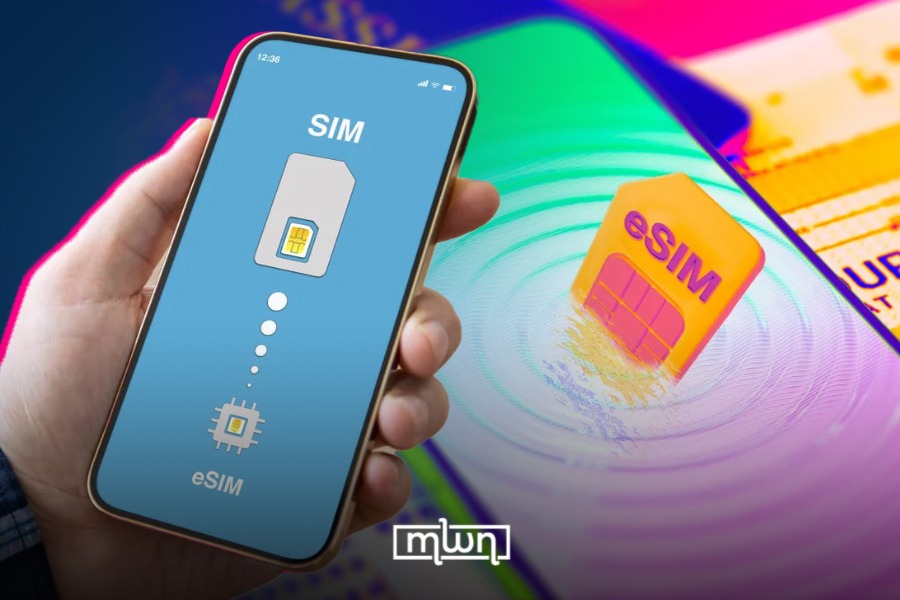
 The transition from physical SIM cards to eSIMs (embedded SIMs) has sparked a mix of excitement and concern. Many travelers, business professionals, and tech enthusiasts embrace the convenience of eSIM technology, but security remains a major talking point. Are eSIMs truly secure, or do they open new vulnerabilities for hackers? Let’s break down the myths, examine the facts, and explore how secure eSIM technology really is.
Understanding eSIM Security: The Basics
One of the biggest misconceptions about eSIMs is that they are inherently less secure than traditional SIM cards. However, the opposite is true. eSIM technology follows strict security protocols, often exceeding the security measures of physical SIMs. Since eSIMs are soldered into the device, they cannot be physically stolen or swapped out, which significantly reduces the risk of SIM card cloning or theft.
With eSIM technology, network profiles are downloaded digitally and protected by encryption, making unauthorized access extremely difficult. Providers like eSIM Plus prioritize security by implementing strong authentication measures and remote management capabilities to prevent unauthorized profile installations.
Debunking Common eSIM Myths
Myth #1: eSIMs Are More Vulnerable to Hacking
Reality: eSIMs follow the same security protocols as traditional SIM cards but have additional layers of protection. Physical SIM cards can be removed, stolen, or swapped, exposing users to SIM swap fraud. eSIMs, on the other hand, require cryptographic authentication and remote provisioning, reducing the likelihood of such attacks.
Myth #2: eSIMs Can Be Remotely Wiped Without Permission
Reality: While eSIMs can be remotely managed, this functionality is controlled by network providers and device manufacturers. Unauthorized remote wiping is nearly impossible because it requires authentication through encrypted channels. Users always have control over their eSIM profiles via their devices.
Myth #3: eSIMs Lack Privacy Protections
Reality: eSIM technology actually enhances privacy. Since there is no physical card to be stolen, eavesdroppers have fewer attack vectors. Moreover, eSIMs adhere to global security standards, ensuring that users’ data remains encrypted and protected from third-party access.
How eSIMs Enhance Security
1. No Physical Theft or Cloning
Traditional SIM cards can be removed and cloned by malicious actors. Because eSIMs are embedded within devices, they cannot be easily extracted, making cloning much more difficult.
2. Encrypted and Secure Profile Management
Each eSIM profile is stored in a secure environment within the device and is encrypted, ensuring that only authorized users can access or modify the profile. The remote provisioning of eSIMs is protected by strict authentication protocols.
3. Multi-Factor Authentication (MFA) for Profile Activation
Many eSIM providers require multi-factor authentication (MFA) before activating an eSIM profile, adding another layer of security. This prevents unauthorized installations, further reducing fraud risks.
4. Resistance to SIM Swap Scams
SIM swap fraud is a common attack where cybercriminals transfer a victim’s phone number to another SIM card to intercept messages and calls. Because eSIMs require secure digital provisioning, this type of fraud is much harder to execute.
Top eSIM Providers with Strong Security Measures
If you’re looking for a reliable eSIM provider, security should be a top priority. Here are some of the leading eSIM providers known for their secure services:
1. eSIM Plus
A well-established provider offering secure and flexible eSIM solutions for travelers and business users. eSIM Plus prioritizes encryption, remote management security, and compliance with global security standards to ensure safe and seamless connectivity. Their user-friendly app allows easy activation and switching between plans, making it a preferred choice for those who need reliable international coverage. The company continuously updates its security measures to stay ahead of potential cyber threats, offering users peace of mind when using their services.
2. Airalo
One of the pioneers in the eSIM industry, Airalo offers a secure, global eSIM marketplace with strong authentication and user verification measures. They provide access to affordable data plans across multiple regions, ensuring users can stay connected without worrying about hidden fees. Security measures include encrypted profile downloads and real-time fraud detection. Airalo’s customer support team is available to assist users with troubleshooting security-related concerns, further enhancing trust in their platform.
3. Holafly
Known for its focus on travel eSIMs, Holafly ensures data privacy through encrypted profile management and strict authentication procedures. The company specializes in unlimited data plans, making it ideal for travelers who require constant connectivity. Holafly’s secure platform prevents unauthorized access to user profiles, and they regularly audit their systems to address vulnerabilities. Their partnerships with major carriers ensure a stable and safe connection, reducing the risk of network-related security breaches.
4. Ubigi
Ubigi is another reputable provider with a strong emphasis on secure connections, offering multi-factor authentication and encrypted provisioning for its users. Their eSIM services cater to both individual consumers and businesses, ensuring high security standards across all platforms. Ubigi’s robust firewall protections help safeguard user data from cyber threats, and their seamless integration with various IoT devices makes them a preferred choice for enterprises looking for a secure connectivity solution.
5. Truphone
Truphone is a major player in the eSIM market, providing high-security enterprise-level eSIM solutions with end-to-end encryption and tamper-proof technology. Their eSIMs support global roaming without compromising on security, making them a reliable option for international travelers and businesses. Truphone implements continuous security monitoring to detect and mitigate potential threats before they impact users. Their enterprise clients benefit from advanced security protocols that protect sensitive corporate communications and data.
So, are eSIMs Secure?
The short answer: Yes, eSIMs are highly secure and even more resistant to certain types of fraud than traditional SIM cards. With built-in encryption, remote management security, and resistance to physical tampering, eSIMs offer a robust alternative to physical SIM cards. While no technology is completely immune to cyber threats, eSIMs minimize many of the risks associated with traditional SIM technology.
By choosing a reputable eSIM provider like eSIM Plus, Airalo, or Holafly, users can enjoy the benefits of eSIMs without compromising on security. Whether you’re a frequent traveler, a business professional, or just looking for a more flexible mobile experience, eSIMs provide a secure and efficient solution for staying connected.


