


Rabat – Representatives of Iran, China, Russia, France, Germany, and the United Kingdom are reconvening in Vienna to restore the 2015 nuclear deal.
An agreement satisfying everyone still seems far off as the rift between the negotiating parties is big.
The seventh round of talks resumed on Thursday after a week-long break.
The talks are missing the presence of the US, whose top representative Robert Malley is expected to lead a delegation to Austria this weekend.
The US unilaterally left the accord and talks in 2018 and imposed sanctions on Iran.
Although US President Joe Biden has expressed desire to restore the country’s role in the talks, Iran still refuses to negotiate with the US directly since the withdrawal.
Iran and the rest of the negotiating countries seem to still disagree on lifting sanctions and on how Tehran needs to scale back its nuclear program.
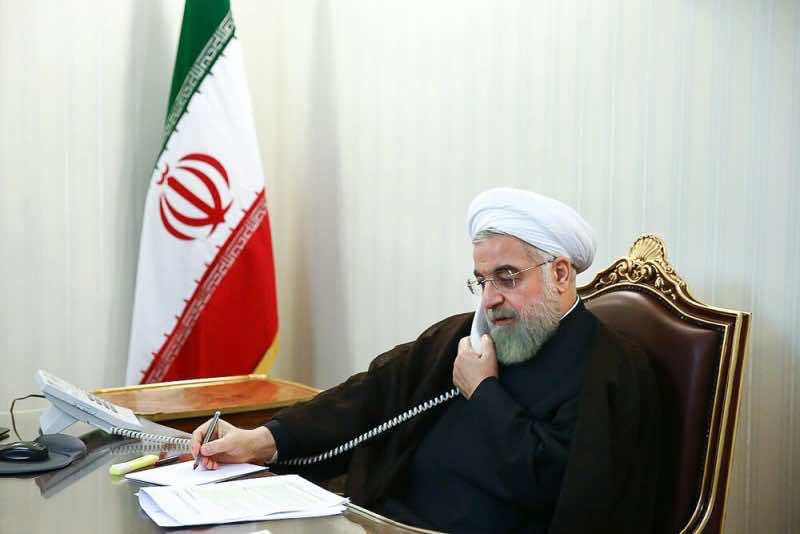
The conservative Iranian government wants the signatories to “consider its new political sensibilities,” as the previous text of the accords was negotiated under moderate President Hassan Rouhani.
The European countries and the US say the demands by Iran show that they are not serious about returning to the agreement and limiting the nuclear program.
Iran is also looking to get the sanctions by the US lifted and for guarantees that the US will stay committed to the deal.
The Biden administration tightened sanctions on Iran two days ago, and reports say the US is also looking to instruct other countries, especially its allies, to stop trade and dealings with Iran. Iran maintains that it is not seeking a nuclear weapon, which has been confirmed by the International Atomic Energy Agency (IAEA) as the country does not enrich uranium to the required purity to make a bomb.
But IAEA officials, who have started talks with the Atomic Energy Organization of Iran (AEOI) to discuss the Iranian question, insist that Iran still needs to grant access to more inspectors to gain the trust of its international counterparts.




