


 Join on WhatsApp
  Join on Telegram
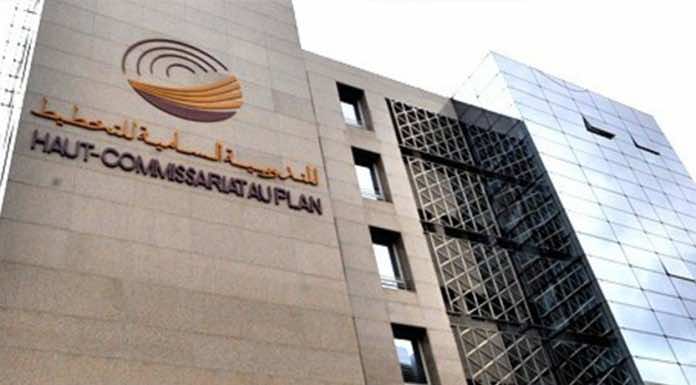
 Rabat – Morocco’s High Commissioner for Planning (HCP), in its latest report, reported an increase of 0.5% in the unemployment rate.
Rising from 12.3% to 12.8% at the national level despite the eased restrictions and a relaunch in economic activity, in the second quarter of 2021.
The sharp increase was most prevalent in urban areas, going from 15.6% to 18.2%.
In rural areas, the HCP notes a significant decline in unemployment rates, going from 7.2% to 4.8%.
This rate recorded a slight increase among men, from 11.3% to 11.9%, and women, from 15.6% to 15.9%. It decreased by 2.6 points among youth aged 15 to 24, from 33.4% to 30.8%.
The rural labor market’s situation in Q2-2021 can be explained by various factors, most notably, the government’s efforts to facilitate access to business start-up loans outside big Moroccan cities. The plan, announced in January 2020, was supported by the government and Moroccan banks, allowing for a revival of the rural economy, and a steady employment rate in the areas.
Regarding graduates, the unemployment rate recorded an increase of 2.2 points, from 18.2% to 20.4%.
Graduates of higher education experienced a 25.3% increase in unemployment, while graduates of medium education experienced a 17.6% increase.
The primary reason for this is the correlation between education and pay. In times of economic crisis, employers are less inclined to hire highly educated job seekers, and tend to favor people with a medium education level.
Compared to the second quarter of 2020, 128,000 more people were unemployed in 2021 than they were in 2020.
Unemployed Moroccans are at 1,605,000, against 1,477,000 last year.
The increase is set at 9%, and is due to the reduction of 100,000 jobs in rural areas and 228,000 in urban areas.
The rate of underemployment decreased from 13% to 9.2% at the national level, with a 12.2% to 8.9% fall in urban areas, and from 14.1% to 9.5% in rural areas.
People aged 25 to 34, those with no prior training or qualifications, showed the highest decreases in the underemployment rate.
On the other hand, the Moroccan economy created 405,000 jobs at the national level between Q2-2020 and Q2-2021, according to the HCP report.
King Mohammed VI reiterated the issue during his Throne Day speech on Saturday, July 31, and stated that although Morocco’s efforts in curbing the negative impact of the pandemic on the economy has brought about a positive result, the crisis is far from being over.
After the lockdown and constant restrictions on businesses, Morocco will require a few more months to fully recover.
New restrictions have been announced regarding the COVID19 situation in Morocco, and therefore, the relaunch may not bear results as soon as expected.


