 Join on WhatsApp
 Join on Telegram
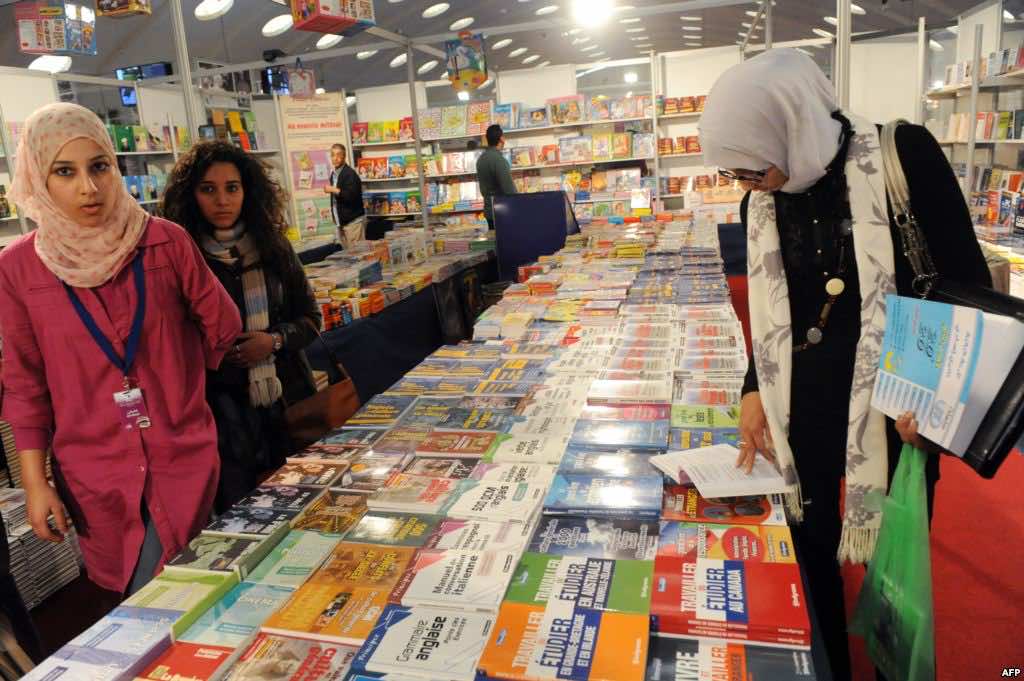
Casablanca – The Casablanca Fair for Books and Publishing (SIEL2012) is not only an opportunity for publishers to market their books whose appeal has waned in the last decade. The 2012 SIEL is equally a big forum for debates and discussions, notably about publishing issues and current events. The organizers of the Casablanca book fair scheduled a series of meetings correlating Moroccan youth to different crucial issues namely reading, political participation and citizenship. The discussion about youth and media was organized last Thursday in the stand of the Moroccan Ministry of Education, facilitated by Karima Ghanem.
The process of socialization whereby individuals acquire a set of social norms is partially determined by exposure to media. Viewers, especially adolescents who are still assembling the building blocks of their personality, are subjected to numerous encounters with the media. Thus, the typology of programs they are exposed to on a regular basis can influence their behavior and shape their choices in life.
Moroccan youth are incrementally dissatisfied with the programming of Moroccan TV channels. The participants in the open discussion shared their point of view about the current state of Moroccan media. Many young activists expressed mistrust towards state-run media, namely 2M and Al Oula. They believe that their programs, especially the news, pass through the filter of censorship. One of the participants referred to the latest clash between Taza residents and security forces. He argued that the national TV channels presented a shallow and over-simplistic portrayal of the unrest in Taza.
Young participants confessed that they feel alienated towards a myriad of Moroccan programs, as the latter programs do not mirror the Moroccan viewers’ interest and concerns. They also underscored an alarming decrease in cultural initiatives that remain totally eclipsed by a compilation of “stupid” programs.
There is obviously a growing discontent with the Moroccan media’s performance. Moroccan tax-payers believe that TV channel executives are accountable to Moroccans; therefore they are required to design their programs in deference to national identity and cultural diversity.
On the other hand, some participants expressed concerns over the predominance of the Islamist narrative in public media. Karima Ghanem made it clear that it is difficult to purge media discourse from political ideas. Indeed, the majority of political parties often sketch their political agenda in accordance with their ideology. However, these variations should not undermine the national identity. Ghana stressed that there was, indeed, a “media blackout” regarding the situation in Taza and that the national channels’ coverage was “selective” and “biased.”
In the current conjecture, Moroccans cannot possibly tolerate this amount of negligence and irrelevance in the Moroccan media. They are demanding wholesale reform in the media and communication sector. Many programs lately broadcasted on 2M have prompted a vivid reaction among people and in the press. Astonishingly, this genre of programming has thrived lately while officials remain totally inattentive to popular demands. Meanwhile, many disgruntled viewers have already cut the umbilical cord to their local channels and have turned to foreign media for solace.
Forthcoming event in the SIEL 2012:
Saturday, February 18th from 3h00 to 5h45 , The Arab Spring with an outsider outlook, Conference Hall Mohammed Berdouzi
Saturday, February 18th from 04h00 to 05h45, Women and the Arab Spring, Conference Hall Saleh Cherki.