 Join on WhatsApp
 Join on Telegram
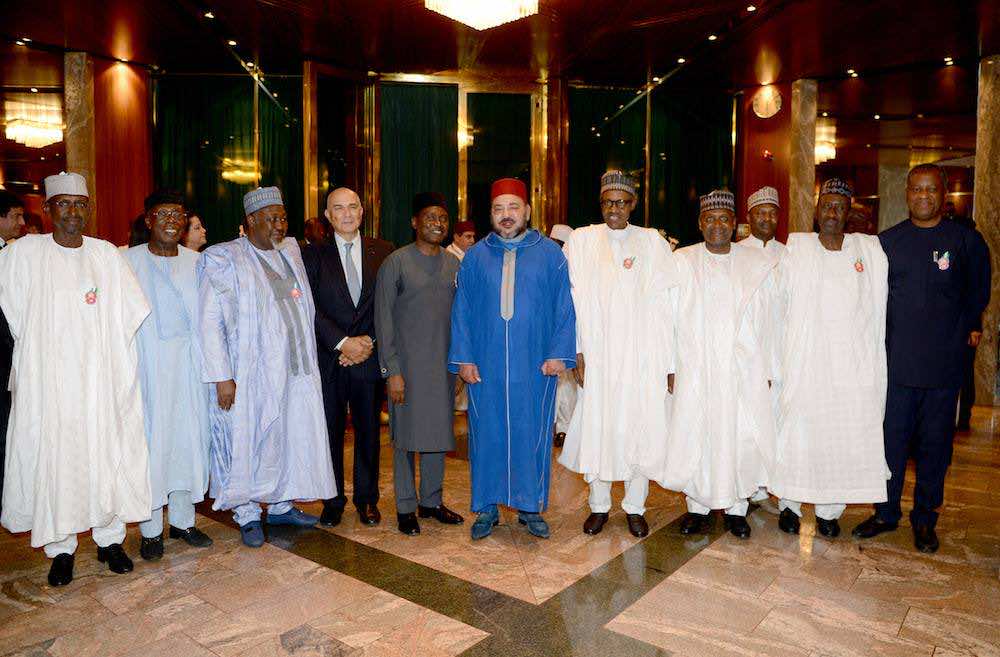
Washington D.C. – After reading the African press’ glowing reviews of King Mohammed VI’s visit to Nigeria, it is tempting to claim a Moroccan diplomatic victory in Africa and call it mission accomplished.
However, history has showed us that the Monarch’s successful stays do not always translate into long political partnerships with the host countries. This is due in large part to Morocco’s inconsistent and muddled diplomatic presence on the continent.
The Monarch’s diplomatic accomplishments are only the beginning of a long and tough battle to safeguard and expand recent political gains in Africa. Algeria and its allies are gearing up for a tough fight. For Moroccans, the question is whether their diplomats are capable of defending and advancing their country’s agenda.
Past “crises” have shown that Moroccan diplomacy has struggled to keep up with the delicate and fast changing elements of the Western Sahara conflict. Yet, it is never too late for the Moroccan diplomats to learn from mistakes, make the necessary changes and move forward.
To appreciate the importance of keeping up political and diplomatic exchanges with key African capital, it is essential to understand the history of African support of the Algerian positions in the Western Sahara conflict and the varied channels the Polisario have used to inform and lobby African leaders on this subject.
Moroccan officials in charge of the Sahara dossier need to review the local approach and actions of Polisario representatives in places like Abuja and Nairobi. Most importantly, they should be able to act and respond quickly and decisively when Algeria tries to erase and counter Rabat’s moves. Alas, the speed of the Moroccan diplomacy has been often deplorable, especially in Africa.
In many instances, foreign ministry officials and policymaker are no longer the target of diplomatic outreach and lobbying. Algeria with the help of left wing European advocacy groups, sympathetic international foundations, and non-governmental organizations has sanctioned public diplomacy agencies to act as diplomatic representatives for the Polisario. This approach has paid off big for the Algerians in the Western Sahara.
On the other hand, the multipolar nature of the Moroccan foreign policy apparatus makes the Kingdom look indecisive and reactive with limited goals. This Moroccan ineptitude has made it easy for the Algerian diplomacy, using the Polisario representatives particularly in African and Latin American capitals, to undermine Rabat’s efforts.
Even though the King has kept most of the foreign affairs decision-making powers within the Palace, it is sometimes confusing to decipher the one entity in charge of formulating and executing diplomatic counter-offensives when Algeria strikes.
In fact, the success of the Royal visits demonstrates the power of the Moroccan diplomacy when it is converged in one institution and one person. Thus, it will be important to delegate the executive aspects of the foreign policy to one person, be it a Royal adviser, a political appointee or a career diplomat.
Although the idea of a centralized decision making arrangement at the Palace level has undoubtedly been successful, a more explicit division of roles at the executive level will pay more political dividends. A more comprehensive approach will help in countering Algeria’s non-traditional diplomacy.
After years of tourism diplomacy, Moroccan diplomats should work harder to safeguard the new diplomatic gains that the King has achieved through his many trips around the continent.
The most worrisome aspect of upcoming diplomatic battles in Africa, and ultimately Latin America, is Moroccan officials refusal to address the negative implications of the current multifaceted “foreign affairs system” which has different chiefs pushing diverse agendas.
Furthermore, Moroccan diplomats and politicians are often criticized for their indifference and many times ignorance of the history and the legal aspects of the Sahara conflict. Such obliviousness is unacceptable particularly when Morocco need to keep international institutions abreast of the latest details of the conflict with Algeria. Officials must adapt to these new realties if they want to win; if not all of the King’s efforts will go up in smoke.
© Morocco World News. All Rights Reserved. This material may not be published, rewritten or redistributed without permission.
The views expressed in this article are the author’s own and do not necessarily reflect Morocco World News’ editorial policy.