


 Join on WhatsApp
 Join on Telegram
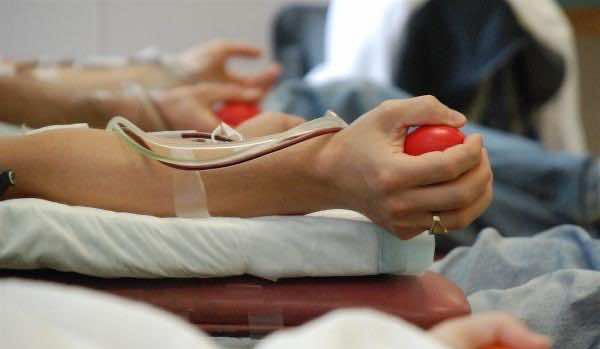
Rabat – A total of 297,000 Moroccans, or 0.9 percent, donated blood during the National Blood Donation Day on Monday – a rate far lower than the one recommended by the World Health Organization (WHO).
The international association recommends that three percent of a country’s population donate blood to meet the needs of a nation’s sickest citizens. So far, Morocco has only been able to meet one-third of that goal.
Mohammed Khoudairi, the secretary-general of the National Health Association, which is affiliated with the Moroccan Labor Union, said there are not enough regional blood donation centers to cover the needs of all citizens. Casablanca, the city with the largest blood demand in the kingdom, only operates a single donation center.
The center’s waiting area does not have enough room to host the donors who travel across the Casablanca-Settat region to give blood, according to the health official, who added that the low number of employees also limits the efficiency of the donation process, making the experience far more time-consuming than it needs to be.
The ambiguous relationship between the Regional Delegation of Health and the National Administration for Blood Transfusions complicates matters further because the organization’s roles overlap – causing miscommunication and stalling progress.
He suggested adding a ticket-based numbering system for those who enter the donation hall to make queues apparent and designating rest areas for donors who have just completed the process.
“We must create campaigns and make real political decisions to implement the pre-approved developmental outlines in this field,”Khoudairi said.


