


 Join on WhatsApp
  Join on Telegram
 El Salvador has experienced significant democratic backsliding and a drift towards populist authoritarianism in recent years.
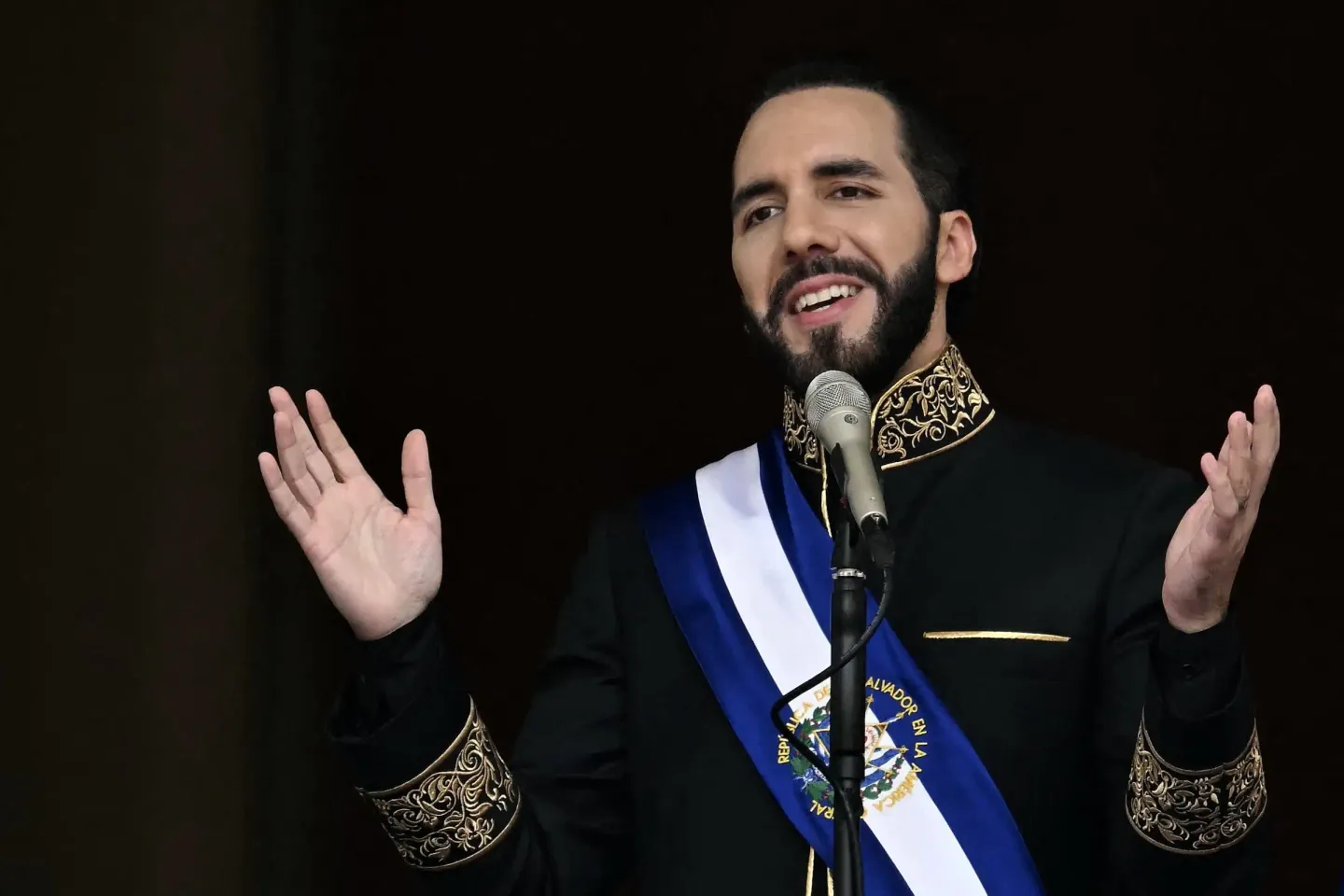
On July 31, El Salvador’s Congress approved constitutional amendments allowing President Nayib Bukele to run for re-election indefinitely. Fifty-seven members voted in favour, while three opposed the legislation. The reforms permit indefinite presidential re-election, extend presidential terms from five to six years, and abolish run-off elections.
The reforms will also shorten the president’s current term to synchronise presidential, legislative, and municipal elections in 2027.
This move is widely seen as enabling Bukele’s New Ideas party to consolidate greater control over the country amid growing authoritarian tendencies.
The Constitutional Chamber of the Supreme Court, packed with Bukele-appointed judges, previously authorised his re-election bid in 2024.
After the vote, Bukele told reporters he “did not think a constitutional reform would be necessary,” yet dodged questions about running for a third term.
Bukele, a populist, rose to power promising sweeping economic reforms and a heavy-handed crackdown on criminal gangs, echoing Duterte’s approach to the war on drugs.
Ernest Castro, president of the legislative assembly, addressed Congress: “Thank you for making history, fellow deputies.”
However, opposition figures have condemned the reforms. Marcela Villatoro from the National Republican Alliance declared, “democracy has died in El Salvador.” Claudia Ortiz of the Vamos Party labelled the changes “an abuse of power and a caricature of democracy.” Miguel Montenegro of the Human Rights Commission of El Salvador criticised the reforms, saying they “led to a total imbalance in democracy that no longer exists.”
These constitutional changes are widely seen as an effort by Bukele to cement his grip on power and suppress opposition.


