By Neaman Lerhmari
Rabat – The Court of Auditors revealed the under-spending of the Fund for Social Cohesion in a report delivered at the House of Representatives on Tuesday. The fund totaled MAD 15 billion in cash flows from 2012 to 2016, but it spent less than half that amount on the four projects it funded for those four years.
The creation of the Fund for Social Cohesion was laid down in 2012’s Finance Act and made effective starting in 2014. The following programs benefit directly from its funding: “Tayssir” to combat early school leaving, “One Million Schoolbags,” RAMED healthcare cards, and support programs for widows and people living with disabilities.
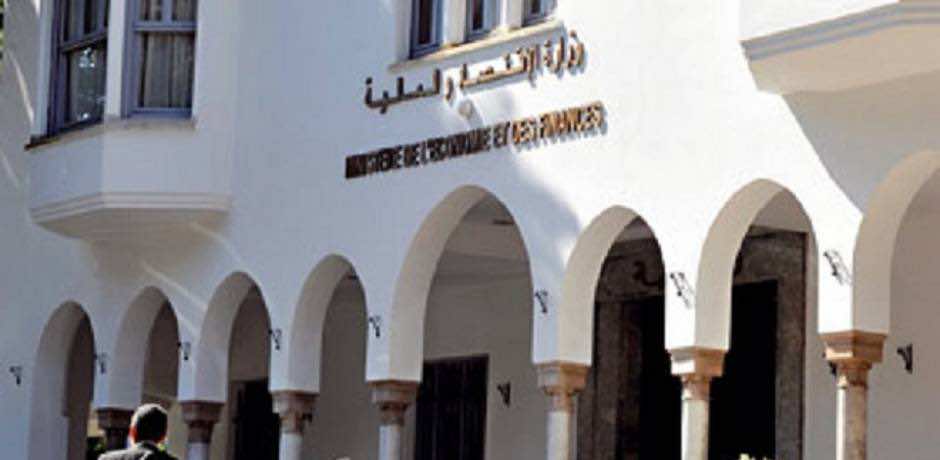
Upon the request of the Parliamentary Commission for Public Finance, the audit identified dysfunctions and lack of strategy in the implementation of the social programs and budget planning. The Court of Auditors held the Ministry of Finance, the body in charge of the fund, accountable for its malfunction.
According to the Arabic daily Akhbar Al Yaoum, the ministry explained that its lateness was due to the need to accumulate sufficient funds to run the previously cited programs, and to the lack of guidelines and legal framework to operate, which took the ministry two years to address.
From 2012 to 2016, the Fund for Social Cohesion generated MAD 15.3 billion in cash flows, but did not spend more than MAD 6.6 billion on the previously listed programs. The services that the funded programs provide could have been better in quality if they received more funding, said Akhbar Al Yaoum. For example, in 2016, the RAMED health care system entailed expenses of MAD 6.6 billion, the Ministry of Health only received MAD 3.53 billion, despite serving more than 80 percent of the public health care users.
The Ministry of Finance allocated unplanned budgets, an action that the Court of Auditors said was “contrary to the general rules of budget planning and laws organizing the Finance Act.” The line ministry argued that “the planned budget that line ministries ask for is unequal to the sum of the fund’s cashflow”
Speaking for the Court of Auditors, Mohamed Hadhoudi, the president of its third chamber, explained to the MPs that the strategy to strengthen social cohesion in Morocco is insufficient, along with “the comprehensive resource planning on the mid-term.”
Resource planning is not the easiest matter for the Ministry of Finance. The yearly cash flows are unsteady and change from one year to another: From MAD 2.2 billion in 2012, they skyrocketed to MAD 4.9 billion in 2016 before plummeting to MAD 3.2 billion.
In addition to the lack of planning, the magistrates also pointed to a lack of vision in the use of the resources in the said programs. The line ministries of the programs, the Ministry of Education, the Ministry of Health, and the Ministry of Solidarity, Family, and Social development, do not lack vision and strategy, they said, but need the proper monitoring and control framework over the projects.