 Join on WhatsApp
 Join on Telegram
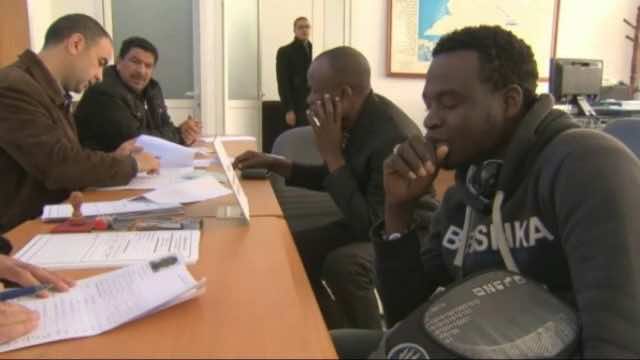
Rabat – The Commission Nationale de Recours de la Deuxième Opération de Régularisation (Morocco’s National Committee in Charge of Monitoring Immigrant Regularization) has recently announced that the country’s authorities are taking steps to regularize over 24,000 migrants.
According to the Commission Nationale, the move is a much-needed response to Morocco’s growing status as a “destination country,” as opposed to its previous “transit country” status.
As many immigrants are now choosing to establish themselves in Morocco, the Commission has decided to soften the requirements for granting papers to immigrants in Morocco in line with government policy. This is expected to facilitate the legal, as well as professional, integration of the thousands of immigrants in Moroccan territory.
The press release also mentioned that relevant authorities received around 28,400 applications. After a close scrutiny of the documents, the decision was made to grant legal status to over 24,000 people, thus giving them the rights to live and work in Morocco.
The Commission’s work seeks to create and promote an immigration-friendly environment, both in the workplace context and in society at large. The document also suggested that Morocco wants to emphasize a safe, organized, and beneficial immigration policy, as prescribed by the UN and other international organizations.
This campaign of softening immigration-related regulations follows “a fully humanistic philosophy,” the document said, adding that the decision to ease the eligibility for legal status aims at enlarging the number of beneficiaries.” The statement also put a special emphasis on King Mohammed VI’s personal push for immigration reform throughout the evolution of the process.
According to the National Commission’s statement, Morocco’s determination to reduce immigrations costs, including documentation and insertion of beneficiaries into new networks, is an indicator of King Mohammed’s unfailing support for good government practices and a legal framework oriented towards integration and inclusiveness.
Among the people to be granted legal status, the commission is said to have prioritized the following categories of immigrants: women and their children, unaccompanied minors, foreigners with a job but no valid contract, foreigners married to Moroccan nationals, and immigrants with a relatively good level of education but no legal residency.
For Driss Yazami, the commission’s president, Morocco is taking significant steps to minimize the burden and costs (social, economic, and psychological) of immigration.
By easing legal status requirements, and by granting papers to such a whopping number of people, the country, under the auspices of the King, is determined to prioritize, value, and respect the human dignity and rights of the people living in its territory, some members of the Commission told the press.