
 Join on WhatsApp
 Join on Telegram
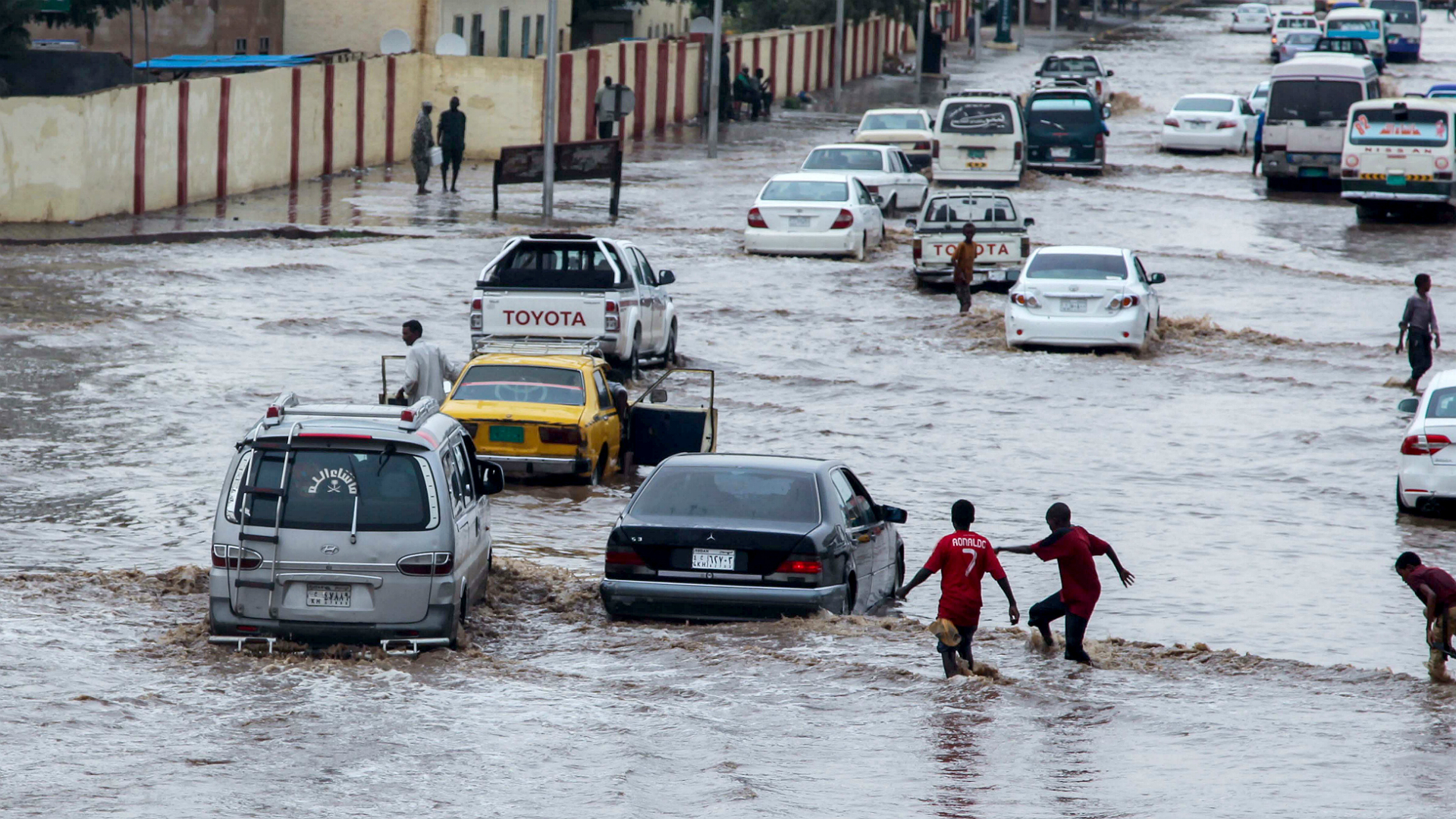
Rabat – Sudan has issued a red alert warning for potential floods along the Nile River as water levels rise, lasting from Monday to Wednesday.
Sudanese officials in Khartoum have issued a state of emergency for villages along the Nile, citing an extraordinary increase in water flow. The average water flow is estimated to be around 450-500 million cubic meters a day, which shot up to 750 million cubic meters per day.
The Nile water levels have risen well above normal levels as the discharge of water from dams upstream rises. The flooding forces Sudanese to sell their crops, threatening the harvest and the livelihood of the Sudanese people.
In the midst of a civil war, Sudan has a limited communications infrastructure that is capable of alerting residents to flooding. The government offers limited to no assistance for those affected by floods. Local officials have called on relief agencies to provide safety, food, and temporary housing for those impacted.
Ethiopia officially inaugurated the Grant Renaissance Dam (GERD) in early September, at which point it became the largest hydroelectric dam in Africa. The construction of the dam began in 2011 and concluded in 2025.
The GERD stands at the center of Ethiopian economic ambitions. In addition to the dam, Ethiopia has announced plans to build a new international airport, to construct 1.5 million housing units, and map out plans for a nuclear power program. The GERD is expected to double Ethiopia’s energy output, increasing electricity access to citizens.
Egypt has been apprehensive about the construction of the dam. An official recently reacted to the dam, explaining that it violates international law and threatens their water security.
As a precaution, Egyptian officials assert that it has the right to “take all appropriate measures to defend and protect the interests of the Egyptian people.”
The GERD sits on the Blue Nile, one of the two main tributaries of the Nile. Disruptions to the river flow of Blue Nile would be catastrophic for downstream neighbors.
Ethiopia’s Prime Minister, Abiy Ahmed, opined that the dam is meant to “electrify the entire region and change the history of black people.” Abiy further added that “it is absolutely not meant to harm its brothers,” referring to Ethiopia’s downstream neighbors, Sudan and Egypt.
Nevertheless, Egypt and Sudan are concerned with water shortages and the mismanagement of water. Some sources speculate that four of the turbines failed to operate, resulting in excess water flow into Sudan.