
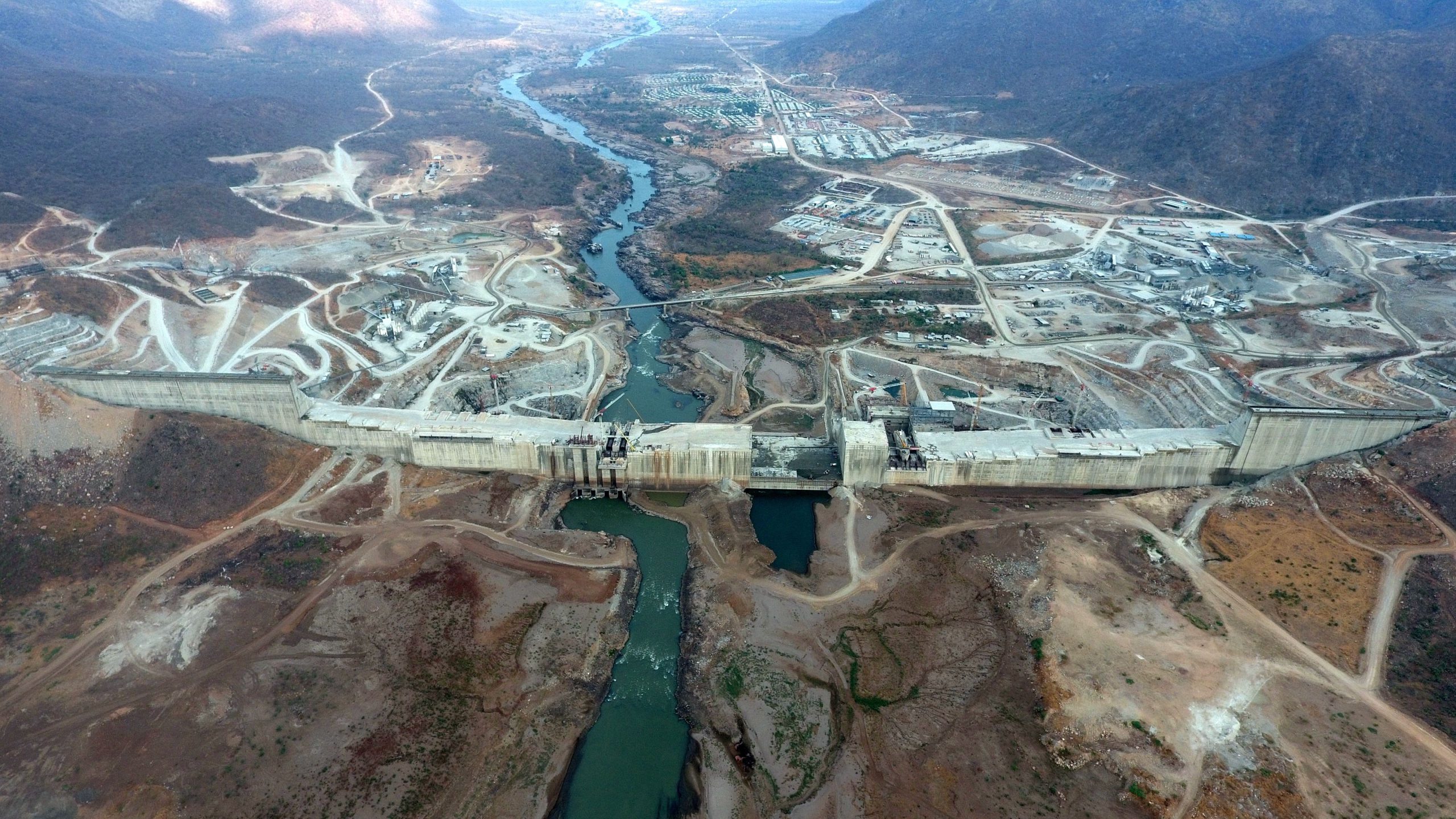
The Grand Ethiopian Renaissance Dam (GERD), a colossal hydroelectric dam project on the Blue Nile River, has garnered both praise and concern from countries in the region and international actors.
As this transformative project inches closer to completion, the diplomatic tensions – notably between Ethiopia, Egypt, and Sudan have escalated, causing disquiet and affecting the geopolitical dynamics of the region.
The GERD, initiated in 2011 and operational from 2022, is a source of national pride for Ethiopia, with hopes of achieving a more sustainable, self-sufficient energy future.
Ethiopia’s ambition to become the largest hydropower producer in Africa and to electrify millions of homes, boost industries, and create jobs presents a positive outlook. Nevertheless, increasing disputes concerning water-sharing arrangements have underpinned the root of escalating diplomatic tensions with Egypt and Sudan.
Egypt, primarily dependent on the Nile waters for drinking, agriculture, and industry, fears that the dam’s construction and operation might significantly reduce the flow of water downstream, impacting its availability for its population.
They contend that the slowing of the waters may worsen water scarcity, lead to economic setbacks, and possibly spark civil unrest. Sudan, on the other hand, is apprehensive about the dam’s potential for disrupting its water supply and exacerbating the existing water troubles in the region.
While Ethiopia maintains that the project’s gains outweigh the risks, it is important to consider the broader regional implications. Ethiopia’s Nile water utilization has not always aligned with the historical rights and agreements that advantage Egypt.
These comprise the 1929 Anglo-Egyptian Treaty and the 1959 Nile Waters Agreement, which granted Egypt the vetting power over any upstream projects. Undoubtedly, the GERD represents a shift in the region’s power dynamics, placing Ethiopia in a more influential position than ever before.
International action
Amid the tripartite negotiations mediated by the African Union, international players have taken on various roles. The United States, under President Trump’s administration, tried to mediate the dispute; this ultimately failed and led to Ethiopia accusing the U.S. of bias towards Egypt.
The European Union has also become engaged in the process, urging for a fair agreement honoring the parties’ interests and maintaining regional stability.
China, with its significant investments throughout Africa, has backed Ethiopia in the project by providing loans and technical support. Ethiopia’s ascent as an East African power aligns with China’s geopolitical ambitions on the continent, solidifying even more cooperation with Beijing.
However, China also maintains important strategic relationships with Egypt and Sudan, illustrating its vested interest in maintaining regional harmony.
Pakistan, albeit not a direct stakeholder, has consistently monitored the development of the GERD. As a recipient of Chinese investment through the China-Pakistan Economic Corridor (CPEC), the country pays close attention to its strategic partner’s initiatives.
Pakistan’s support for Ethiopia in completing the project enhances its relationship with China, further bolstering its position in South Asia.
What actions to take
Given these complex regional and global interests, it is crucial to seek a mutually satisfactory solution.
Ethiopia’s endeavors to eradicate energy poverty and establish itself as a significant power force on the African continent are commendable. The international community’s pragmatic stance and prioritization of equitable arrangements could contribute to striking a balance between Ethiopian aspirations vis-à-vis Egyptian and Sudanese concerns.
To mitigate tensions, Ethiopia must remain open to a fair, realistic agreement that addresses water rights and shares responsibilities. Acknowledging downstream nations’ apprehensions regarding water security and optimal operation of the dam is imperative. Crafting a solution that accommodates all parties involved can only be achieved through constructive, diplomatic dialogue
Moreover, the global powers involved should use their influence to prevent escalations and foster cooperation and transparency among the disputing parties. Striking a fine balance between supporting Ethiopia’s growth aspirations and ensuring the preservation of regional stability is the ultimate diplomatic challenge.
In conclusion, the GERD serves as a catalyst for change in the regional power dynamics in North-East Africa. The heightened diplomatic tensions demand a consensus-oriented approach in which Ethiopia, Egypt, and Sudan work together on managing the equitable distribution of Nile waters.
Global powers need to provide facilitative assistance, fostering an environment for a resolution that benefits everyone involved. This comprehensive approach ensures support for Ethiopia’s commendable developmental ambitions while protecting the fundamental water security concerns of neighboring countries.