

 Join on WhatsApp
 Join on Telegram
Rabat – The National Human Rights Council (CNDH) held in Rabat on Wednesday an event aimed at combating all forms of violence, particularly violence against women and girls. The initiative entailed providing reports and campaigns to address gender based violence and the contributions of digital platforms to violating women’s rights and freedom.
The event is part of the council’s annual campaign to end violence in coordination with the international campaign of “United to End Digital Violence against All Women and Girls,” which started on November 25 to run through December 10.
Violence as a global human right crisis
According to a recent report by the World Health Organization (WHO), violence against women and girls is the most widespread human rights violation in the world, affecting one in every three women at least once in their lifetime.
Some forms of this violence escalate to violation of the right of life. 140 women and girls were killed every day in 2023, nearly one life lost every 10 minutes (UN Women). These violations strip women and girls of their fundamental right, dignity and human will. It is a major societal issue as it targets women and girls and directly harms the society as a whole.
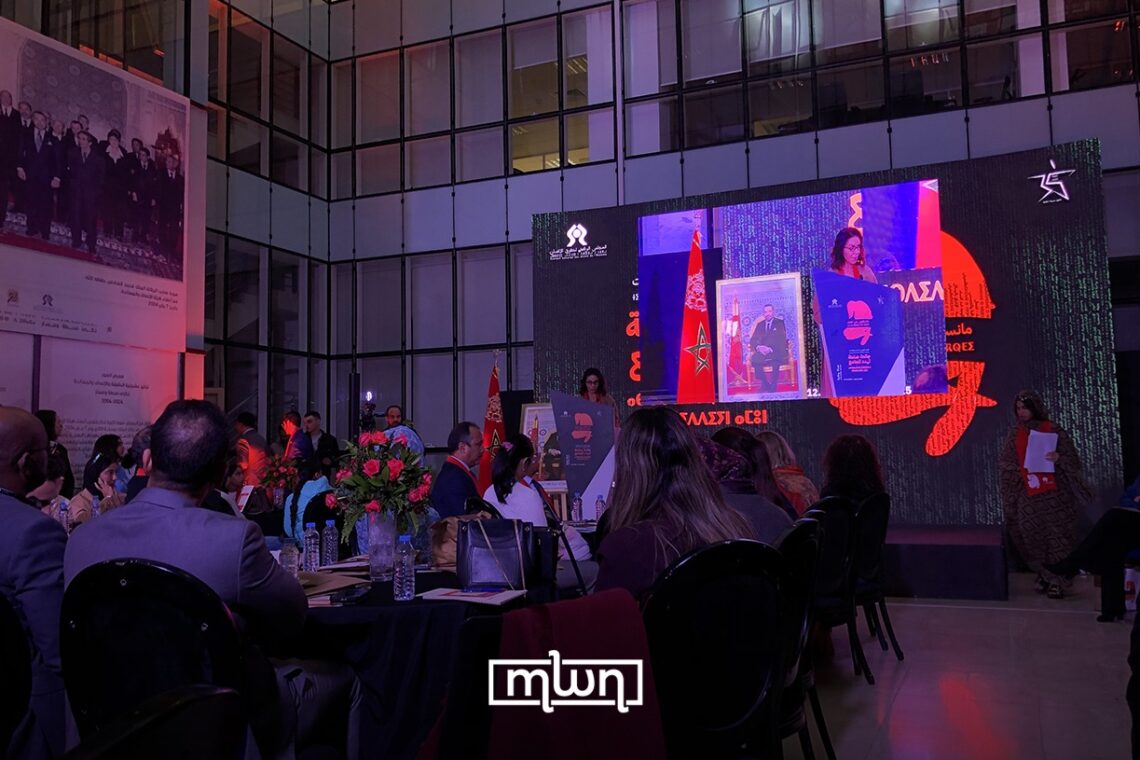
In her speech at Wednesday’s event CNDH President mentioned the rapid development of modern technology, social media and the growing scale of their use, emphasizing that the manifestations of violence against women and girls have worsened and taken more complex forms on digital platforms.
Alarming statistics and figures
The Head of Morocco’s High Commissioner for Planning (HCP), Chakib Benmoussa, provided data highlighting the urgency to ensure equality between genders and enable women to practice their daily activities freely and safely.
According to the UN Women report, the global prevalence of digital violence against women and girls ranges between 16% and 58%. Many of the victims are experiencing online harassment for the first time between the ages of 14 and 16. In the Arab region, 6 out of 10 women (60%) who use the internet report exposure to some form of technology facilitating violence or harassment.
The most widespread forms include defamation and the dissemination of false or abusive information (60%), online sexual harassment (66%), and hate speech (65%), along with bullying blackmail, and online human trafficking.
Increasingly, perpetrators rely on AI powered deepfakes technologies to produce deceptive or pornographic content, the report found. Approximately 95% of this content is pornographic and shared without the consent of those depicted, targeting women and girls almost exclusively about 99%. 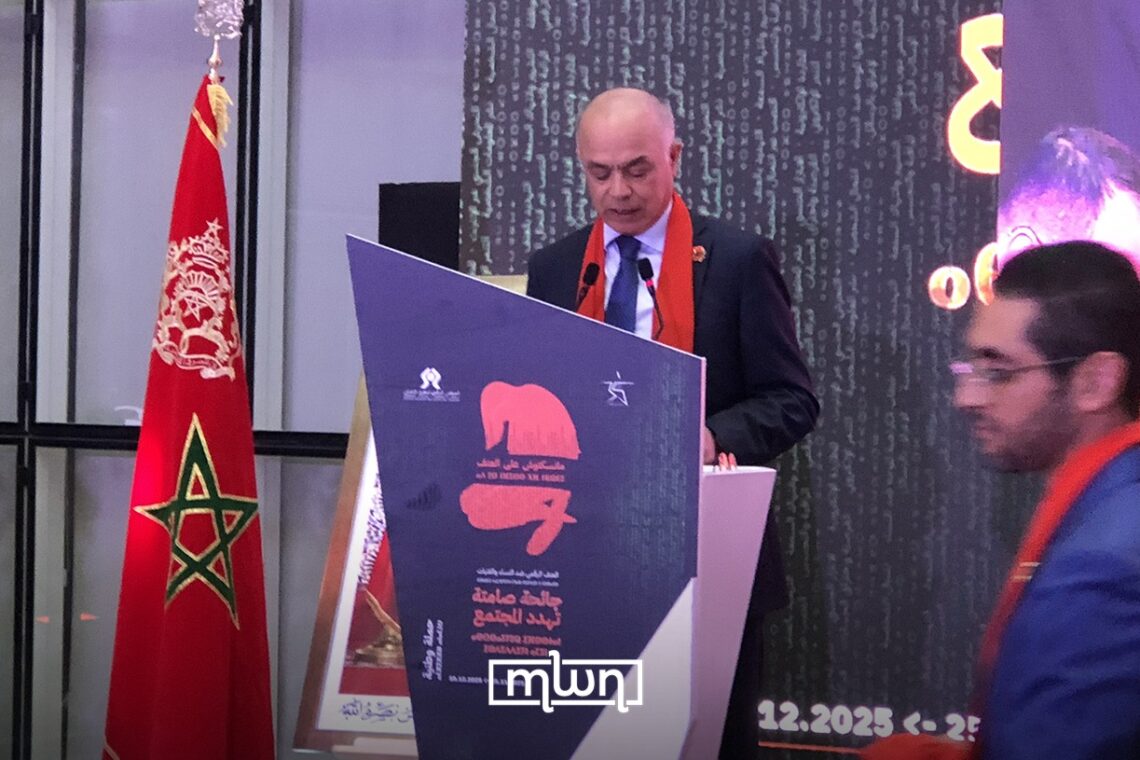
These violations inflict severe harm, including breaches of privacy, damage to reputation and sexual blackmail – all of which drives numerous women and girls to commit suicide in several countries, increasingly including in North Africa and the Middle East.
In Morocco, around 1.5 million women experience some form of violence through digital platforms. Having access to the internet might put people at risk, yet some groups experience higher levels of danger.
Higher rates of violence are recorded among women in urban areas (16%), young women aged 15-19 (29%), women with higher education (25%), unmarried women (30%), and female students (36%). In most cases (73%), the perpetrator is a man unknown to his victims. The remaining cases of online violence or digital harassment are perpetrated by former or current partners, family members, colleagues, classmates, and friends.
Extending the harm beyond the digital sphere
Digital violence against women and girls mostly does not stay online, it often spills into real life and turns to direct, tangible harm. In the Arab region, 44% of women who experienced digital violence reported that the abuse moved from the online space into their daily lives. This may include threats of physical or sexual violence, persistent harassment, defamation campaign, and the misuse of personal data to track victims or push them out of the public eye, Amina Bouayach explained.
Women with a strong presence online, who are active in public life, media, politics, and human rights are the most exposed to violence. They often face digital attacks, including threats, discrimination, physical or verbal harassment, as well as sexual abuse. Journalists and women working in media and human rights report less violence they actually experienced, according to the report shared by the president of CNDH Just 11% of women journalists who face digital violence file a report, while only 8% take any legal actions.