 Join on WhatsApp
 Join on Telegram
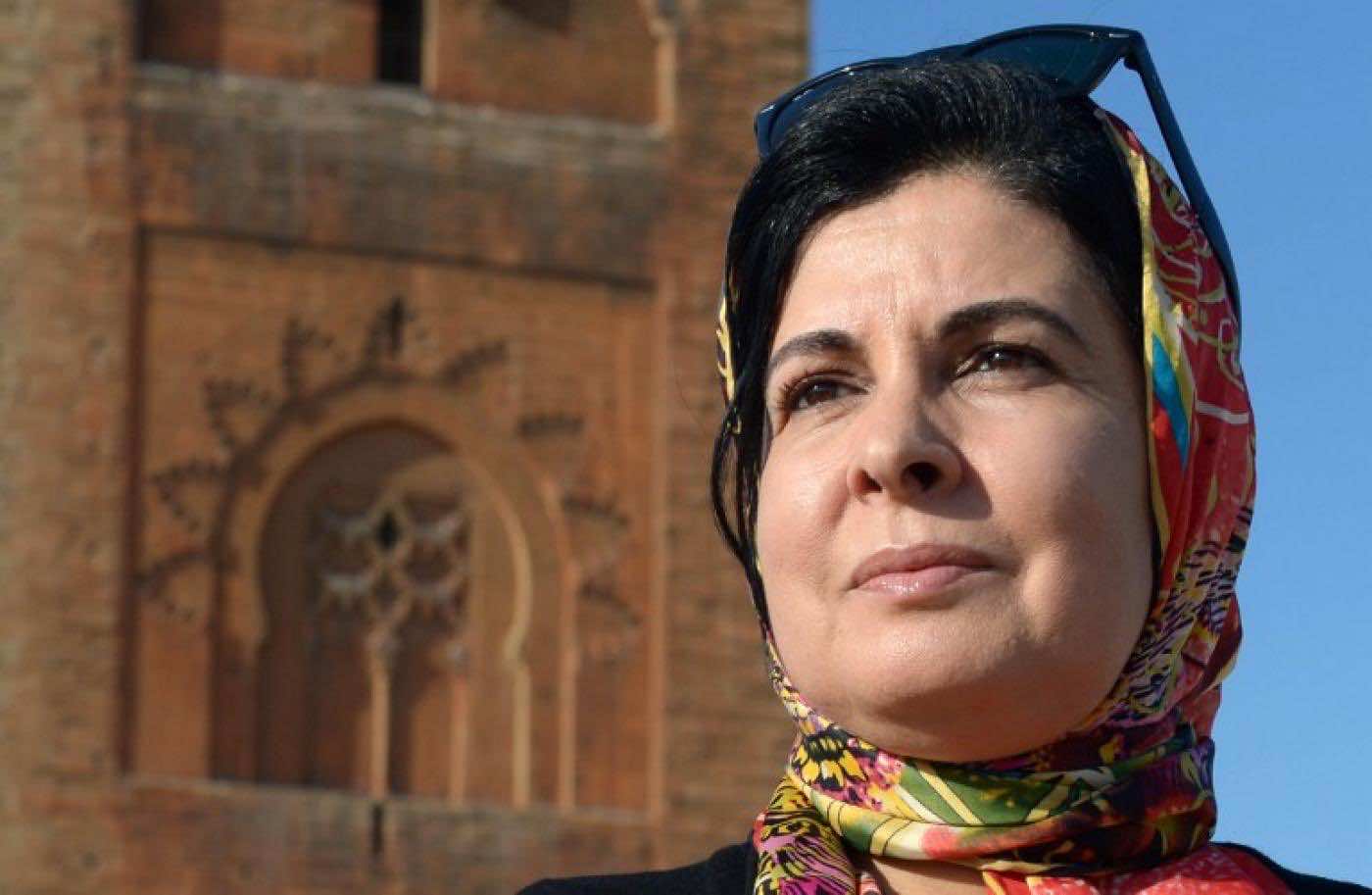
Moroccan Islamic feminist Asma Lamrabet has expressed her support for the movement calling for the abolishment of Article 490 of Morocco’s Penal Code, relating to sex outside of wedlock.
Lamrabet shared her opinion in a Facebook publication, saying that Article 490 should not exist.
“Article 490 of the Moroccan Penal Code, which today criminalizes sexual relations outside marriage is in contradiction with Muslim ethics and with ethics in general,” Lamrabet wrote. “It is unacceptable in today’s Morocco.”
The former director of the Center for Women’s Studies in Islam (CERFI) voiced support for the abolishment of Article 490 amid a raging national debate about the issue.
In recent days, two opposing camps — #STOP490 and #KEEP490 — have been fiercely discussing the legal text on social networks. Lamrabet is among the few — if not the only — intellectuals with a background in Islamic studies who expressed support for the “STOP490” clan.
The feminist agreed with those claiming that Islam forbids sex outside of wedlock. However, she argued that punishing citizens who do not follow religious teachings is not among the penal code’s missions.
“Having sex outside of marriage is morally forbidden, but when, within a society, this act is performed between adults and in private, it cannot be penalized,” Lamrabet said. “It depends on the moral convictions of each person.”
Read also: Moroccan Activists Publish Manifesto Against Penalizing Out of Wedlock Sex and Abortion
The Moroccan essayist also considered that Article 490 interferes in the private and intimate lives of people.
“To interfere in people’s privacy is contrary to Islamic teachings, which makes any accusation [of sex outside of wedlock] impossible to prove,” Lamrabet argued.
She gave the example of a man who came to Prophet Muhammad to denounce another man who had sex outside of marriage. Prophet Muhammad responded: “Had you veiled him with your cloak, it would have been better for you.”
The incident proves that Islam advises against exposing what people are doing in privacy, even if their acts are wrong, Lamrabet explained.
“Following religious teachings or not following them is a matter of faith and personal moral convictions,” she concluded. “Only God can judge.”