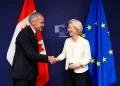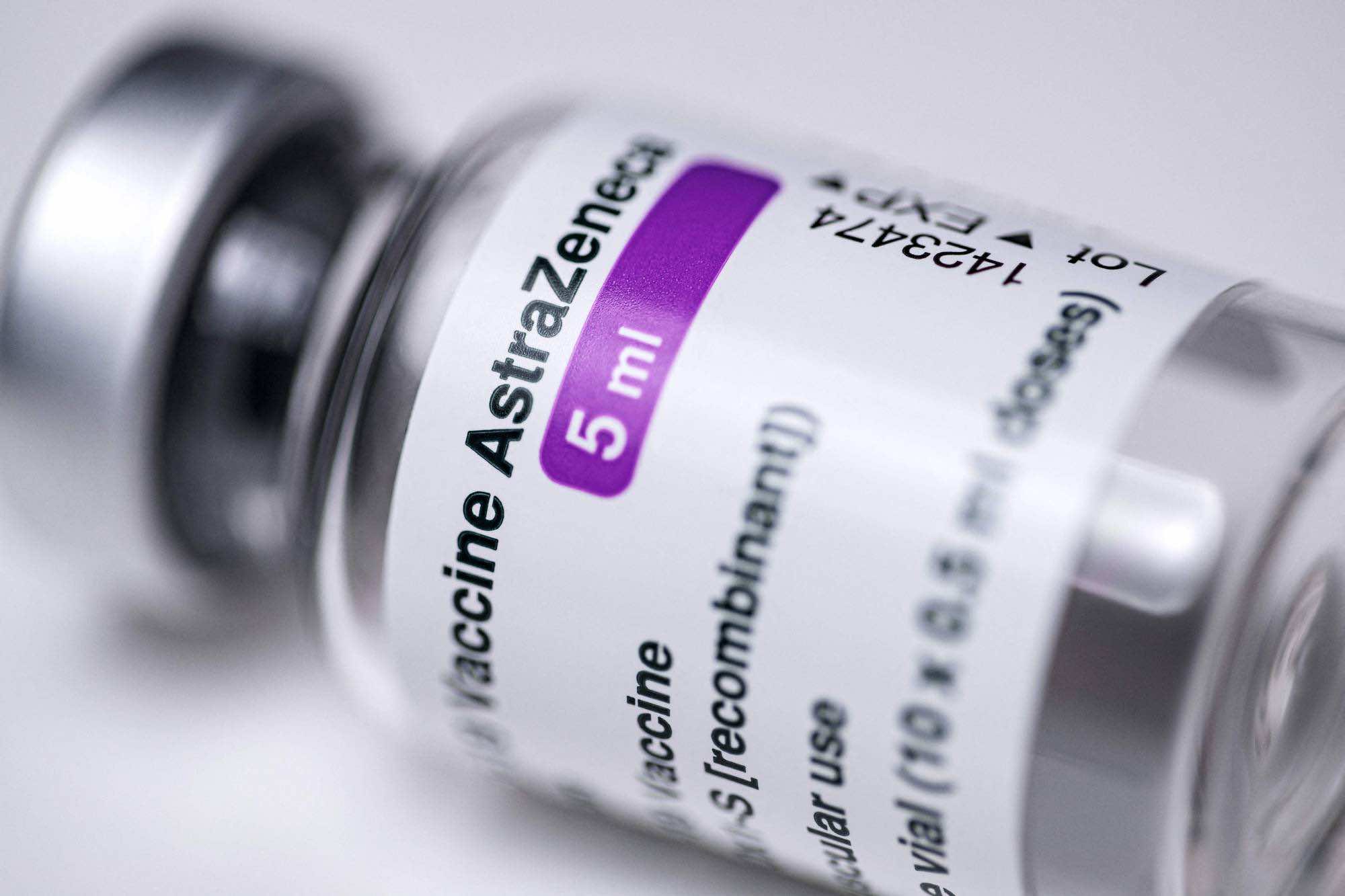
Rabat – The EU is considering lifting patents on the Astrazeneca vaccine, and even seizing factories, in order to get its hands on the injections. European Commission President Ursula Von Leyen fired the first shot across the bow by threatening action against the pharmaceutical company on Wednesday, March 18.
The UK, where Astrazeneca is headquartered, accused the EU of “acting like a dictatorship,” in a statement from UK Foreign Secretary Dominic Raab.
The EU’s threats extend to the bloc seizing manufacturing facilities and exempting the vaccine’s patent in order to allow all EU members to produce the vaccine.
The EU dispute highlights the positive effects that an exemption on vaccine patents could produce, yet most rich countries continue to block a similar exemption for the world’s poorest countries.
Vaccine Patent Dispute
Developing countries’ on-going efforts to secure vaccine doses have faced obstructive selfishness from some of the richest countries on earth.
In early October 2020, India and South Africa submitted a proposal to the World Trade Organization (WTO) for a temporary ban on patents in response to the COVID-19 pandemic.
They proposed an exemption on patents that would allow poor countries to produce the vaccines themselves instead of having to rely on production by Western pharmaceutical companies.
India and South Africa have led the call to exempt patent rights on items such as diagnostic kits, vaccines, medicines, personal protective equipment, and ventilators that are needed to control the COVID-19 pandemic.
Many other developing countries supported the proposal. They stated that “the objective is to avoid barriers to the timely access to affordable medical products including vaccines and medicines or to scaling-up of research, development, manufacturing, and supply of essential medical products.”
Meanwhile, the WTO’s wealthiest members are actively blocking the proposal, which over 80 developing countries support.
Rich countries, home to the world’s largest pharmaceutical companies, are using patent rights to cut off global access to the vaccine from developing countries to protect the interests of their pharmaceutical monopolies.
COVID-19 vaccine-hoarding
According to statistics released by the People’s Vaccine Alliance, nine out of 10 people in nearly 70 poor countries are set to miss out on their much-needed COVID-19 vaccine this year.
Conversely, rich countries will have bought enough vaccine doses to vaccinate their entire populations nearly three times over by the end of 2021.
Now again, and after the “HIV carnage,” rich countries’ government-protected monopolies keep driving prices higher, putting up barriers to vaccine production and prioritizing profits over improving public health.
“Rich countries …are siding with a handful of pharmaceutical corporations in protecting their monopolies against the needs of the majority of developing countries,” said Anna Marriott, Oxfam’s health policy manager.
She added: “No one should be blocked from getting a life-saving vaccine because of the country they live in or the amount of money in their pocket…billions of people around the world will not receive a safe and effective vaccine for COVID-19 for years to come.”
The pandemic has already killed more than two million people globally. Experts lament that morally and ethically, patent rights should not hinder easy access to the vaccine and life-saving equipment needed to control a global pandemic; that a global problem requires a global solution.
“No-one is safe from COVID-19 until everyone is safe,” said Winnie Byanyima, UNAIDS’ executive director.
US Senator Bernie Sanders slammed rich countries: “It is unconscionable that amid a global health crisis, huge multibillion-dollar pharmaceutical companies continue to prioritize profits by protecting their monopolies and driving up prices rather than prioritizing the lives of people everywhere including the Global South.”
The consequences of COVID-19 vaccine monopolization
The current monopoly on vaccine supply is driven by COVID-19 “vaccine nationalism.” The term refers to pre-purchase agreements between vaccine producers and rich countries. These agreements secure doses for domestic populations before giving access in other countries. Experts warn that this process poses a threat to both global health recovery and the global economy.
Tedros Adhanom Ghebreyesus, the director-general of the World Health Organization (WHO), has described vaccine nationalism as “a catastrophic moral failure.”
In the worst-case scenario, rich countries would vaccinate their own while forsaking citizens of poor countries.
Beyond the human cost, an academic study indicates that the global economy will suffer a blow of $9 trillion.
COVID-19 has robbed millions of unfortunate people of their lives and destroyed the livelihood of minimum wage workers, while many office employees could manage their work from the safe confines of their homes. In the world of commerce, however, nobody – not even the rich – is safe from the threat of coronavirus.
John Denton, secretary-general of the International Chamber of Commerce, said, “No economy, however big, will be immune to the effects of the virus until the pandemic is brought to an end everywhere.”
“Purchasing vaccines for the developing world isn’t an act of generosity by the world’s richest nations. It’s an essential investment for governments to make if they want to revive their domestic economies,” Denton added.
If rich countries continue to hoard and stockpile COVID-19 vaccines, the progress to put an end to the pandemic will be in jeopardy.
The situation of COVID-19 vaccination in Morocco compared to other African countries.
Morocco is one of the African countries that were able to secure vaccines. It is using China’s Sinopharm and the British-Swedish Oxford/AstraZeneca vaccines.
In January, Morocco received its first vaccine shipments. However, the government did not specify the number of doses it had received.
The government, however, said that the country had enough vaccines to start the campaign in optimal conditions.
Morocco expects its COVID-19 vaccination campaign to accelerate in the coming weeks, with the Ministry of Health aiming to achieve 500,000 new vaccinations on a daily basis.
Morocco remains the African nation that has administered the largest number of COVID-19 vaccines, according to the online scientific publication “Our World in Data.”
As of March 17, the number of COVID-19 vaccines administered in Africa is 7.57 million. Morocco comes in first place with a total of 6.36 million.
Far below Morocco comes Rwanda, with only 317,708 administered vaccines, followed by Ghana (300,000), South Africa (168,413), Senegal (144,207), Seychelles (89,509), and Algeria (75,000).
Other African countries that have begun their vaccination campaigns, including Zimbabwe, and Egypt, have administered fewer than 40,000 doses, emphasizing the need to lift the patents to allow the global production of vaccines.
Many African countries have not yet been able to launch their vaccine campaigns as doses are out of their reach due to the greed of rich countries.
The director of Oxfam International in Africa said in a news conference: “Ensuring every African can get a safe and effective COVID-19 vaccine … is the most effective way to save lives and livelihoods, keep our children in school, reduce unemployment rates and re-open our economies.”
Without the COVID-19 vaccine, African countries’ achievements in food security, democratic governance, gender equality, and women’s rights could be under threat, he added.