 Join on WhatsApp
 Join on Telegram
Nouzha Bouchareb, Morocco’s Minister of National Planning, Urban Development, Housing and Urban Policy, highlighted “the need to strengthen innovative cooperation for resilience and sustainable development in Africa,” Moroccan state media reported.
Bouchareb made her comments on Friday in Rabat while co-chairing a high-level conference on Africa’s response to the COVID-19 crisis and projections of how best to deal with pandemic-related challenges in the coming years.
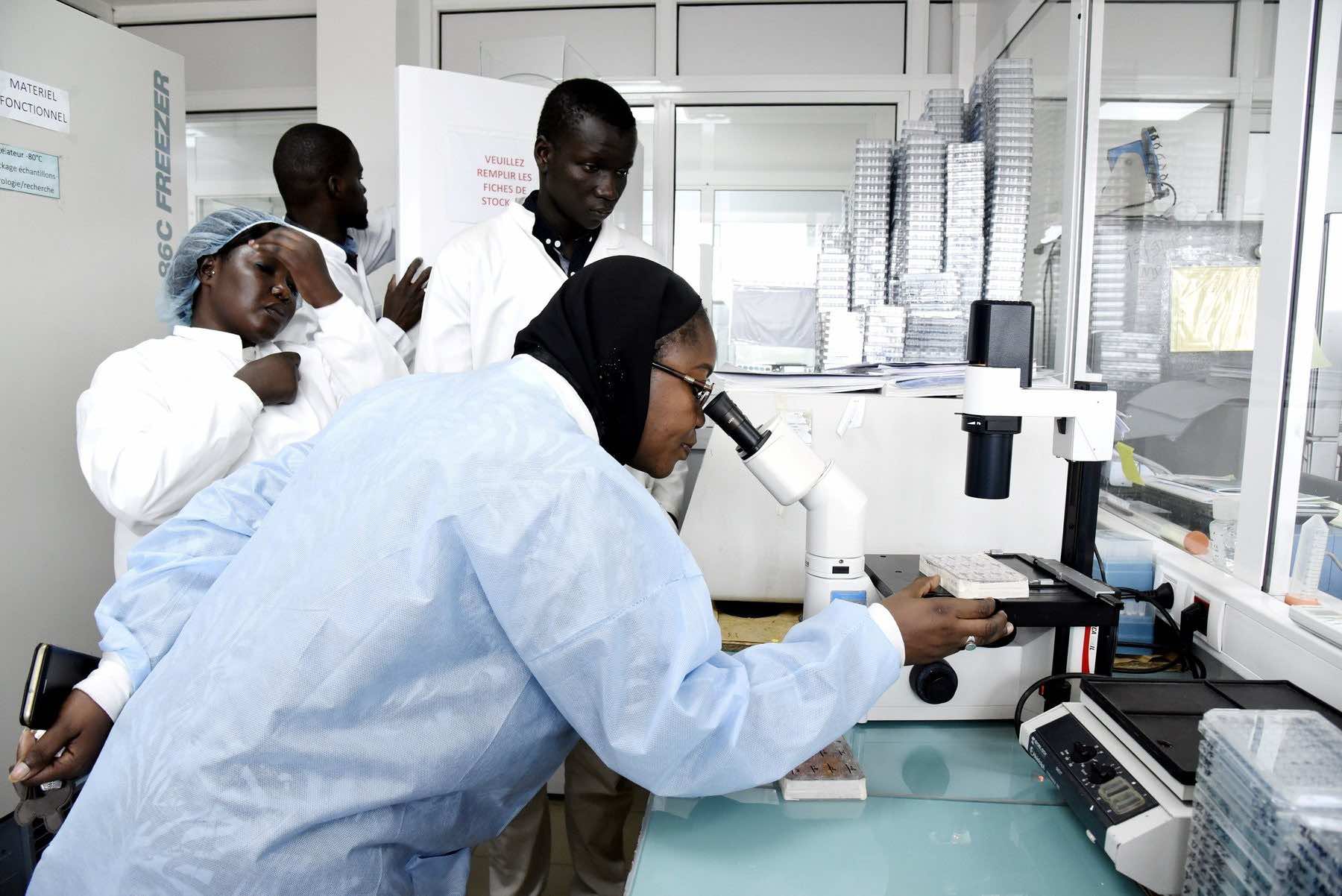
Under the theme “Africa in the face of the Covid-19 crisis: Towards innovative cooperation for better resilience and sustainable development,” the event commemorated Africa Day (which was celebrated on May 25) and evaluated different strategies adopted by African countries to combat the pandemic.
Bouchareb highlighted Morocco’s largely successful management of the COVID-19 crisis, noting the “success story” of Morocco’s COVID-19 fight and how the North African country is eager to share its “experience and best practices” with other nations across the continent.
For the Moroccan minister, one of the most valuable lessons from the pandemic is the need to foster global solidarity. She suggested that the urge for more solidarity has been far more poignant for the Global South, where many countries are behind the global curve on vaccination and other efforts to effectively tackle the COVID-19 crisis.
Read also: Africa and COVID-19: The Sick Man of Globalization?
Morocco actively supported continental efforts to limit the fallout of COVID-19, as well as pushing for innovative and collective solutions to come to terms with shared African challenges, Bouchareb noted. Illustrating Morocco’s commitment to African solidarity was King Mohammed VI’s instructions to send batches of hand sanitizers, masks, and COVID-19 medicines to 15 African countries in the early, uncertain days of the health crisis.
“Cooperation has been one of the pillars that we have activated during this crisis,” Bouchareb said of Morocco’s continental efforts in the past months. She also cited the organization of many events by Morocco as one way the North African country has emphasised the centrality of policy exchanges to reflect on common solutions.
While Africa’s COVID-19 figures are comparatively lower and somewhat more encouraging than those of the rest of the world, projections are that most African countries will bear the brunt of the financial fallout of the pandemic and will take far longer to emerge from the socio-economic consequences of the crisis.
For Bouchareb, such bleak projections reinforce the notion that strong intra-African cooperation and “exchange of expertise and best practices” is one of the most essential tools at the disposal of African governments in their fight against both the pandemic and its aftermath.