


 Join on WhatsApp
 Join on Telegram
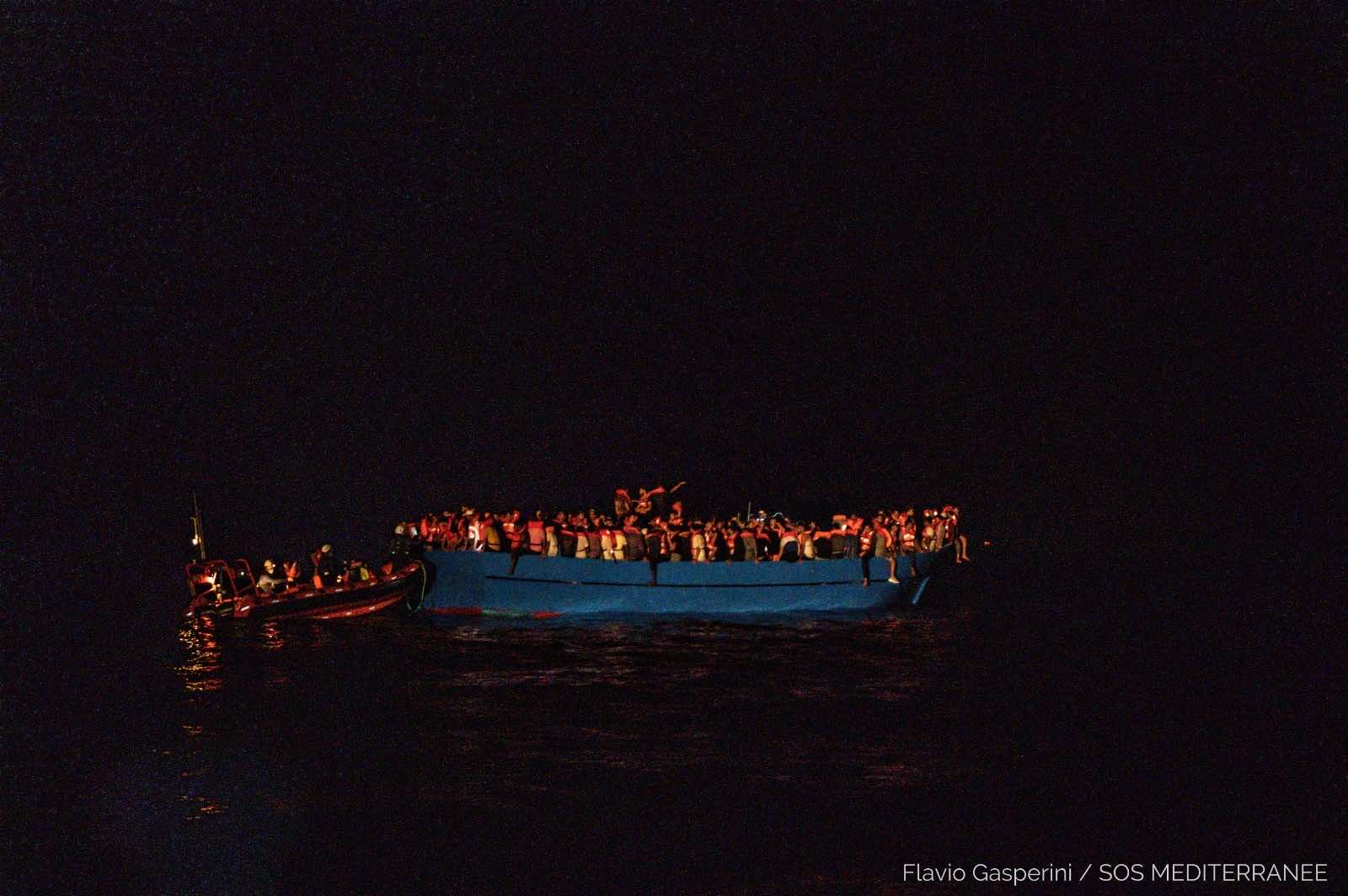
Rabat – International NGO workers have rescued 394 irregular migrants, including many Moroccans, from a drowning vessel off the Tunisian coast on August 1.
The boat was ”dangerously overcrowded,” it was “taking in water and its engine was not working,” reported Reuters. The rescue operation, which involved French NGO SOS Mediterranee, and the German NGOs Sea-Watch and ResQ Ship, occured in the early hours of Monday morning, and lasted for approximately six hours.
The French rescue ship Ocean Viking joined the German Sea-Watch 3 in rescuing the sinking vessel 68 kilometers off the Tunisian coast, in the vicinity of oil processing facilities and other commercial ships, according to Reuters.
Sea-Watch 3 rescued 141 survivors, while the French rescue ship collected the remaining survivors. At the time of the operation, it was unclear whether any migrants died or suffered severe injuries, according to Reuters’ sources, who described the migrants ship as “crammed with migrants on deck and inside the hull.”
Besides Moroccans, there were also migrants from Bangladesh, Egypt, and Syria.
“All night until the early morning, together with Seawatch and Resqship, we were engaged in the critical rescue of ~400 people from a large wooden boat taking on water,” read a statement from SOS Mediterranee.
The International Organization for Migration has reported that an estimated 1,100 people died in the Mediterranean in 2021, while seeking better opportunities in the EU. The number of border crossing into Europe fell by 13% in 2020, according to Frontex, the European Border and Coast Guard Agency
Despite a noticeable drop in arrivals between the Iberian Peninsula and Morocco during 2020, , having recorded 17,000 arrivals, marking a 28% decrease compared to the year before, the Central Mediterranean route saw a marked growth. Frontex recorded 35,600 arrivals in the EU, an increase of 154%, with many of the individuals departing from Tunisia.
Earlier in the year, the UN refugee agency UNHCR called for “urgent steps to end avoidable loss of lives at sea,” particularly within the context of dangerous European migration policies that endanger irregular migrants.


