


 Join on WhatsApp
  Join on Telegram
 Rabat- Amid negotiations for a resumption of diplomatic relations following months of tensions, Morocco and Spain are again on the verge of a diplomatic rift over Morocco’s installation of a fish farm near Spain’s Chafarinas Islets, which Spain still occupies.
According to Spanish news outlet El Pais, the Spanish Ministry of Foreign Affairs delivered last week a note of protest to the head of the Moroccan Embassy in Spain to protest Morocco’s move. In the note, the Spanish foreign ministry said the Moroccan-run fish farm “is in Spanish territorial waters” and lacks the “necessary permits.”
The Madrid government is mulling sanctions against the Spanish firm that supplied and installed the marine cages for the Moroccan company that operates the farm, El Pais reported.
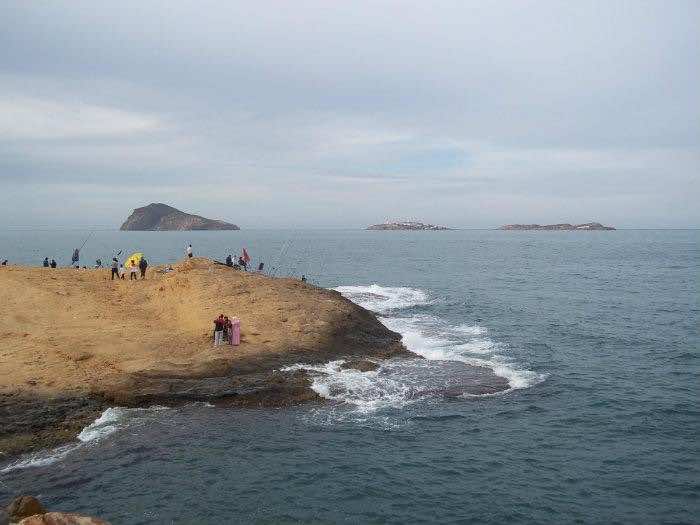
The Chafarinas Isles are three small rocky islets located some three kilometers off the Moroccan coast and 46 kilometers east of Spain’s north African enclave of Melilla.
The islets have been under Spanish control since 1847. Rabat considers the territory occupied by Spain, along with another tiny Mediterranean islet known as Perejil in Spain. Morocco also considers Melilla and Spain’s other tiny north African enclave, Ceuta, as occupied.
Given their disputed legal status and their contiguity with Morocco’s cost, Morocco does not recognize territorial water for Spain’s enclaves and their nearby islets. Despite Spain’s attempts for decades to reach an agreement on the delimitation of maritime between two countries in the area, it has met with Morocco’s refusal. Consequently, there are no territorial delimitations between the two countries in the disputed areas.
Read also: Ceuta, Melilla and Morocco’s Displeasure with Spain on Western Sahara
According to El Pais, the Spanish government has tried to avoid friction with Morocco, with the aim of overcoming a diplomatic crisis that is not yet definitely closed. It is unclear, however, what meaningful actions the Spanish government has taken to restore diplomatic relations. Less than a month after King Mohammed VI’s speech where he tended his arms to Spain and signaled Morocco’s desire to turn the page of tension, Spain’s head of government, Pedro Sánchez, said before the UN General Assembly in New York that his government acted based on humanitarian grounds when it decided to receive Polisario leader Brahim Ghali to receive medical treatment for COVID-19.
Tensions between Morocco and Spain soured in April when Spain’s Pedro Sanchez-led government allowed Polisario leader Brahim Ghali to enter Spanish territory with a fake identity under the name of Mohamed Ben Battouche.
Rabat expressed anger over Spain’s decision, describing the move as against bilateral relations and the spirit of cooperation between the two countries.
After weeks of controversy around the Ghali case and a recent migration crisis in Ceuta, the Spanish government recently expressed its interest in resuming normal diplomatic ties with Morocco, saying the two countries should salvage their essential partnership and “open a new page” of friendship.
The Spanish government is satisfied with the ongoing dialogue to end the crisis with Morocco after months of tension, according to reports by various Spanish sources.
In August, King Mohammed VI expressed satisfaction with the ongoing dialogue between the two countries, saying that he was monitoring the consultations aimed at resolving the recent waves of unprecedented crisis.


