 Join on WhatsApp
 Join on Telegram
Rabat – Moroccan human rights activists will review the impact of girls’ lack of access to menstruation products and facilities on female school dropouts, child marriage, and adolescent pregnancies.
Morocco currently has 3 million adolescents and young girls, and half of them were shocked to get their first period, the activists said.
Faced with the social stigma around menstruation, Moroccan girls are not aware of menstrual health.
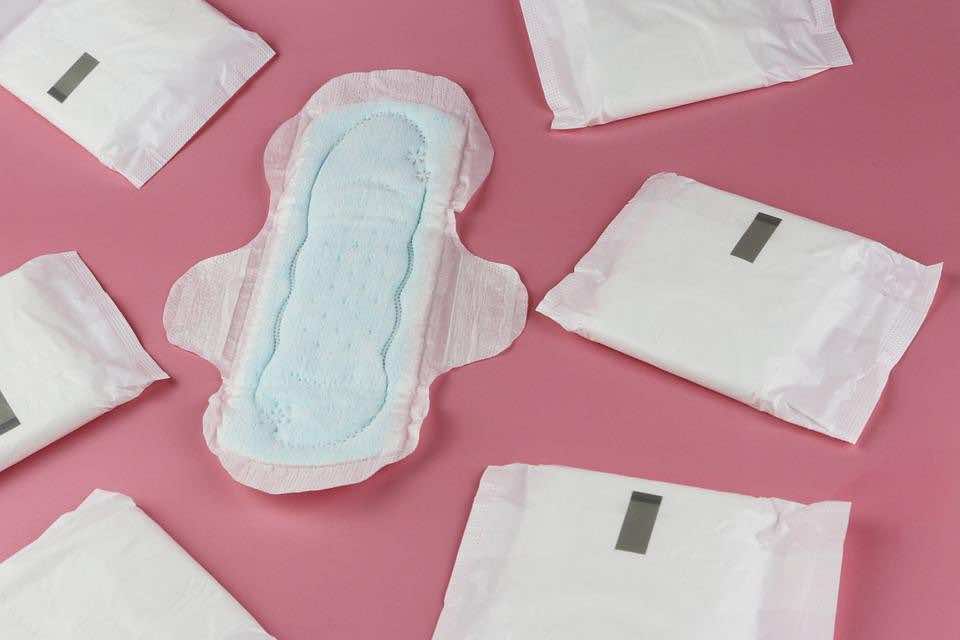
Moroccan activists argue that many of these Moroccan female adolescents do not have access to menstrual hygiene products, nor to safe and private sanitation facilities at their schools. This has pushed some of them to quit school leading to their early marriage and adolescent pregnancy.
The activists further noted that pregnancy and childbirth among girls aged 15 to 19 are accompanied by a high risk of health complications, which are a major cause of death among adolescent girls in low and middle-income countries.
To counter the social stigma surrounding menstruation in Morocco, Morocco’s Human Rights Council (CNDH), the United Nations Population Fund in Morocco (UNFPA), and the SOAR Project will organize a workshop under the theme, “Equality, right to sexual and reproductive health and well-being of women and girls.”
Organized on Friday at 9:30 a.m. at CNDH headquarters with the support of Global Affairs Canada, the event coincides with World Menstrual Hygiene Day, May 28.
Government officials, civil society organizations, and researchers will participate in the event to identify the challenges faced by young Moroccan girls and agree on a set of actions to be implemented to promote the rights of women and girls in the North African country.
Read Also: Activists Launch Campaign to Fight Period Poverty in Morocco
The Moroccan efforts to normalize menstruation contribute to the global campaign that aims to end the stigma surrounding menstruation, a normal bodily function experienced by billions of people each month. The campaign hopes to mobilize funding to provide girls and women with access to menstrual products, education about menstruation, and period-friendly sanitation facilities.
These objectives are set to be achieved by 2030 to “build a world where no one is held back because they menstruate.”
Morocco celebrated World Menstrual Hygiene Day for the first time in 2021, seven years after the international day was initiated by the German-based NGO WASH United.
The Moroccan social movement, New Era, is an example of Moroccan civil efforts that highlight the struggles of young Moroccan women in remote and marginalized areas who either cannot afford, or do not have access to, menstrual hygiene products.
In November, the group distributed 300 menstrual underwear units and menstrual pain medication in Ouinskra, a remote village located 80 kilometers from Marrakech.