 Join on WhatsApp
 Join on Telegram
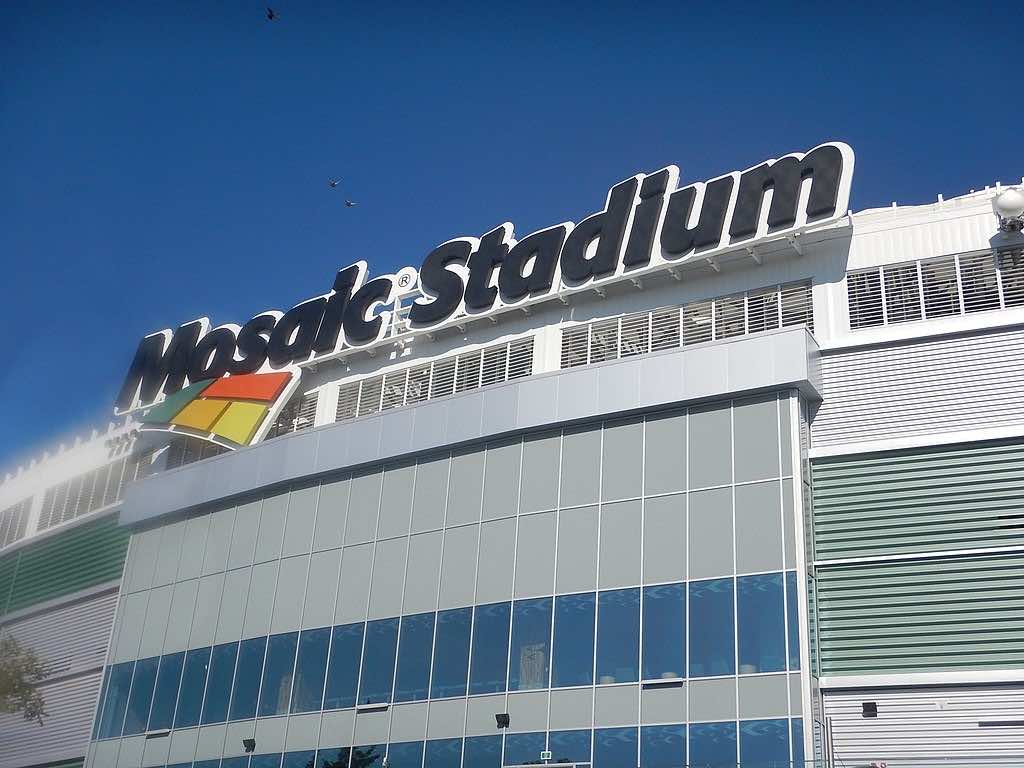
Rabat – US farmers and consumers are suffering from high fertilizer prices due to the lobbying of US fertilizer giant Mosaic, newly published emails have confirmed.
Reporting by The Intercept based on information collected by the watchdog American Oversight has provided further details on the scale of Mosaic’s manipulation of the US fertilizer market, and its consequences for US consumers and farmers.
Emails collected by American Oversight show that the controversial decision by the US International Trade Commission (USITC) to slap competition-distorting tariffs on Moroccan fertilizers was in fact thought up in 2017, by Mosaic’s lobbyists.
From the start of the Trump administration, Mosaic’s lobbying firm Ballard Partners started to push the narrative that Moroccan fertilizers received “unfair subsidies” domestically, a key element of the USITC’s later “decision,” following three years of intense lobbying.
Mosaic argued that Morocco’s OCP Group received state support that provided it with an undue advantage.
Unfair competition
In fact, Moroccan fertilizers were competitive simply because Morocco holds 77% of the world’s phosphate reserves. Morocco can easily produce the product cheaper than the aging US fertilizer giant Mosaic, which has bled its home state dry and left it a moonscape of poorly maintained, abandoned strip mines, and hazardous waste storage facilities.
Between 2017 and 2020, Mosaic used its lobbyist firm Ballard Partners to secure high-level meetings with key Trump officials and manipulate the political outcome of its competition with Morocco.
The results of this manipulation are now felt across the US. Mosaic gained its effective monopoly, by controlling 90% of the US market for a mere $1.49 million in lobbying fees. Mosaic’s monopoly has driven up prices of fertilizers, harming the livelihoods of US farmers and impacting the prices of key food items like vegetables and meat.
Mosaic has used its monopoly to pad its own pockets at the expense of US agriculture, limiting the supply of fertilizers while using stock-buybacks to funnel profits to investors.
National farmers’ associations and several politicians have protested the current situation, calling on the current administration and the USITC to lift its artificial tariffs on Moroccan fertilizer.
Yet little progress is expected, as the e-mails show, these tariffs have little to do with a rational trade decision. They are instead the result of political lobbying that is hurting US citizens every day while undermining the free market in the country and abroad.
Moroccan subsidies
Mosaic’s lobbying of the upper levels of the Trump administration resulted in the USITC issuing a 20% tariff on Moroccan fertilizer exports, effectively pricing them out of the US market. The USITC decision came after it claimed that Morocco’s OCP Group received indirect state subsidies that gave it a competitive advantage over Mosaic.
These claims sounded hollow from the start, as US corporations like Mosaic pay some of the world’s lowest tax rates, an indirect subsidy in itself. This situation was exemplified in 2021, when Mosaic paid $209 million in taxes over more than $12 billion in annual revenue. In Morocco, meanwhile, OCP Group paid $834 million to the state, with a revenue of $5.9 billion.
While OCP Group had half the revenue of Mosaic, it paid four times the amount of taxes, while being one of the country’s largest investors in domestic and Africa-wide development projects, agricultural research, startups, and innovation.
The idea that OCP Group receives undue subsidies compared to Mosaic is nearly impossible to defend, yet political lobbying in Washington DC proved enough to ensure Mosaic gained an effective monopoly that continues to hurt both consumers and farmers across the US.