


 Join on WhatsApp
  Join on Telegram
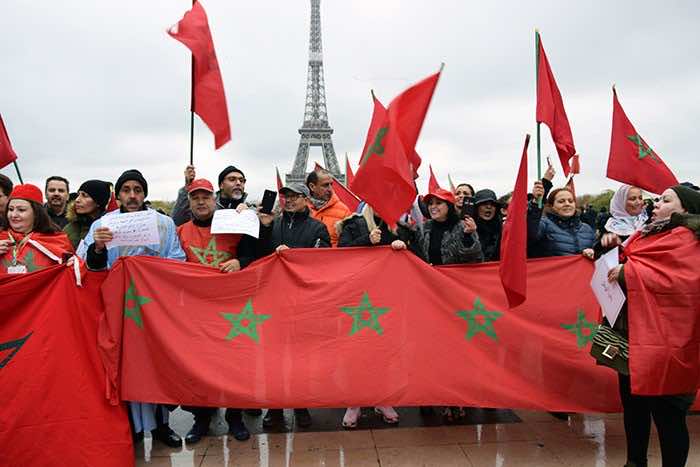
 With over five million of its citizens residing outside Morocco, the ever-growing Moroccan population abroad is an asset to build bridges between Morocco and the world and export the diaspora expertise and resources for the betterment of Morocco but their representation in Moroccan legal and policy frameworks is lagging.
The millions of Moroccans residing outside the Morocco play an important role in the development of the country, not least in terms of the remittances that they send home. However, even though their economic contribution is essential to Morocco’s economy, the non-economic aspect of their involvement remains forgotten in terms of access to rights, notably political and social rights.
The Moroccan diaspora has been advocating for greater participation in the law-making process in Morocco for years but to no avail. More than eleven years into the passage of the Constitution, it is important not to be content with the words inscribed in its text, but, more importantly, their realization.
As a Moroccan American lawyer, I have joined my voice to the call on Moroccan authorities to adopt an organic law to allow for the participation of Moroccan diaspora to vote and to run for elected office from their countries of residence since my days as Commissioner in the Moroccan Commission du dialogue national sur la société civile et les nouvelles prérogatives constitutionnelles.
Today, I can’t help but wonder when the provisions of the Constitution to grant Moroccans residing abroad full citizenship rights, including political rights, will finally see light?
Diaspora Socio-Political Rights
An area that is persistently stirring a contentious debate between the Moroccan authorities and the Moroccan diaspora is political representation. In the wake of the Arab Spring, Morocco has adopted a revised constitution that tackles the rights of the Moroccan Diaspora (i.e. Articles 16-17-18-30) and grants them political rights. However, in reality, our diaspora is still disenfranchised and our political rights and democratic representativeness remain distant.
The social protection of the diaspora could also take a more central position in policy making to acknowledge the rights of Moroccan diaspora and their dual identity.
The government and diaspora must liaise relationships and bilateral conventions between the home country and the country of residence to ensure the rights of the diaspora are sustained including pension and other retirement benefits which, would guarantee foreign transfers from resident countries to the beneficiaries who choose to return to Morocco for retirement. While Bilateral Social Security Conventions exist between Morocco and some European countries, these arrangements are not negotiated for many countries that host Moroccan diaspora populations from the USA to the Gulf countries.
Legal and Institutional Mechanisms of Diaspora Engagement Policies
Policymakers in Morocco increasingly recognize the value that diaspora populations bring to development efforts at home, not just as senders of remittances but also as sources of human capital and direct and indirect investments, including in the most recent Moroccan New Development Model.
The government facilitates such contributions in several ways, from creating conducive legal frameworks and diaspora-centered institutions to initiating programs specifically targeting diaspora development actors. Yet, the existing mechanisms of diaspora engagement, while positive, are insufficient if not integrated in a broad-based strategy, premised in an inclusive legal framework for positive engagement.
Today, there is a pressing need to integrate Moroccan nationals living overseas into governance institutions and to allow them exercise their political rights to be in synchronicity with the words of the Constitution. Any tangible steps made in the ongoing development of Morocco cannot be successful without the healthy marriage of good governance and the active participation of its citizens not only inside Morocco but also outside the country.


