Rabat – The UN Development Programme’s new Human Development Report, published under the title “Uncertain times, unsettled lives,” paints a worrying picture of the world, saying that various crises since the start of the COVID-19 pandemic have set human progress back five years.
“We live in a world of worry,” Pedro Conceição, Director of the UN’s Human Development Report Office, opens the report, citing the COVID-19 pandemic, regional conflicts, record-breaking temperatures, and the wildfires sweeping many countries this summer.
Text analysis conducted by the UN of books and publications revealed that anxious language and expressions reflecting mental distress have seen a sharp rise in the past twenty years, exceeding levels observed during the Great Depression and both world wars.
Read also: 3 Million Moroccans Suffer from Depression and Anxiety
These increases in anxiety and insecurity were also observed in countries with a high human development index, the report notes. It points out that such sentiments have been on the rise in recent years despite ongoing improvements in the quality of health care and standards of living.
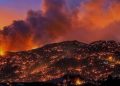
Climate change was cited as a major reason for this rising anxiety, especially as its effects become increasingly more apparent. This year several countries experienced record-breaking temperatures, with wildfires consuming hundreds of thousands of hectares around the globe.
This is exacerbated, the report says, by the fact that some countries and groups that have not historically contributed much to the climate issue bear the largest burdens from it.
“Those contributing the least to climate change find themselves at the losing end,” the report says. “Unmitigated climate change may drive up to 132 million people into poverty in the coming decade.”
These developments, along with mental struggles from COVID-19 quarantines, increasing polarization, and a widening socio-economic gap, have led to higher rates of anxiety, the report posits.
The UN called for on related actors to mobilize in order to mitigate some of the effects and promote greater solidarity both domestically and internationally to fight the common issues facing humanity.