 Join on WhatsApp
 Join on Telegram
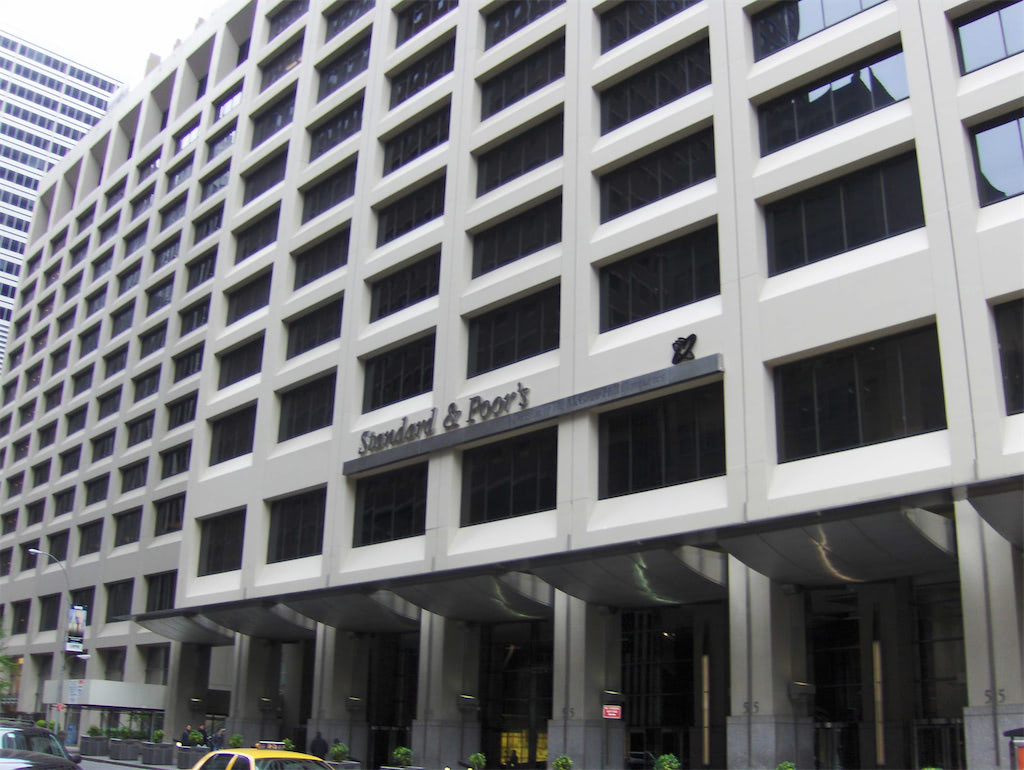
Rabat – S&P Global Rating, an American credit rating agency, benchmarks Morocco’s credit rating at BB+ for the second year, citing the country’s strong sovereign credit coupled with a number of underlying risks.
Representing the country’s ability to meet its financial obligations, the S&P rating shows that Morocco’s creditworthiness is largely supported by the range of structural economic reforms that could help yield a “more inclusive economic growth and gradually narrow current account and budgetary deficits,” the S&P report argues.
S&P projects that Morocco’s economy is expected to expand by 1.4% in 2022, after bouncing back by 7.9% in 2021. This year’s severe drought, rising commodity prices, and an economic slowdown in Europe all underpin the relatively low growth prospects for 2022.
Presenting the current state of Morocco’s internal balance, the S&P report highlights Morocco’s dependency on energy imports. The country is a “net energy importer” with oil and gas making up around 15% of imports. Morocco’s dependency on cereal imports – 5% of overall imports, 15% of which are sourced from Ukraine – makes it equally vulnerable to fluctuating commodity prices.
While reliance on imports exposes Morocco’s trade balance to significant risks, recovery in key sectors within the economy, such as the tourism sector, could potentially cushion the impact by keeping foreign currency reserves well stocked to cover the rising cost of food and energy commodities and keep the trade deficit manageable.
Inflation and social pressures
The rating agency forecasts inflation to average 5.9% in 2022 – slightly below the 6.3% average projected by Morocco’s central bank – which S&P expects to drop to 2% on the horizon of 2025.
If not managed properly, rising inflation could “intensify” social pressures as the national purchasing power worsens, S&P maintains.
To cushion the impact of rising inflation, Morocco subsidizes basic food commodities, especially butane gas and wheat. Over the first seven months of 2022, subsidies via “the Compensation Fund” totaled MAD 26 billion ($2.3 billion) – 1.9% of GDP –, up from MAD 11 billion ($1 billion) – 0.9% of GDP – a year earlier.
In addition to state subsidies, King Mohammed VI in 2022 launched a MAD 10 billion ($919 million) emergency program to salvage the agriculture sector amid the drought season, the government suspended customs duties imposed on import duties to lower prices, and offered fiscal stimulus to support professionals in the transportation sector, among other measures.
Economic structural reforms and growth
Morocco’s economy remains largely clustered in a handful of activities despite continuous efforts at diversification, the S&P report points out.
Agriculture currently accounts for 11% of Gross Domestic Product (GDP) and employs 31% of the labor force, aggravating the economy’s exposure to adverse climate scenarios. The 2022 drought caused cereal production to take a 67% year-on-year nosedive.
Low GDP per capita also features on the long list of structural issues in Morocco. Currently, Morocco’s GDP per capita is below $4,000, lower than its peers, and causing wide income disparities across the country’s more developed areas and the less developed ones.
Unemployment equally poses a challenge to the country’s development, as it is primarily prevalent among the country’s youth. Unemployment is projected to average 11% at the end of 2022, and it is not expected to improve significantly in the next three years.
Read Also: Morocco’s Central Bank Hikes Interest Rates for First Time in 14 Years