


 Join on WhatsApp
  Join on Telegram
 Rabat – As world leaders and global corporations discuss the climate agenda in the third African-hosted COP in Sharm El Sheikh, Egypt, communities in the global south are facing climate disasters ranging from severe droughts to deadly floods.
The world is celebrating decarbonization day on November 11, a day that serves as a reminder of the urgent need to cut greenhouse emissions to limit rising global temperatures.
With the “planet fast approaching tipping points that will make climate chaos irreversible,” according to UN Secretary-General Antonio Guterres, countries including Morocco, Egypt, and the UK are launching a package of 25 new collaborative actions to be delivered by COP 28.
The Breakthrough Agenda seeks to boost decarbonization across the power, road transport, steel, agriculture, and hydrogen sectors by phasing out polluting vehicles, developing green industries, and financing research and development. The five sectors are responsible for more than 50% of global greenhouse gas emissions.
As the world rapidly heads towards a “climate hell,” says Guterres, “Humanity has a choice: cooperate or perish.”
The spirit of cooperation is reflected in COP 27’s slogan, “Together for Implementation.”
This year, for the first time ever, the loss and damage agenda was officially adopted and addressed at the conference, which provides hope that concrete actions could be taken to support climate-vulnerable countries, including small islands.
According to the lead negotiator of COP 27 Mohamed Nasr, the “highest level political commitment is there [and the] summit was the best opportunity to confirm the commitment of all heads of state.”
The commitment to the climate agenda was partially reflected in the launch of bilateral and multilateral agreements related to climate financing with Belgium, Germany, and the UK joining Scotland and Denmark in providing financial packages to climate-vulnerable countries such as Mozambique and Pakistan.
Read Also: Western Countries Ignore Africa-Focused Climate Summit
However, the implementation of these pledges remains unclear given that developed countries had previously promised to deliver $100 billion per year by 2020 to developing countries for climate adaptation without delivering on the pledge.
Climate burden on the global south
This year, the effects of climate change have been prevalent in the Mediterranean basin with the recording of unprecedented temperatures and heat waves in southern Europe and North Africa.
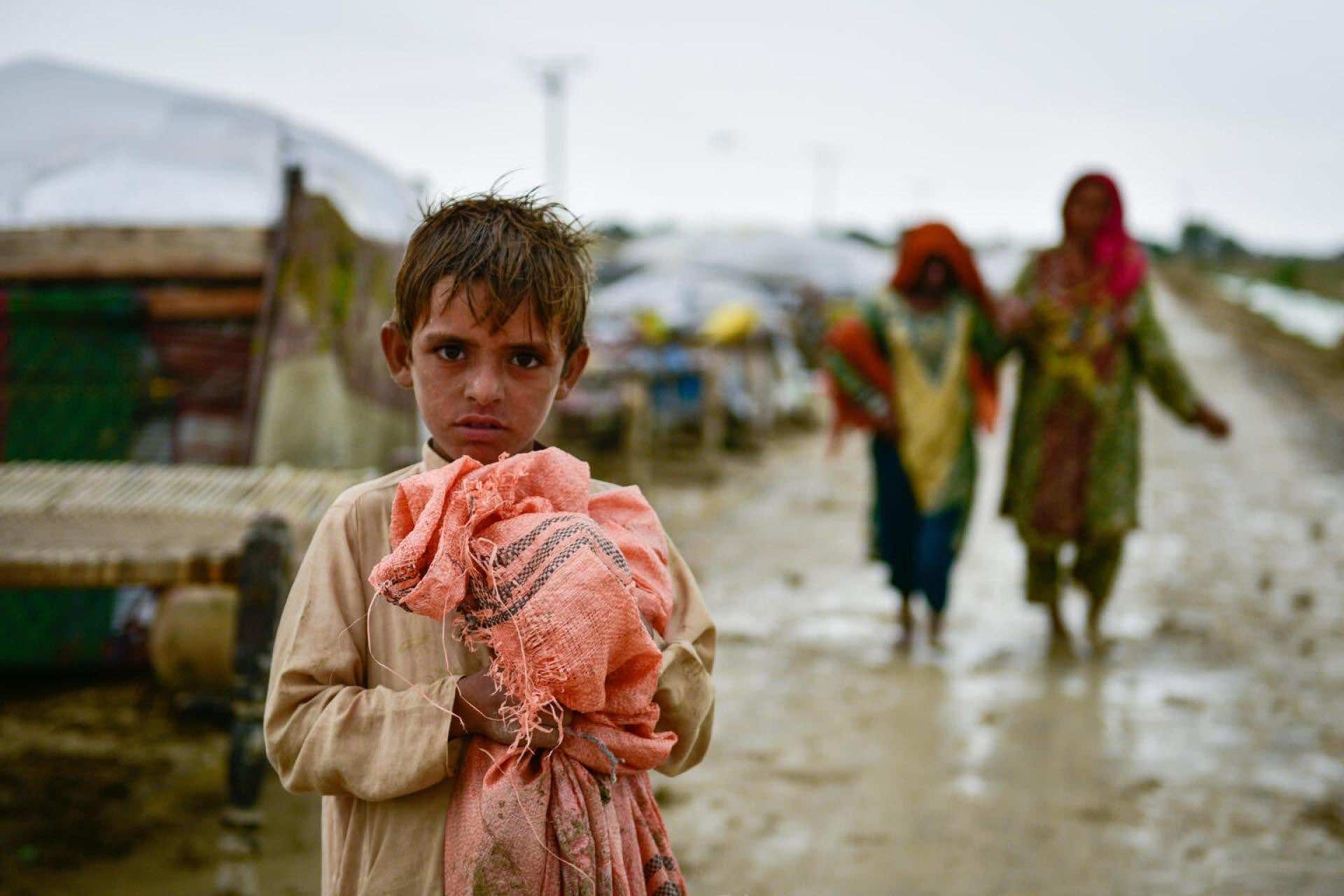
In Asia, Pakistan reported disastrous floods causing economic losses estimated at over $30 billion, according to the World Bank. Islamabad needs to mobilize an additional $16 billion for rehabilitation and reconstruction to boost the country’s resilience to future climate shocks.
The floods left almost 10 million children in need of lifesaving support with the rise of risks related to waterborne diseases, drowning, and malnutrition, according to UNICEF.
The financial burden of climate disasters on developing countries such as Pakistan is expected to increase over the coming years with the global south being the main victim of climate change despite producing the lowest rates of greenhouse gas emissions.
Developing countries that are already experiencing overlapping crises of food insecurity, soaring energy prices, and climate change are expected to allocate millions of dollars to support climate-related initiatives when local communities are struggling to make ends meet.
“That is fundamentally unfair,” Barbados Prime Minister Mia Mottley said at COP 27 UN climate talks. “Are we now to face double jeopardy by having to pay the cost as a result of those greenhouse gases from the industrial revolution? That is fundamentally unfair. We were the ones whose blood, sweat and tears financed the industrial revolution.”
Read Also: Youth Unite to Defend Climate Cause in COP 27 Amid Global Uncertainties
Mottley’s statement echoes comments made by the Chair of the African Union Commission Moussa Faki Mahamat during the Africa Adaptation Summit in September.
“Our countries are already forced to spend between 2 percent and 5 percent of their gross domestic product each year to deal with a problem they did not create,” Mahamat said, “This is where one of the most shocking injustices toward our continent resides.”
Need for tailored climate solutions
As COP 27 continues for another week, the world is anticipating the launch of additional bilateral and global initiatives related to climate finance, climate adaptation, the loss and damage agenda, and green transition in energy, heavy industry, and agriculture.
This week, for instance, the World Meteorological Organization unveiled its Early Warnings for All plan in Sharm El Sheikh with the support of 50 countries.
The plan calls for an investment of $3.1 billion between 2023 and 2027 to develop disaster risk knowledge and strengthen countries’ forecasting, preparedness, and response to potential climate disasters. The initial investment represents only 6% of the requested $50 billion.
The COP 27 presidency also launched an Adaptation Agenda aiming to build global climate resilience for four billion people in climate-vulnerable communities by 2030.
The agenda calls for adopting climate-resilient agriculture, protecting and restoring 400 million hectares of land and freshwater ecosystems, and installing smart and early warning systems.
These agendas put the global south at the center of change by allocating millions of dollars to support decarbonization and green transition efforts in climate-vulnerable communities.
However, climate-related initiatives are often criticized for being ill-informed on local realities such as the case in Africa. According to the Director of Research at the Energy for Growth Hub Rose Mutiso, the net zero emissions proposals exclude Africa since the continent “lacks three essentials – good data, appropriate models, and local technical expertise.”
“Without a data-driven African agenda on the energy transition, net-zero pledges made at COP27 will be meaningless,” Mutiso warned.
As the global north plans to phase out coal and fossil-fuel-powered vehicles to support the transition towards greener energy in transport and industry, some sub-Saharan countries are struggling to offer their citizens sustainable access to electricity.
Citing data from the International Energy Agency (IEA), 300.8 million Africans did not have access to electricity in 2020 with the Democratic Republic of Congo, Nigeria, Ethiopia, Tanzania, and Uganda being the countries with the largest numbers of un-electrified households.
In addition, only a few African countries have the infrastructure to produce and export low-cost renewable energy and green hydrogen including Morocco, Egypt, Kenya, and South Africa. And even the leading African countries in the field remain reliant on coal, oil, and the “transitional fuel” natural gas.
Read Also: IEA: Renewables Provide Development Opportunities for Morocco, Africa


