


 Join on WhatsApp
  Join on Telegram
 Rabat – The Democratic Confederation of Labor (CDT) announced that several protests will take place on Sunday, February 19 in several Moroccan provinces as part of a social campaign to condemn the continuous price increases affecting citizens’ purchasing power.
The labor union announced the protests during a meeting held at its headquarters in Casablanca.
During the meeting, the labor union attributed the social crisis and high cost of living to a lack of government measures and action to tackle the situation.
The labor union also declared that a strike in public services as well as a national march will be announced soon.
“This is a central decision of our union, which aims to save and preserve purchasing power which continues to crumble,” the union said.
The government has been pledging several measures to tackle the situation. However, the continuous increases in food and energy prices remain a burden for Morocco’s low-income and average-income earners.
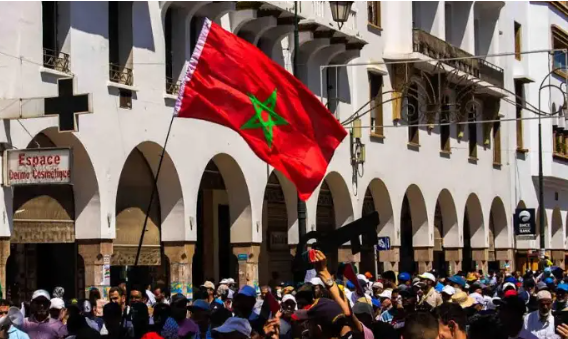
Several protests took place recently in Morocco in response to the skyrocketing prices concerning food commodities and basic goods.
Protesters in cities such as Tangier held banners and slogans, calling on the government to shoulder its responsibility in the situation and find concrete measures to solve the persistent distressing issues and social disparities.
Prices of some basic goods, such as red meat jumped to reach MAD 95 ($9) and MAD 100 ($9.7). A half kilogram of ground meat now costs MAD 55 ($5.34) instead of the previous price which ranged between MAD 40 ($3.9) and MAD 45 ($4.37).
Prices of vegetables are also a source of concern for many. Tomato prices reached over MAD 12 ($1.2) in some provinces while potato and onions prices reached over MAD 10 ($0.97).
Concerns have been mounting amid the recent news as Ramadan is just around the corner.
In Ramadan, Muslims fast from dust to dawn. During breakfast, Moroccans consume products that are highly affected by the increases, including vegetables, and milk among others.
For example, the majority of Moroccans serve harira (soup), which requires tomato as one of the main ingredients.
Ramadan is expected to start on March 23 in Morocco.
In response to the concerns, the government is pledging more measures and visits to assess and inspect food prices, vowing to take legal action against anyone manipulating the market.


