
 Join on WhatsApp
 Join on Telegram
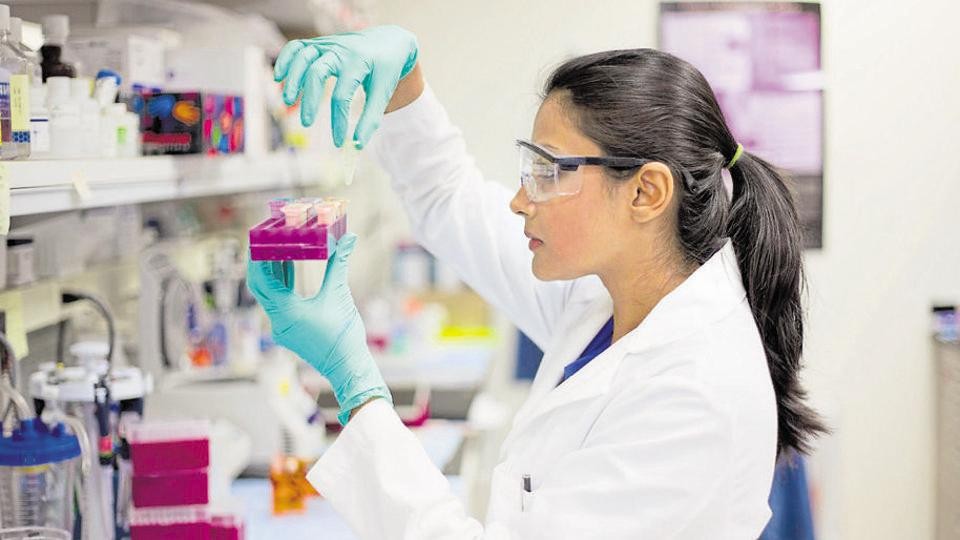
Rabat – The United States’ Diplomatic Mission to Morocco announced on Friday launching the the #She_Is_A_Scientist campaign, with the aim of highlighting the achievements of Moroccan women and girls in the STEM field.
The campaign “celebrates the accomplishments of incredibly talented Moroccan women and girls working in STEM (science, technology, engineering, and mathematics), who participated in American exchange programs,” indicated the US Embassy in Morocco in a press release.
The initiative is part of efforts aiming to “accelerate the movement to recognize, highlight, and celebrate the past, present, and future achievements” of women in STEM in Morocco and elsewhere.
The “Girlz for Impact Days” initiative will take place across Morocco between March 8 and 20, as a “core component” of the #She_Is_A_Scientist campaign.
The initiative will serve as a “concrete opportunity” to encourage Moroccan women and girls to pursue careers in the fields of science and technology, which are heavily male-dominated, added the press release.
It emphasized Morocco and the United States’ shared commitment to creating a world where “all women and girls, everywhere, can contribute to and benefit from economic growth and global prosperity.”
Read also: Rate of Women Engineering Graduates in Morocco Among Highest Worldwide
Likewise, the US Ambassador to Morocco Puneet Talwar emphasized the importance of encouraging women’s inclusion in the STEM fields. “Through education and careers in the fields of science, technology, engineers, and mathematics, Moroccan women contribute to the economic prosperity and innovation of their society,” he said.
The initiative comes as lingering stereotypes about gender roles continue to hinder women’s professional advancement in some sectors associated with men.
Even though women represent 50% of graduates in STEM fields in the Middle East and North Africa (MENA) region, the energy sector in the region remains male dominated by over 90%, the World Bank indicated in a recent report.
The World Bank attributed the overwhelming gender gap in some sectors to “restrictive norms, legal barriers that reinforce gender stereotypes, and occupation segregation.”