


 Join on WhatsApp
  Join on Telegram
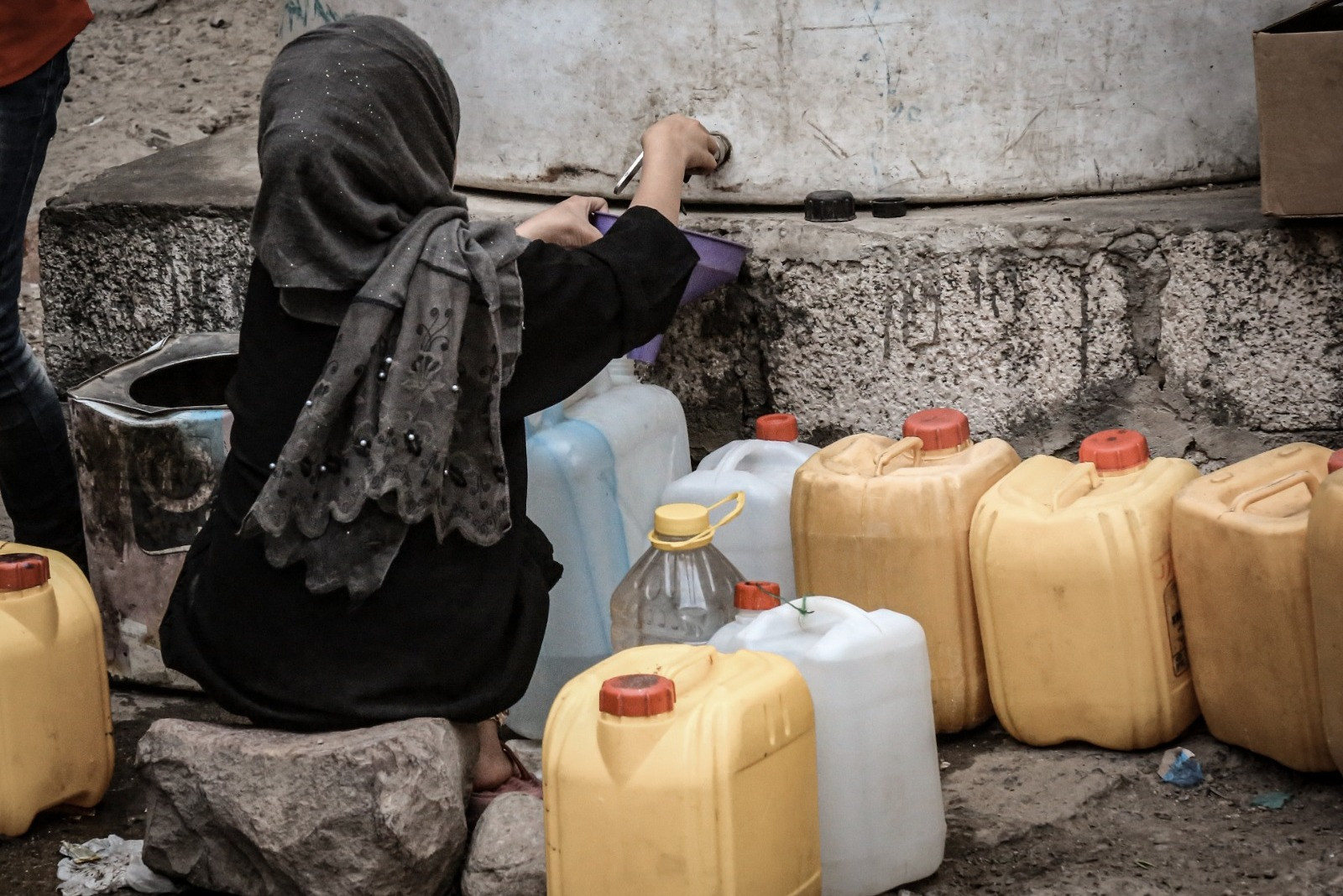
 Rabat – A recent report by the World Bank highlighted the “unprecedented” water scarcity challenges currently facing the Middle East and North Africa (MENA) region due to climate change.
Titled “The Economics of Water Scarcity in the Middle East and North Africa,” the report called for urgent action to tackle these issues, recommending a series of “promising” institutional policy reforms to better manage water resources.
Two major obstacles that need to be addressed are “lack of trust and [the issue of] legitimacy,” the report highlighted, explaining that people in the region believe it is the government’s responsibility to keep water prices low. Meanwhile, governments are hesitant to raise tariffs for fear of triggering protests.
To overcome these challenges, the report suggests giving more power to locally representative governments to make decisions about water allocation, arguing that it could “lend legitimacy to difficult trade-offs in the use of water, compared to top-down directives from central ministries.”
In addition, the report recommends granting more autonomy to utilities to communicate tariff changes to customers, saying it could lead to better compliance with tariff structures, thus reducing the risk of public unrest.
The World Bank also noted that management reforms in utilities could enhance trust in government agencies to manage long-term financing for water infrastructure. According to the report, this can be done by “delivering reliable services, reducing waste and leakages, and generating revenues to service long-term debt.”
Read also: Morocco’s Water-Intensive Crops Industry Faces Questions Amid Water Shortages
To ensure the success of these institutional reforms, the report recommends better communication about water scarcity and national water strategies. It gave the example of how “strategic communication efforts” in countries like Brazil and South Africa complemented reforms aimed at reducing water use.
One of the examples was Cape Town, where the locally elected city government shared a “water dashboard” which provided weekly updates on total water usage in the city. Such transparency “persuaded residents of the urgency and made them more likely to comply with restrictions,” underlined the report.
By 2030, water scarcity will become even more acute in the MENA region as the population grows, the report warned, noting that water shortages will have a “detrimental impact on livelihoods and agricultural output and may raise tensions among users.”


