 Join on WhatsApp
 Join on Telegram
Every year, Saudi Arabia welcomes millions of pilgrims who come to perform Hajj, a yearly pilgrimage that every Muslim has to do at least once if they are able to.
According to the Ministry of Hajj and Umrah, Saudi Arabia is expected to host around two million pilgrims this year — a return to normal numbers after three years of restricted visitor numbers due to the COVID-19 pandemic.
“The number of pilgrims in the Hajj 1444 AH season will return to what they were before the Corona pandemic, without conditions on age,” the Minister of Hajj and Umrah, Tawfiq Al-Rabiah, said.
However, a return to normalcy means taking more precautionary measures to best accommodate “the guests of Allah.”
Health measures
As part of the country’s hygiene and health measures, pilgrims need to be vaccinated against COVID-19, meningitis, and seasonal influenza.
The minister emphasized how eager the Ministry and other organizations involved in the pilgrimage system are to offer the greatest medical and logistical assistance to all pilgrims in a way that ensures saving time and effort.
The “Nusuk” app is another service the country is offering pilgrims this year, an online platform that was created to aid pilgrims in making appointments for the different rituals (including Umrah permits and the visit to the grave of the prophet Mohammed PBUH).
Some new regulations have also made it possible to perform Umrah for all visa types, extended the Umrah visa period from 30 to 90 days, and lowered the price of complete insurance.
The Ministry of Health has urged governments in pilgrims’ home countries to take into account applicants’ physical condition and overall health. It also promoted taking into account the increased risk of infectious diseases for the elderly and those suffering from serious chronic illnesses such as cancer, heart, pulmonary, liver, or renal disease.
Anybody traveling to the Hajj locations such as Mecca, Medina, Jeddah, and Ta’if who has a chronic illness is required to provide documentation of their health status, list all medications they take, and bring enough of those medications in their original packaging.
It is advised that pilgrims renew their immunizations against preventable diseases like measles, varicella, mumps, and polio.
The Ministry of Health has also stipulated several conditions for the medical missions traveling with pilgrims.
They must have at least one doctor for every 1,000 pilgrims, an active, all-inclusive Hajj-season medical waste contract with a recognized local business and they must use authorized reporting procedures to notify Saudi Arabian health authorities of any notifiable infectious diseases.
Moreover, the accompanying physicians should consist of at least 20% public health specialists, and clinics should provide at least one isolation room for infectious diseases that complies with Saudi Arabia’s guidelines.
Strict security
Starting mid-May, according to Arabian Business, citizens who do not possess entry permits –either resident’s permits issued in Mecca, or Umrah and Hajj permits– will be turned away from security checkpoints on routes going to Mecca.
As the Hajj season approaches, the General Directorate of Public Security is putting the restriction in place as part of its attempts to control admission into the Holy Capital.
To enter the holy city, locals must receive a permit from the relevant authorities. The goal is to guarantee the safety and security of everyone taking part in the Hajj season.
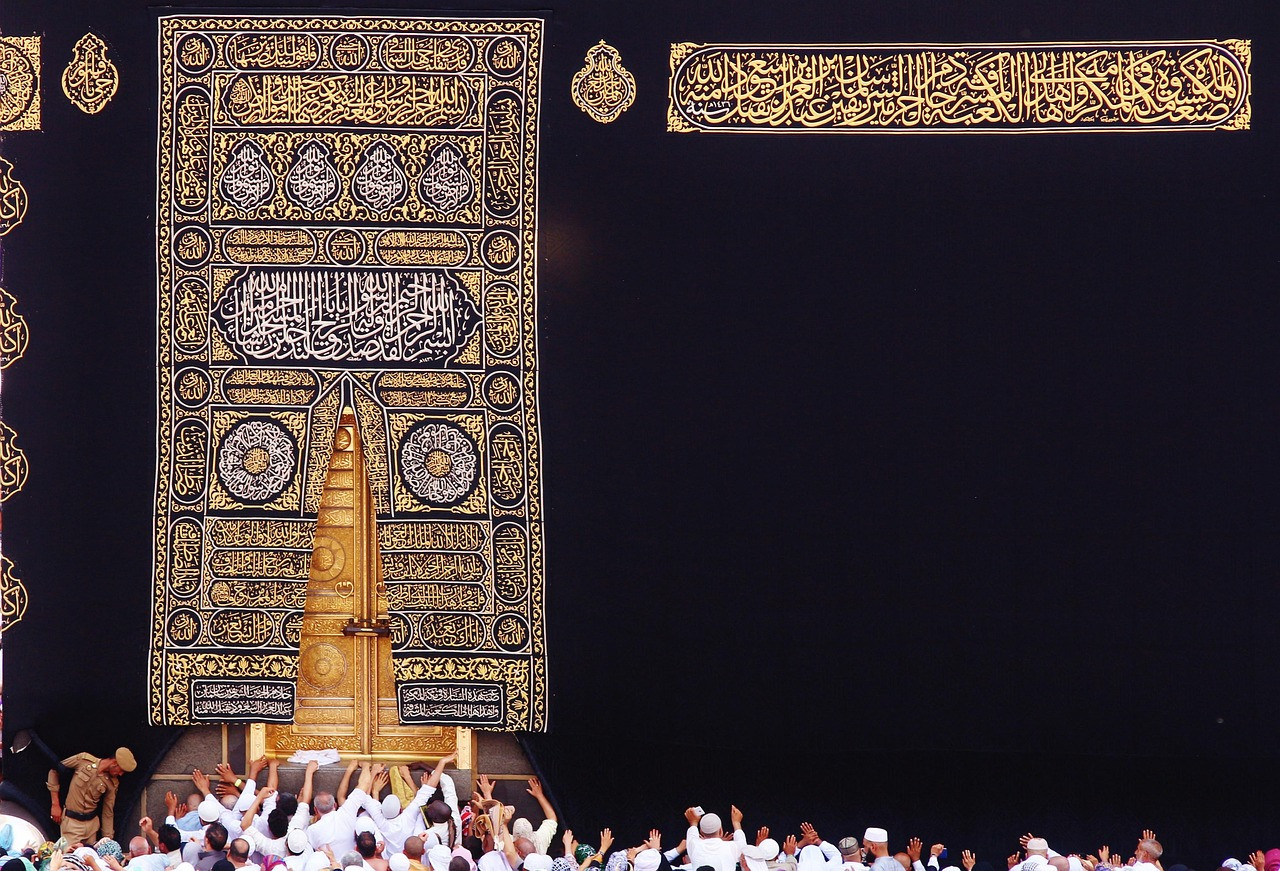
Moreover, once in Mecca, only Muhrimeen, people wearing Ihram, are allowed inside the Mataf area which houses the Kaaba.
Ihram refers to the two white clothes that men wear when performing Umrah or Hajj rituals.
Local authorities have put several checkpoints in the different gates of Mecca’s Masjid al-Haram, also known as the Grand Mosque, to ensure that only people performing Umrah or Hajj are allowed inside; guards may ask pilgrims to show their visas or Umrah permits extracted from Nusuk app.
The aim of the measures is to avoid crowds inside the holy mosque, especially during religious holidays that see a noticeable increase in the number of pilgrims such as Ramadan, Mawlid, and the Hajj period.
It is also worth mentioning that Saudi Arabia started digitizing visa applications in 2019 in accordance with the country’s “Saudi Vision 2030.”