 Join on WhatsApp
 Join on Telegram
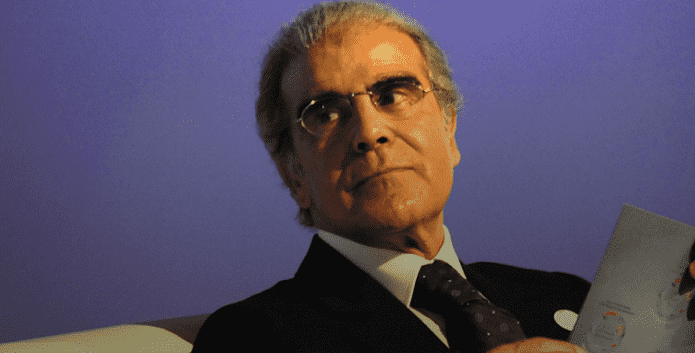
Rabat – Developing human capital should remain a top priority within Morocco’s strategy for socio-economic development, the country’s Central Bank Governor Abdellatif Jouahri said on Saturday.
While presenting the annual report on Morocco’s economic situation to King Mohammed VI, Jouahri underscored that the country has already embarked on two focal projects to develop human capital, mainly extending the social protection net to the underserved in 2021, and the education reform.
Noting the country’s overall economic development, Jouahri pointed out that amid the difficult global context and a particularly severe drought, economic growth dropped to 1.3% in 2022, after the impressive post-COVID rebound of 8% in 2021.
He also pointed out that despite these unfavorable conditions and the efforts the state made to mitigate the impact of rising prices on households and businesses, the situation of public finances continued to improve, with the budget deficit falling to 5.2% of GDP.
In terms of foreign trade, the Wali of Bank Al-Maghrib emphasized that the momentum observed in 2021 had continued, supported by a remarkable performance from Morocco’s world trades and the phosphate sector.
Travel revenues reached a record level, and the exceptional flow of remittances from Moroccans living abroad was maintained. These developments enabled the current account deficit to be contained at 3.5% of GDP, and Bank Al-Maghrib’s official reserve assets strengthened to the equivalent of 5.5 months’ imports.
According to the central bank governor, Morocco, like most countries in the world, was not spared the sharp rise in inflationary pressures that marked the year.
After averaging no more than 1.5% over the past 20 years, inflation reached 6.6% in 2022, its highest level since 1992.
Responding to the situation, Bank Al-Maghrib tightened its monetary policy to weather inflation. It raised its key rate to 2.5% by the end of the year.
At the same time, the central bank ensured adequate financing for the economy and continued to meet all banks’ requests for liquidity. It also continued to implement its programs dedicated to Small and Medium-Sized Businesses (SMEs).
Read Also: Morocco’s Central Bank: Inflation To Remain Elevated in 2023 at 5.5%