
 Join on WhatsApp
 Join on Telegram
Rabat – The Moroccan government has officially approved a decree increasing the legal minimum wage for workers in agricultural and non-agricultural sectors, SNRT news reported earlier today, adding that the increase will take effect starting this month.
This second increase in the minimum wage is set at 5%, based on an agreement reached between the government, central labor unions, and the General Confederation of Moroccan Enterprises. The agreement covers the period between 2022 and 2024.
According to the agreement, the minimum wage in the industrial, commercial, and service sectors will see a 10% increase over two years.
In addition, the agreement aims to unify the minimum wage across various sectors, including industry, commerce, freelancing, and agriculture.
The first increase, implemented in September 2022, saw a 5% rise in the minimum wage for the industrial, commercial, and freelancing sectors, while the agricultural sector saw a 10% increase.
The newly approved increase will push the hourly minimum wage from MAD 15.55 ($1.52) to MAD 16.3 ($1.59) in industry, commerce, and services. The monthly minimum wage will thus rise from the current MAD 2,990 dirhams to MAD 3,111.39.
Read also: CNSS Report: High Numbers of Moroccan Workers Earn Below Minimum Wage
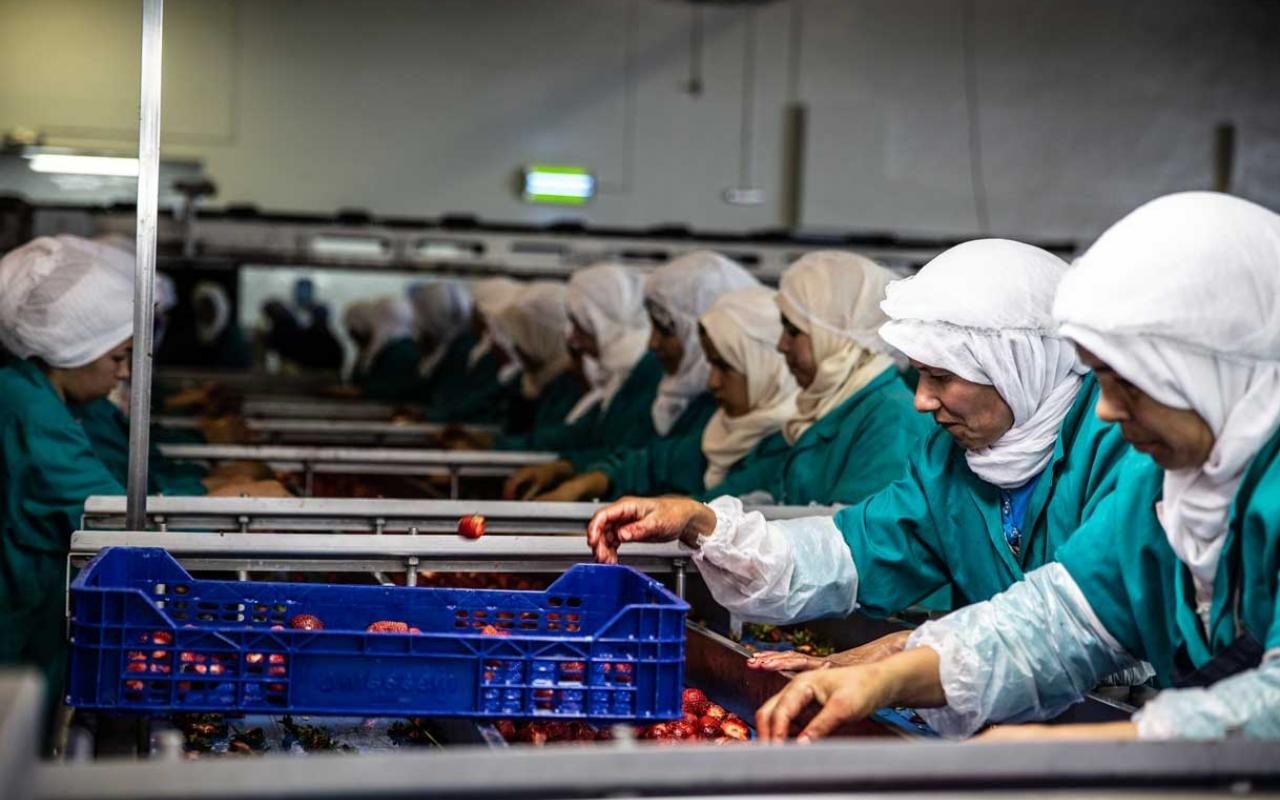
Meanwhile, the daily minimum wage in agriculture will increase from MAD 84.37 ($8.25) to MAD 88.58 ($8.6), reaching MAD 2,303.08 per month.
Speaking during a press conference earlier this month, the President of the General Confederation of Moroccan Enterprises Shakib Lahlou confirmed that businesses will implement the second wage increase in September, as decided by the government.
The increase in minimum wage comes at a time when Morocco is grappling with a soaring inflation rate, which reached 5% in late August, following a 4.9% rate in July.
This concerning economic trend has significantly impacted the cost of living for the average citizen, making it increasingly difficult for Moroccans to afford basic goods, especially essentials like vegetables.
The rising cost of food, highlighted by a substantial 10.4% surge in food prices over the first eight months of 2023, has placed immense strain on household budgets.