
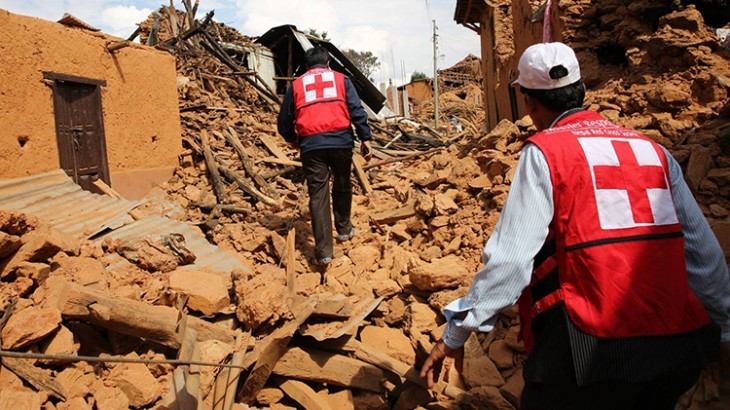
Rabat – In the aftermath of Morocco’s devastating 6.8 magnitude earthquake, a blend of international, non-governmental, and local aid has been vital in recovering fatalities and providing necessities to those affected.
Several Moroccan organizations quickly jumped into action working alongside communities to stockpile as much material as possible, provide rescue workers, and work alongside authorities in recovery.
Non-governmental organizations like A’Saffa Association based out of Rabat have utilized their long-standing establishment to aid in the effects of the earthquake.
Established by Jamal Hosseini, the focus of the organization has been in focusing on youth and orphans in need. In response to the earthquake, they have worked to collect donations of any kind; material or more.
A spokesperson for the organization who wished to remain anonymous said, “Frankly, we were surprised by the size of solidarity between the Moroccan people.”
The association is continuing to work in providing aid and all kinds of assistance from medical, material, and psychological. Donations can be made by contacting the organization directly.
International aid continues to pour into Rabat, with countries from nearly every region of the world having expressed condolences and pledging assistance, fundraisers have been set up and specialized forces have been mobilized.
Islamic Relief USA, an organization experienced in international aid in the MENA region, has stated that staff are in Morocco working alongside non-governmental organizations and authorities
Convoy of Hope, based out of the United States, has also utilized their years-long presence in Morocco to assess the damage and respond with material aid.
Read also: Foreign Countries Offer Solidarity for Morocco’s Earthquake Victims
Moroccan authorities continue to lead in the aid efforts in and around Marrakech, apparent in the sheer numbers of auxiliary services and Royal Gendarmerie personnel present in Tijghicht.
Located between Tagadirte and Ighermane in the High Atlas mountains, the small village lost 81 lives out of their population of 370. The majority of the village is destroyed and hastily-made graves are marked by small boulders.
Speaking with survivors who lost their families and homes, they are desperate for proper shelter.
Current aid in Tijghicht is primarily protective tents, truckloads of food, water, and bedding, and official personnel to facilitate and organize the distribution of aid as well as to provide a sense of security.
However, the theme remains the same in all levels of aid; shelter is now the priority. The main concern with these rural villages is the cold nights and tough rains.
So far, the official death toll of the earthquake stands at over 2,900 victims, with over 5,000 others having sustained injuries of varying severities. The number is still expected to rise as rescue operations continue.